


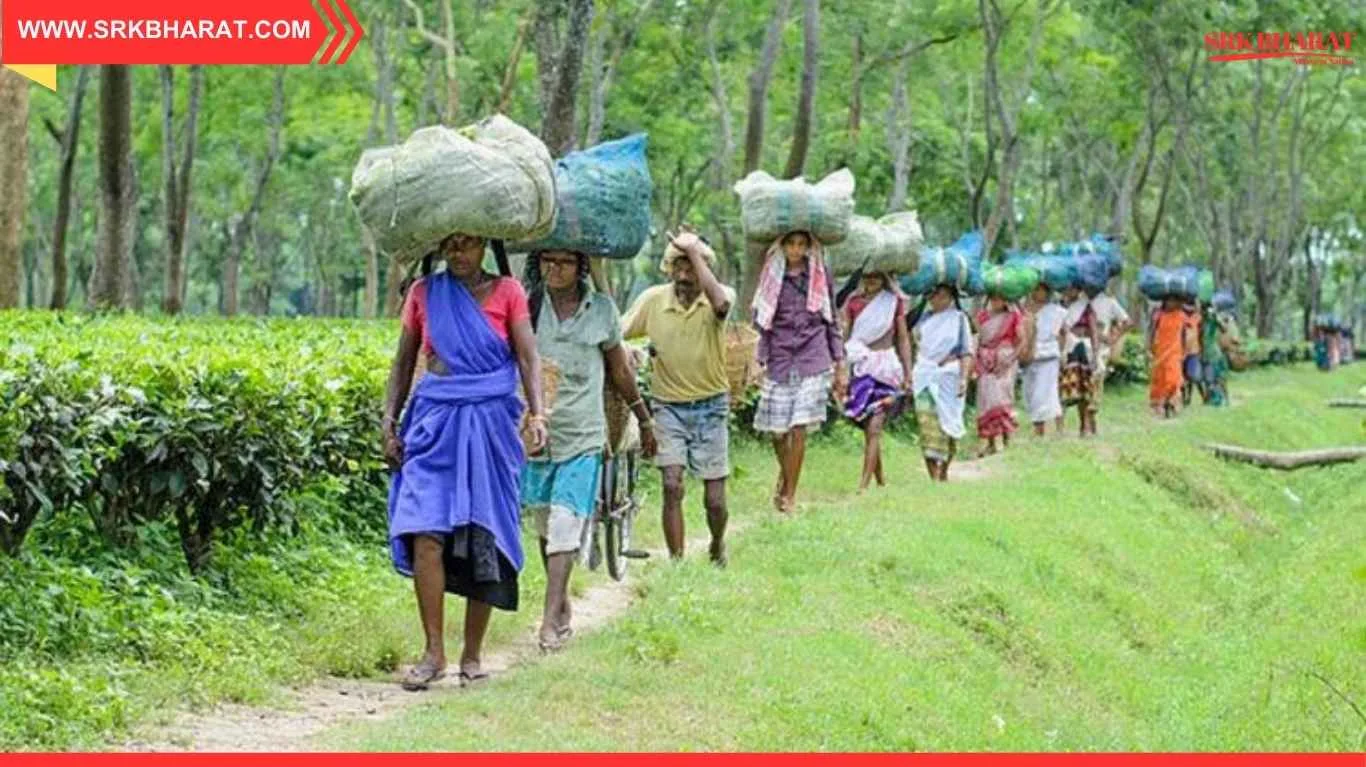
A major delegation representing tea garden workers has raised serious concerns about long‑standing neglect, poor living conditions, and lack of welfare measures in Assam’s tea estates during a meeting with Jharkhand Chief Minister Champai Soren. The workers’ body highlighted that despite decades of contribution to India’s tea industry, lakhs of labourers continue to face systemic deprivation, inadequate wages, and limited access to healthcare, education, and basic amenities.
The meeting, held in Ranchi, brought together representatives from various tea worker unions, social organisations, and community leaders. They urged the Jharkhand government to intervene diplomatically and politically, given that a large section of Assam’s tea garden population traces its ancestry to tribal communities originally brought from regions that now form Jharkhand, Odisha, Chhattisgarh, and West Bengal.
The delegation emphasised that the tea tribes—often referred to as Adivasi or “tea garden communities”—have been historically marginalised and continue to live in conditions that fall far below national development standards. Their concerns ranged from low daily wages to lack of land rights, poor housing, unsafe working conditions, and limited political representation.
🌱 Why the Meeting Matters: A Historical and Social Context
The tea garden communities of Assam have a unique history. Their ancestors were brought to Assam during the British colonial period to work in plantations under harsh conditions. Despite their contribution to making Assam one of the world’s largest tea producers, the community continues to face:
- Socio‑economic backwardness
- High poverty levels
- Poor literacy rates
- Limited access to government schemes
- Lack of political empowerment
The meeting with the Jharkhand CM marks a significant moment, as it signals growing inter‑state solidarity and recognition of the community’s struggles.
📊 Statistical Overview: Tea Garden Workers’ Conditions
| Category | Current Situation |
|---|---|
| Daily Wages | Among the lowest in India |
| Literacy Rate | Below state average |
| Housing | Mostly kutcha structures |
| Healthcare Access | Limited, often inadequate |
| Land Ownership | Very low |
| Political Representation | Minimal |
🔍 Key Issues Raised by the Workers’ Body
| Issue | Impact on Workers | Impact on Families | Long‑Term Consequences |
|---|---|---|---|
| Low Wages | Financial insecurity | Poor nutrition, debt | Inter‑generational poverty |
| Lack of Healthcare | High disease burden | Maternal & child health risks | Reduced life expectancy |
| Poor Housing | Unsafe living conditions | Vulnerability to disasters | Social instability |
| Education Gaps | Low literacy | Limited career options | Continued marginalisation |
| No Land Rights | No security | No asset creation | Perpetual dependency |
🧭 Key Concerns Highlighted During the Meeting
1. Wage Disparities and Economic Hardship
The workers’ body pointed out that tea garden labourers in Assam earn significantly less than workers in other agricultural and industrial sectors. Despite periodic wage revisions, the increase has not kept pace with inflation or living costs.
2. Poor Healthcare Infrastructure
Many tea estates lack functional hospitals or trained medical staff. Workers often rely on outdated dispensaries, leading to high rates of anaemia, malnutrition, and preventable diseases.
3. Lack of Educational Opportunities
Schools in tea garden areas often suffer from teacher shortages, poor infrastructure, and high dropout rates. Children frequently join plantation work early due to economic pressure.
4. Housing and Sanitation Issues
Most workers live in old, dilapidated quarters built during the colonial era. Sanitation facilities are inadequate, increasing the risk of disease outbreaks.
5. Absence of Land Rights
Workers have lived on tea estates for generations but do not own the land they live on. This lack of ownership prevents them from accessing housing schemes or building permanent homes.
6. Social and Political Neglect
The delegation argued that despite being a major vote bank, tea garden communities receive limited attention from policymakers.
🏛️ Jharkhand CM’s Response: A Promise of Support
Jharkhand Chief Minister Champai Soren assured the delegation that his government would:
- Raise the issue with the Assam government
- Advocate for better welfare measures
- Explore inter‑state coordination for tribal rights
- Support the community through cultural and social initiatives
He acknowledged the historical ties between Jharkhand’s tribal communities and Assam’s tea tribes, stating that their welfare is a shared responsibility.
🌐 Why Jharkhand’s Involvement Is Significant
Many tea garden workers in Assam trace their roots to tribal communities from Jharkhand. Over generations, they have maintained cultural ties, and issues affecting them resonate deeply in Jharkhand’s socio‑political landscape.
Jharkhand’s involvement could lead to:
- Stronger advocacy at the national level
- Better recognition of tea tribes as Scheduled Tribes (ST)
- Improved welfare schemes
- Greater political visibility
🧩 Challenges Faced by Tea Garden Workers in Assam
1. Structural Inequality
The plantation system continues to operate under colonial‑era labour practices.
2. Limited Access to Government Schemes
Many workers lack documentation, preventing them from accessing welfare benefits.
3. Health Vulnerabilities
High rates of anaemia, malnutrition, and occupational hazards persist.
4. Gender Inequality
Women form a large part of the workforce but face wage discrimination and health risks.
5. Migration and Identity Issues
Many workers struggle with identity recognition due to their inter‑state origins.
🏥 Healthcare Crisis in Tea Gardens
Healthcare remains one of the most pressing issues. Workers reported:
- Lack of ambulances
- Shortage of doctors
- Poor maternal care
- High infant mortality
- Inadequate sanitation
These conditions have persisted for decades despite repeated demands for reform.
📚 Education: The Pathway Out of Poverty
The delegation stressed that improving education is key to breaking the cycle of poverty. They demanded:
- More government schools
- Better teacher recruitment
- Scholarships for tea tribe students
- Hostels for girls
- Skill development programs
Without educational upliftment, the community remains trapped in low‑income plantation work.
🏠 Housing and Land Rights: A Core Demand
Workers argued that without land rights, they remain vulnerable. They demanded:
- Land pattas for long‑term residents
- Inclusion in housing schemes
- Upgradation of existing quarters
Land ownership would allow families to build permanent homes and escape dependency.
🧭 What the Workers Want from Assam Government
1. Fair Wage Revision
2. Better Healthcare Facilities
3. Improved Education Infrastructure
4. Land Rights and Housing Support
5. Recognition as Scheduled Tribes
6. Stronger Implementation of Labour Laws
📝 Conclusion
The meeting between the tea garden workers’ body and Jharkhand Chief Minister Champai Soren has brought renewed attention to the systemic neglect faced by Assam’s tea garden communities. Their demands highlight deep‑rooted issues that require urgent policy intervention, inter‑state cooperation, and political will.
As one of India’s most historically marginalised communities, tea garden workers continue to fight for dignity, fair wages, and basic human rights. The hope now is that this meeting will catalyse meaningful action and bring long‑overdue reforms to Assam’s tea estates.
🛡️ Disclaimer
This article is based on publicly available information, community statements, and verified reports. It is intended solely for informational and editorial purposes, offering insights into the concerns raised by tea garden workers and the socio‑political implications of their meeting with the Jharkhand Chief Minister.