


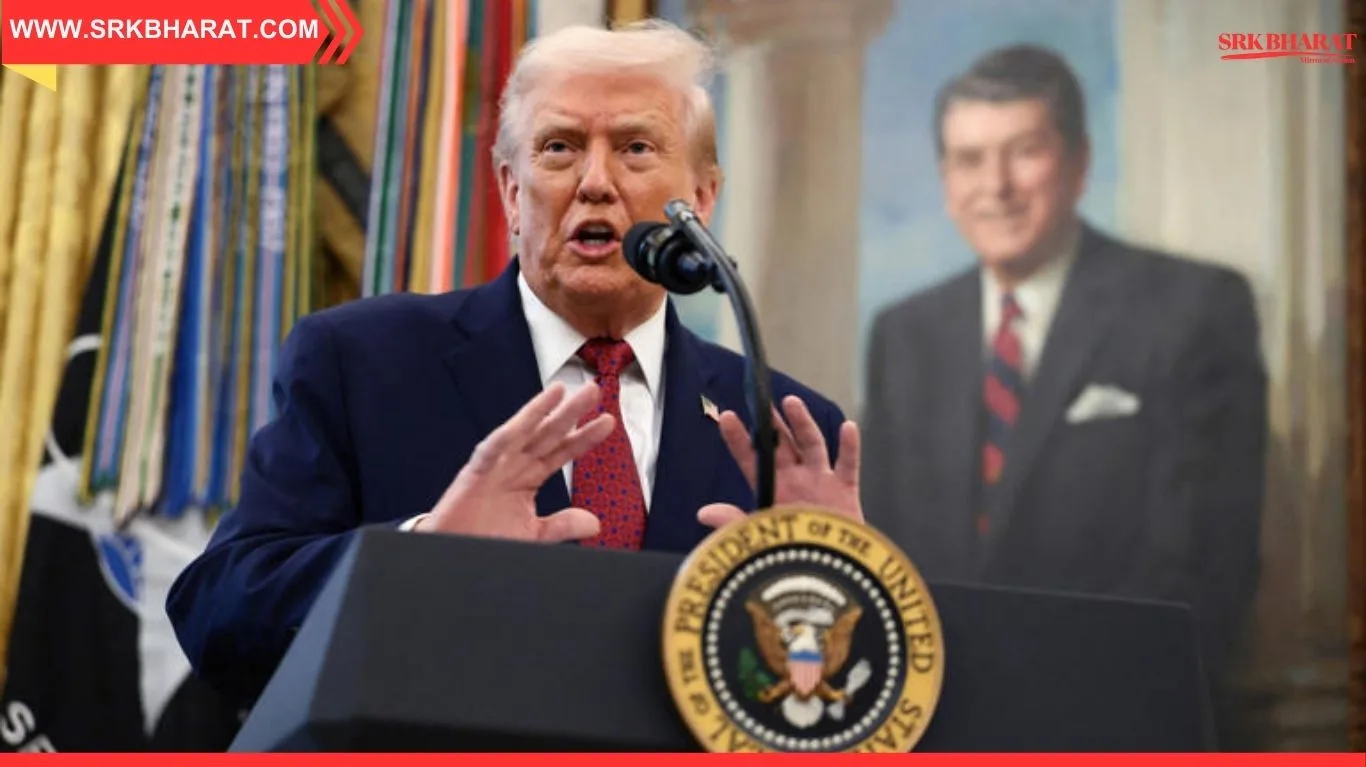
In a dramatic legal move, U.S. President Donald Trump has filed a lawsuit against the British Broadcasting Corporation (BBC), alleging that the broadcaster deliberately edited portions of his January 6 speech in a way that misrepresented his words and intentions. The lawsuit, filed in a U.S. federal court, accuses the BBC of defamation, misrepresentation, and violation of journalistic ethics. This development has reignited debates about media accountability, freedom of speech, and the role of international broadcasters in covering sensitive political events.
Background of the Lawsuit
- The January 6 speech delivered by Trump in Washington, D.C., has been at the center of controversy since the Capitol riots.
- Trump claims that the BBC edited key sections of his speech, omitting lines where he called for peaceful protest and lawful conduct.
- According to the lawsuit, these edits created a misleading narrative that Trump incited violence.
- The BBC has yet to issue an official response, but the case has already drawn global attention.
Key Allegations in Trump’s Lawsuit
| Allegation | Details | Implication |
|---|---|---|
| Defamation | BBC edits portrayed Trump as inciting violence | Damaged reputation |
| Misrepresentation | Omitted calls for peace and lawful protest | Altered public perception |
| Ethical Violations | Breach of journalistic standards | Raises questions about media integrity |
| International Impact | Global audience misled | Affects diplomatic and political narratives |
Trump’s Legal Strategy
- The lawsuit seeks damages for reputational harm and demands a public correction from the BBC.
- Trump’s legal team argues that the edits were intentional and politically motivated.
- The case is expected to test the boundaries of international media accountability in U.S. courts.
- Legal experts suggest that proving intent will be central to the case.
BBC’s Position
- While the BBC has not issued a detailed response, insiders suggest the broadcaster will defend its editorial decisions as standard practice.
- The organization is likely to argue that its coverage was consistent with journalistic norms and did not misrepresent Trump’s speech.
- The case may force the BBC to disclose internal editorial processes, raising transparency issues.
Political Reactions
- Trump supporters: Applauded the lawsuit, claiming it exposes media bias.
- Opposition leaders: Criticized the move as an attempt to intimidate the press.
- Media watchdogs: Called for greater scrutiny of editorial practices in international coverage.
- Global observers: Noted that the case could set a precedent for cross-border media accountability.
Comparative Analysis of Media Lawsuits
| Case | Defendant | Outcome | Significance |
|---|---|---|---|
| Trump vs CNN | CNN | Pending | Focus on defamation |
| Sarah Palin vs NY Times | NYT | Dismissed | Highlighted difficulty of proving intent |
| Dominion vs Fox News | Fox News | Settlement | Landmark case on misinformation |
| Trump vs BBC | BBC | Ongoing | Tests international jurisdiction |
Implications for Media Accountability
- The lawsuit raises questions about how international broadcasters cover U.S. political events.
- It highlights the tension between editorial freedom and responsibility to present accurate narratives.
- If successful, the case could encourage more political figures to challenge foreign media organizations.
- The outcome may influence global standards for journalistic ethics.
Expert Opinions
- Legal analysts: Stress that proving defamation against a foreign broadcaster in U.S. courts will be complex.
- Media experts: Warn that the case could chill press freedom if broadcasters fear litigation.
- Political scientists: Note that the lawsuit reflects Trump’s broader strategy of challenging media narratives.
- Public sentiment: Divided, with supporters demanding accountability and critics warning of press intimidation.
Broader Context of January 6 Speech
- Trump’s January 6 speech has been scrutinized worldwide, with interpretations varying across political lines.
- Supporters argue he called for peaceful protest, while critics claim his rhetoric fueled unrest.
- The BBC’s coverage reached millions globally, shaping international perceptions of the event.
- The lawsuit underscores the lasting impact of media narratives on political legacies.
Challenges Ahead
- Jurisdictional Issues: U.S. courts must determine authority over a foreign broadcaster.
- Proof of Intent: Trump’s team must show edits were deliberate and malicious.
- Media Freedom Concerns: Case could be seen as an attack on press independence.
- Public Perception: Outcome will influence how Trump’s legacy is viewed globally.
Lessons for Media and Politics
- Accuracy is critical: Editing must preserve context to avoid misrepresentation.
- Transparency matters: Editorial processes should be clear to maintain trust.
- Legal risks are rising: Politicians increasingly challenge media narratives in court.
- Global accountability: International broadcasters must consider cross-border implications of coverage.
Conclusion
The lawsuit filed by Donald Trump against the BBC over alleged editing of his January 6 speech marks a significant moment in the intersection of politics, media, and law. As the case unfolds, it will test the boundaries of international media accountability, raise questions about journalistic ethics, and influence global perceptions of press freedom. Whether the lawsuit succeeds or not, it underscores the enduring power of media narratives in shaping political legacies and the growing willingness of leaders to challenge them in court.
Disclaimer
This article is intended for informational purposes only and does not constitute legal advice. Lawsuits and judicial outcomes are subject to change based on evolving circumstances, court decisions, and legal strategies. Readers are encouraged to follow official updates for accurate information. The author and publisher are not responsible for any decisions made based on this article.