



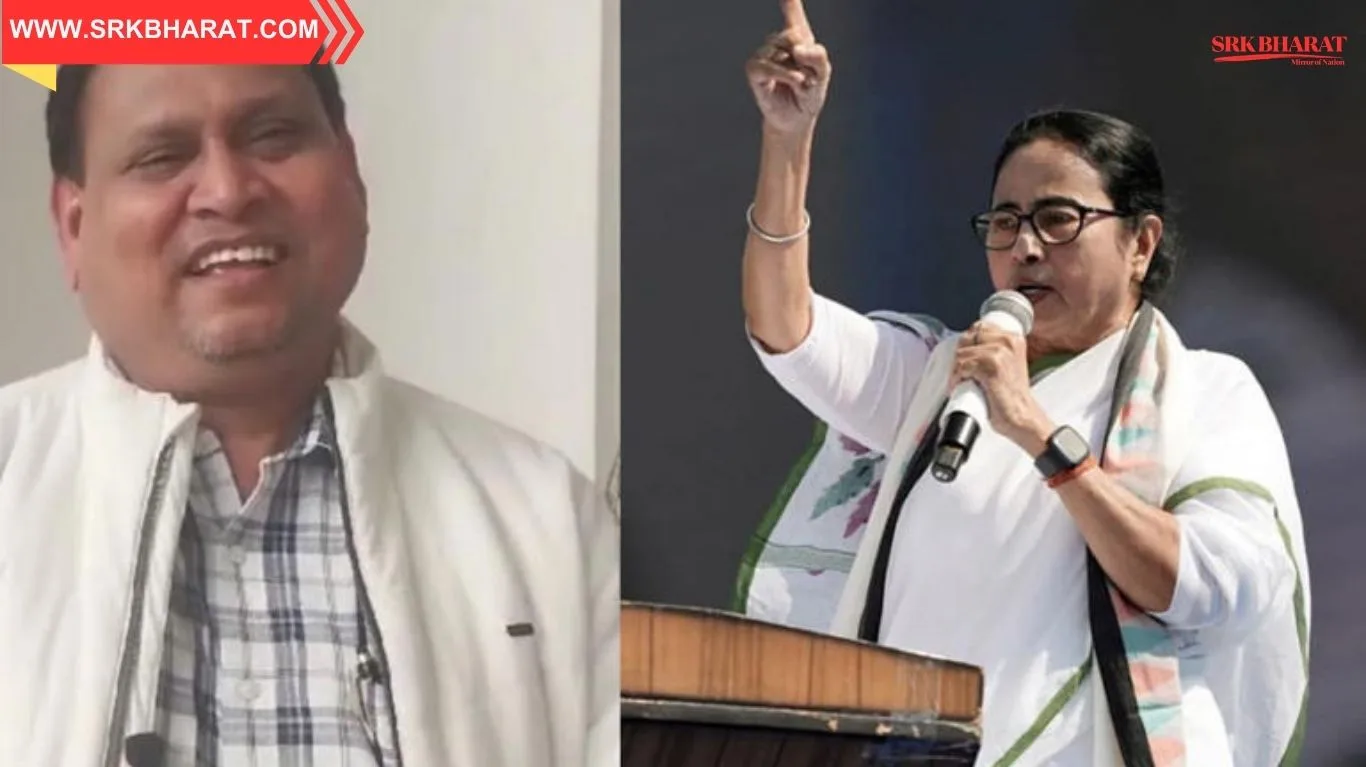
A former leader of the Trinamool Congress (TMC) has made headlines by declaring that West Bengal Chief Minister Mamata Banerjee is “no longer the person I knew.” The remark has sparked political debates across the state, raising questions about Mamata’s leadership style, her evolving political strategies, and the growing discontent among some of her former colleagues.
Background of the Statement
- Mamata Banerjee, the founder of the Trinamool Congress, has been a dominant force in West Bengal politics for decades.
- Known for her grassroots activism and fiery speeches, she rose to prominence by challenging the Left Front and later positioning herself as a national figure.
- Over the years, several leaders have left the TMC, citing differences with Mamata’s leadership style.
- The latest remark by an ex-leader underscores the perception that Mamata’s political persona has changed significantly since her early days.
Key Highlights of the Remark
| Indicator | Details |
|---|---|
| Speaker | Former Trinamool Congress leader |
| Subject | Mamata Banerjee |
| Core Statement | “No longer the person I knew” |
| Context | Discontent over leadership style |
| Political Impact | Renewed debates on Mamata’s evolution |
Mamata Banerjee Then vs Now
| Factor | Early Mamata | Current Mamata | Implication |
|---|---|---|---|
| Leadership Style | Grassroots activist, accessible | Centralized, authoritative | Perceived distance from cadre |
| Political Strategy | Anti-establishment, populist | National ambitions, broader alliances | Shift in priorities |
| Public Image | Fighter for common people | Established leader, pragmatic | Mixed reactions |
| Party Dynamics | Inclusive, consultative | Tight control, selective trust | Internal dissent |
Why This Statement Matters
- Political Symbolism: Highlights the transformation of Mamata’s leadership over time.
- Internal Dissent: Reflects growing dissatisfaction among former and current party members.
- Public Perception: Shapes how voters view Mamata’s evolution from activist to seasoned politician.
- Opposition Strategy: Provides ammunition for rival parties to question her credibility.
Mamata Banerjee’s Political Journey
| Attribute | Details |
|---|---|
| Early Career | Rose through Congress ranks, founded TMC in 1998 |
| Breakthrough | Defeated Left Front in 2011, ending 34 years of rule |
| Governance Style | Populist schemes, welfare focus |
| National Role | Key opposition voice against central government |
| Current Challenges | Managing dissent, balancing state and national ambitions |
Mamata’s journey reflects a shift from grassroots activism to pragmatic governance, a transformation that has drawn both praise and criticism.
Expert Opinions
- Political Analysts: Note that Mamata’s evolution is natural for leaders who transition from activism to governance.
- Opposition Leaders: Use the remark to highlight alleged authoritarian tendencies within TMC.
- Supporters: Argue that Mamata remains committed to people’s welfare despite changes in style.
- Neutral Observers: Suggest that leadership transformations often create friction with long-time associates.
Challenges Ahead for Mamata Banerjee
- Managing Dissent: Addressing grievances of former and current party members.
- Public Perception: Balancing her image as a grassroots leader with her role as a national figure.
- Opposition Pressure: Countering narratives that question her credibility.
- Party Cohesion: Ensuring unity within TMC amid defections and criticism.
Opportunities for Mamata
- Reinvention: Use criticism as a chance to reconnect with grassroots supporters.
- National Ambitions: Position herself as a key opposition leader in national politics.
- Policy Focus: Strengthen welfare schemes to reinforce her populist image.
- Party Renewal: Encourage younger leaders to take more responsibility.
Broader Context of West Bengal Politics
- West Bengal’s political landscape remains polarized between TMC, BJP, and Left-Congress alliances.
- Mamata’s leadership continues to be the central factor in state politics.
- Remarks from ex-leaders reflect broader tensions within TMC as it adapts to changing political realities.
- The state’s future political trajectory will depend on how Mamata manages dissent and balances her dual role as state leader and national figure.
Public Sentiment
- Supporters defend Mamata, arguing that leadership changes are necessary for governance.
- Critics amplify the remark, portraying her as disconnected from her original ideals.
- Neutral citizens express mixed feelings, acknowledging her achievements but questioning her current style.
- Overall sentiment reflects both admiration and skepticism.
Conclusion
The statement by a Trinamool ex-leader that Mamata Banerjee is “no longer the person I knew” has reignited debates about her leadership evolution. From grassroots activist to seasoned Chief Minister, Mamata’s transformation reflects the complexities of political leadership. While critics see her as increasingly authoritarian, supporters argue she remains committed to welfare and governance. The controversy underscores the challenges of balancing political ambition, party cohesion, and public perception in West Bengal’s dynamic political landscape.
Disclaimer
This article is intended for informational purposes only and does not constitute political or policy advice. Leadership remarks, party dynamics, and public perceptions are subject to change based on evolving circumstances. Readers are encouraged to follow official updates for accurate information. The author and publisher are not responsible for any decisions made based on this article.