





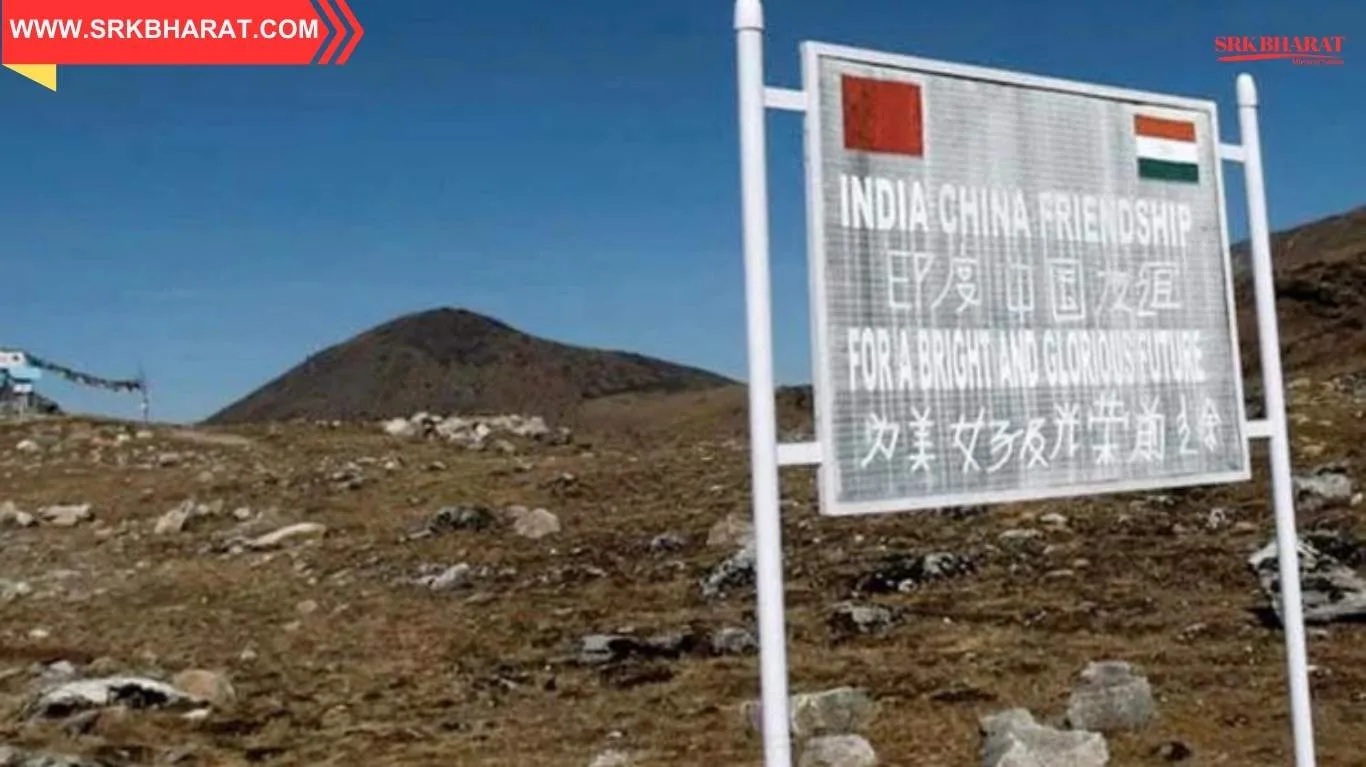
In a significant geopolitical development, China has elevated its claim over Arunachal Pradesh to the level of a “core interest”, a designation previously reserved for issues such as Taiwan, Tibet, and the South China Sea. This move has triggered alarm in New Delhi and Washington, with the United States warning that Arunachal could become a new flashpoint in India-China relations. The development underscores the growing complexity of Asian geopolitics, where territorial disputes, strategic ambitions, and global power rivalries intersect.
Background of the Arunachal Dispute
- Arunachal Pradesh, located in India’s northeast, has long been claimed by China as part of “South Tibet.”
- India firmly rejects these claims, asserting Arunachal Pradesh as an integral part of its sovereign territory.
- The dispute has been a recurring source of tension, with frequent border skirmishes and diplomatic stand-offs.
- By elevating Arunachal to “core interest” status, China signals that it views the issue as non-negotiable, raising the stakes in bilateral relations.
Key Highlights of the Development
| Indicator | Details |
|---|---|
| Country Involved | China, India, United States |
| Issue | Arunachal Pradesh territorial claim |
| China’s Position | Elevated to “core interest” |
| India’s Response | Firm rejection, reiteration of sovereignty |
| US Warning | Potential new flashpoint in India-China ties |
Traditional Disputes vs Arunachal Elevation
| Factor | Traditional Disputes (Tibet, Taiwan, South China Sea) | Arunachal Pradesh Claim | Implication |
|---|---|---|---|
| China’s Stance | Non-negotiable “core interests” | Elevated to same status | Signals hardening position |
| India’s Position | Not directly involved | Sovereign territory | Direct confrontation |
| US Involvement | Strategic support for allies | Warning of flashpoint | Increased global attention |
| Regional Impact | Asia-Pacific tensions | South Asia instability | Expanded geopolitical rivalry |
Why This Matters
- Strategic Escalation: Elevating Arunachal to “core interest” signals China’s intent to harden its stance.
- India’s Sovereignty: The move directly challenges India’s territorial integrity.
- US Warning: Highlights the potential for Arunachal to become a global flashpoint, akin to Taiwan or the South China Sea.
- Regional Stability: Raises concerns about peace and security in South Asia.
India’s Position
| Attribute | Details |
|---|---|
| Sovereignty Claim | Arunachal Pradesh is an integral part of India |
| Diplomatic Response | Strong rejection of China’s claims |
| Military Preparedness | Strengthened border infrastructure and troop deployment |
| Strategic Partnerships | Deepening ties with US, Japan, and other allies |
| Long-Term Outlook | Continued vigilance and assertion of sovereignty |
India has consistently rejected China’s claims, emphasizing that Arunachal Pradesh is an inseparable part of its territory.
US Perspective
- The United States has warned that China’s move could create a new flashpoint in India-China ties.
- Washington views the elevation of Arunachal as part of China’s broader strategy to assert dominance in Asia.
- The US has reiterated support for India’s sovereignty, signaling closer strategic alignment between the two democracies.
- Analysts suggest that the US warning reflects concerns about regional stability and the potential for conflict escalation.
Challenges Ahead
- Border Tensions: Increased risk of skirmishes along the Line of Actual Control (LAC).
- Diplomatic Strain: Greater difficulty in resolving disputes through dialogue.
- Regional Alliances: Pressure on India to strengthen ties with Quad partners.
- Global Rivalry: Arunachal could become a focal point in US-China competition.
Opportunities for India
- Strengthening Alliances: Deepening strategic partnerships with the US, Japan, and Australia.
- Infrastructure Development: Accelerating projects in Arunachal to assert sovereignty.
- Diplomatic Engagement: Leveraging international forums to highlight China’s aggressive stance.
- Military Preparedness: Enhancing border security and defense capabilities.
Broader Context of Geopolitics
- China’s elevation of Arunachal reflects its broader strategy of asserting territorial claims.
- The move aligns with Beijing’s pattern of designating disputed regions as “core interests.”
- India’s firm rejection underscores the importance of sovereignty in South Asian geopolitics.
- The US warning highlights the interconnectedness of global power rivalries and regional disputes.
Public Sentiment
- In India, the move has sparked strong nationalist sentiment, with calls for greater vigilance.
- Citizens in Arunachal Pradesh express concern about security but reaffirm their identity as Indians.
- Global observers view the development as part of China’s assertive foreign policy.
- Social media discussions reflect growing anxiety about the potential for conflict escalation.
Conclusion
The elevation of Arunachal Pradesh to “core interest” status by China marks a significant escalation in India-China relations. With the United States warning of a new flashpoint, the dispute has moved beyond bilateral tensions to become a matter of global concern. For India, the challenge lies in balancing sovereignty, diplomacy, and strategic preparedness. For the world, the development underscores the fragile nature of regional stability in Asia, where territorial disputes can quickly evolve into global flashpoints.
Disclaimer
This article is intended for informational purposes only and does not constitute political or legal advice. Geopolitical positions, diplomatic strategies, and public sentiments are subject to change based on evolving circumstances. Readers are encouraged to follow official updates for accurate information. The author and publisher are not responsible for any decisions made based on this article.