




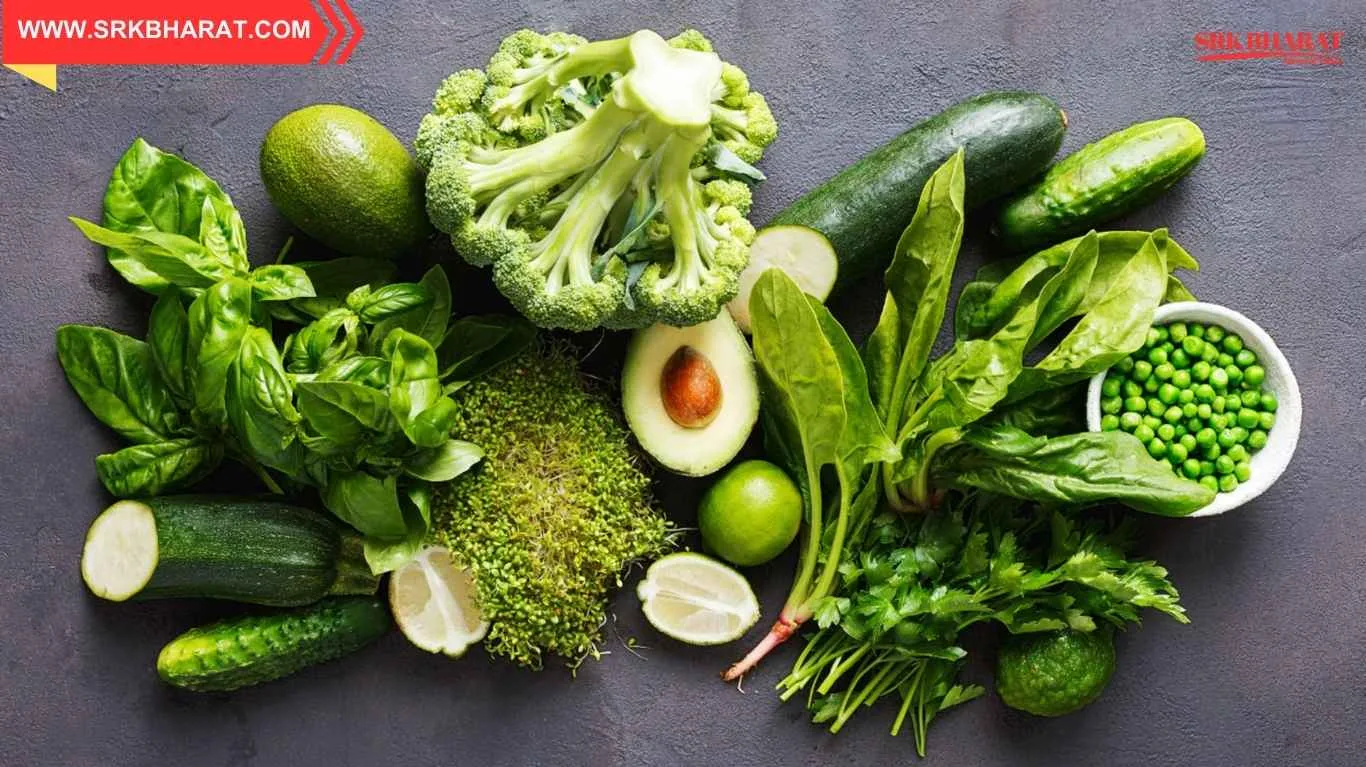
Protein is often associated with meat, eggs, or dairy, but winter vegetables can also be excellent sources of plant-based protein. As temperatures drop, our diets naturally shift toward warm, hearty meals, and including protein-rich vegetables can help maintain energy, support immunity, and aid muscle repair. Here’s a detailed look at eight winter vegetables that stand out for their protein content and nutritional value.
Why Protein-Rich Vegetables Matter in Winter
- Boosts immunity: Essential for fighting seasonal illnesses.
- Supports muscle health: Helps maintain strength during colder months when activity levels may drop.
- Balances diet: Complements grains, pulses, and dairy for complete nutrition.
- Eco-friendly option: Plant-based proteins reduce reliance on animal sources.
The 8 Winter Vegetables Highest in Protein
| Vegetable | Protein Content (per 100g approx.) | Other Nutrients | Health Benefits |
|---|---|---|---|
| Green Peas | 5 g | Fiber, Vitamin C, Vitamin K | Supports digestion, boosts immunity |
| Spinach | 2.9 g | Iron, Calcium, Vitamin A | Improves blood health, strengthens bones |
| Broccoli | 2.8 g | Vitamin C, Folate, Fiber | Anti-inflammatory, supports heart health |
| Brussels Sprouts | 3.4 g | Vitamin K, Vitamin C, Folate | Enhances bone health, aids immunity |
| Kale | 2.9 g | Vitamin A, Vitamin K, Antioxidants | Detoxifies body, supports eye health |
| Cauliflower | 1.9 g | Vitamin C, Fiber, Potassium | Aids digestion, supports weight management |
| Collard Greens | 3 g | Calcium, Vitamin K, Folate | Strengthens bones, supports cardiovascular health |
| Mustard Greens | 2.7 g | Vitamin A, Vitamin C, Fiber | Boosts immunity, aids detoxification |
Comparing Protein-Rich Winter Vegetables
| Factor | Highest Protein | Moderate Protein | Lower Protein |
|---|---|---|---|
| Protein Density | Green Peas, Brussels Sprouts | Spinach, Kale, Collard Greens | Cauliflower, Mustard Greens |
| Best for Immunity | Spinach, Mustard Greens | Broccoli, Kale | Cauliflower |
| Best for Digestion | Green Peas, Cauliflower | Collard Greens | Kale |
| Bone Health Support | Brussels Sprouts, Collard Greens | Spinach, Kale | Mustard Greens |
Detailed Nutritional Insights
- Green Peas: Among the richest plant-based protein sources, peas are versatile and can be added to soups, curries, or stir-fries.
- Spinach: Known for its iron content, spinach also provides a decent protein boost, making it ideal for vegetarians.
- Broccoli: A cruciferous vegetable that combines protein with antioxidants, supporting overall health.
- Brussels Sprouts: Small but mighty, they pack protein and vitamins, perfect for roasted winter dishes.
- Kale: A superfood rich in antioxidants and protein, often used in salads, soups, and smoothies.
- Cauliflower: While lower in protein, its versatility and fiber content make it a valuable winter vegetable.
- Collard Greens: Popular in traditional cuisines, collards provide protein along with calcium for bone strength.
- Mustard Greens: Known for their pungent flavor, they offer protein and detoxifying properties.
How to Incorporate These Vegetables
- Soups and Stews: Add peas, spinach, and kale for protein-rich warmth.
- Roasted Dishes: Brussels sprouts and cauliflower shine when roasted with spices.
- Curries and Stir-Fries: Mustard greens and collard greens add flavor and nutrition.
- Smoothies: Kale and spinach can be blended for a protein-packed drink.
Risks and Considerations
- Oxalates in Spinach and Kale: May affect calcium absorption; balance with other foods.
- Digestive Sensitivity: Cruciferous vegetables like broccoli and cauliflower may cause bloating in some individuals.
- Cooking Methods: Overcooking can reduce protein and nutrient content; steaming or light sautéing is recommended.
Conclusion
The 8 winter vegetables with the highest protein content—green peas, spinach, broccoli, Brussels sprouts, kale, cauliflower, collard greens, and mustard greens—are not only nutritious but also versatile in cooking. Including them in your winter diet ensures a steady supply of protein, vitamins, and minerals, supporting immunity, digestion, and overall health. By combining these vegetables with grains, pulses, or dairy, one can achieve a balanced and protein-rich diet during the colder months.
Disclaimer
This article is intended for informational purposes only and does not constitute dietary or medical advice. Nutritional values may vary depending on preparation methods and sources. Readers are encouraged to consult a healthcare professional or nutritionist for personalized guidance. The author and publisher are not responsible for any decisions made based on this article.