



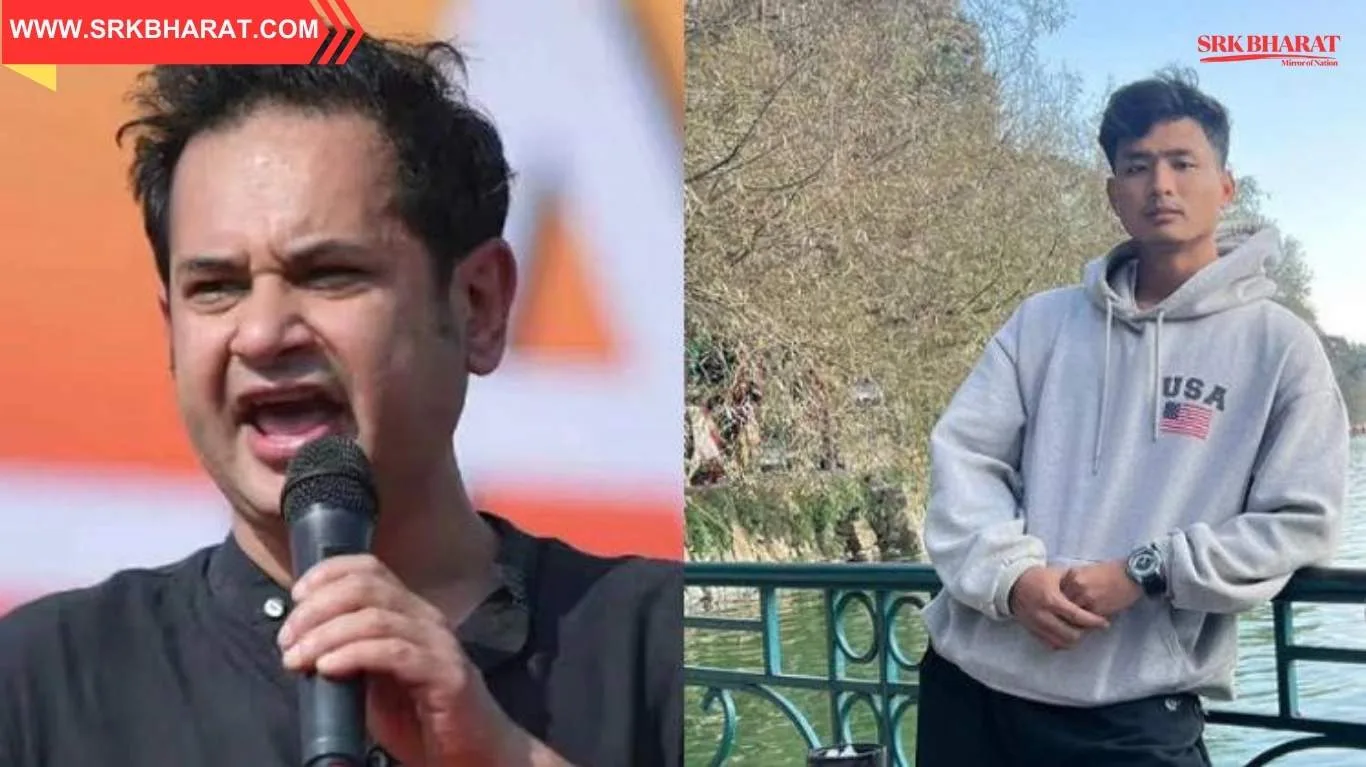
The tragic murder of Anjel Chakma, a young woman whose life was brutally cut short, has sparked outrage across India, particularly after the Uttarakhand government announced a reward of Rs 25,000 for information leading to the arrest of the accused. The announcement has been criticized as grossly inadequate, with political leader Pradyot Manikya Debbarma slamming the government and questioning whether such a small amount reflects the value of a human life. His remarks have ignited a nationwide debate on justice, accountability, and the seriousness with which authorities handle crimes against vulnerable communities.
Background of the Case
- Anjel Chakma, belonging to the Chakma tribal community, was murdered under circumstances that have raised serious concerns about safety and justice for minorities and marginalized groups.
- The Uttarakhand government announced a reward of Rs 25,000 for information about the accused, a move that many have deemed symbolic rather than substantive.
- Pradyot Manikya Debbarma, founder of the Tipra Motha party and a prominent voice for indigenous rights, criticized the government’s response, calling it insensitive and inadequate.
- The case has drawn attention to broader issues of how crimes against tribal and minority communities are addressed in India.
Key Highlights of the Controversy
| Indicator | Details |
|---|---|
| Victim | Anjel Chakma |
| Community | Chakma tribal community |
| Government Action | Rs 25,000 reward announced |
| Criticism | Pradyot Manikya Debbarma calls it inadequate |
| Broader Impact | Debate on justice, minority rights, and government accountability |
Stakeholder Reactions to the Reward Announcement
| Stakeholder | Reaction | Implication | Public Sentiment |
|---|---|---|---|
| Uttarakhand Government | Announced Rs 25,000 reward | Seen as symbolic | Criticism of insensitivity |
| Pradyot Manikya Debbarma | Strong condemnation | Highlights tribal rights | Support from minority groups |
| Chakma Community | Outrage and grief | Demand for justice | Sympathy and solidarity |
| Citizens Nationwide | Shock and anger | Questions on governance | Calls for stronger action |
| Human Rights Activists | Criticism of tokenism | Push for systemic reforms | Advocacy for accountability |
Why This Case Matters
- Value of Human Life: The reward amount has raised questions about how seriously authorities treat crimes against marginalized communities.
- Minority Rights: The Chakma community, already facing challenges of recognition and protection, sees this as another example of neglect.
- Political Accountability: Leaders like Pradyot have used the case to highlight systemic failures in governance.
- Public Sentiment: Citizens across India are demanding stronger action, higher rewards, and faster justice.
Pradyot’s Criticism
| Attribute | Details |
|---|---|
| Statement | “Is this the value of a life?” |
| Focus | Inadequacy of Rs 25,000 reward |
| Broader Message | Need for respect and justice for tribal communities |
| Political Context | Advocacy for indigenous rights |
| Public Response | Widespread support and amplification on social media |
Pradyot’s remarks resonated widely, with many agreeing that the government’s response trivializes the gravity of the crime.
Challenges in Addressing Crimes Against Minorities
- Systemic Neglect: Crimes against tribal and minority communities often receive less attention.
- Legal Delays: Slow judicial processes hinder timely justice.
- Tokenism: Small rewards or symbolic gestures fail to address deeper issues.
- Public Awareness: Lack of media coverage reduces pressure on authorities.
Opportunities for Reform
- Increase Reward Amounts: Ensure rewards reflect seriousness of crimes.
- Strengthen Legal Frameworks: Fast-track cases involving vulnerable communities.
- Community Engagement: Involve tribal leaders in justice processes.
- Awareness Campaigns: Highlight crimes against minorities to build public pressure.
- Government Accountability: Demand transparency in handling such cases.
Broader Context of Tribal Rights in India
- Tribal communities like the Chakmas often face challenges of recognition, displacement, and discrimination.
- Crimes against tribal individuals highlight systemic gaps in protection and justice.
- Leaders like Pradyot have consistently advocated for stronger safeguards and respect for indigenous rights.
- The Anjel Chakma case has become symbolic of broader struggles faced by tribal communities across India.
Public Sentiment
- Citizens expressed outrage at the Rs 25,000 reward, calling it insulting to the victim’s memory.
- Social media platforms saw hashtags demanding justice for Anjel Chakma trend widely.
- Minority rights activists amplified Pradyot’s criticism, urging systemic reforms.
- Overall sentiment remains one of anger, grief, and demand for accountability.
Conclusion
The Anjel Chakma murder case and the Uttarakhand government’s announcement of a Rs 25,000 reward have sparked widespread outrage. Pradyot Manikya Debbarma’s sharp criticism—“Is this the value of a life?”—has resonated across India, highlighting the inadequacy of token gestures in addressing serious crimes. The case underscores the urgent need for systemic reforms, stronger protections for minorities, and a justice system that values every life equally.
Disclaimer
This article is intended for informational purposes only and does not constitute legal or political advice. Case details, government actions, and public sentiments are subject to change based on evolving circumstances. Readers are encouraged to follow official updates for accurate information. The author and publisher are not responsible for any decisions made based on this article.