
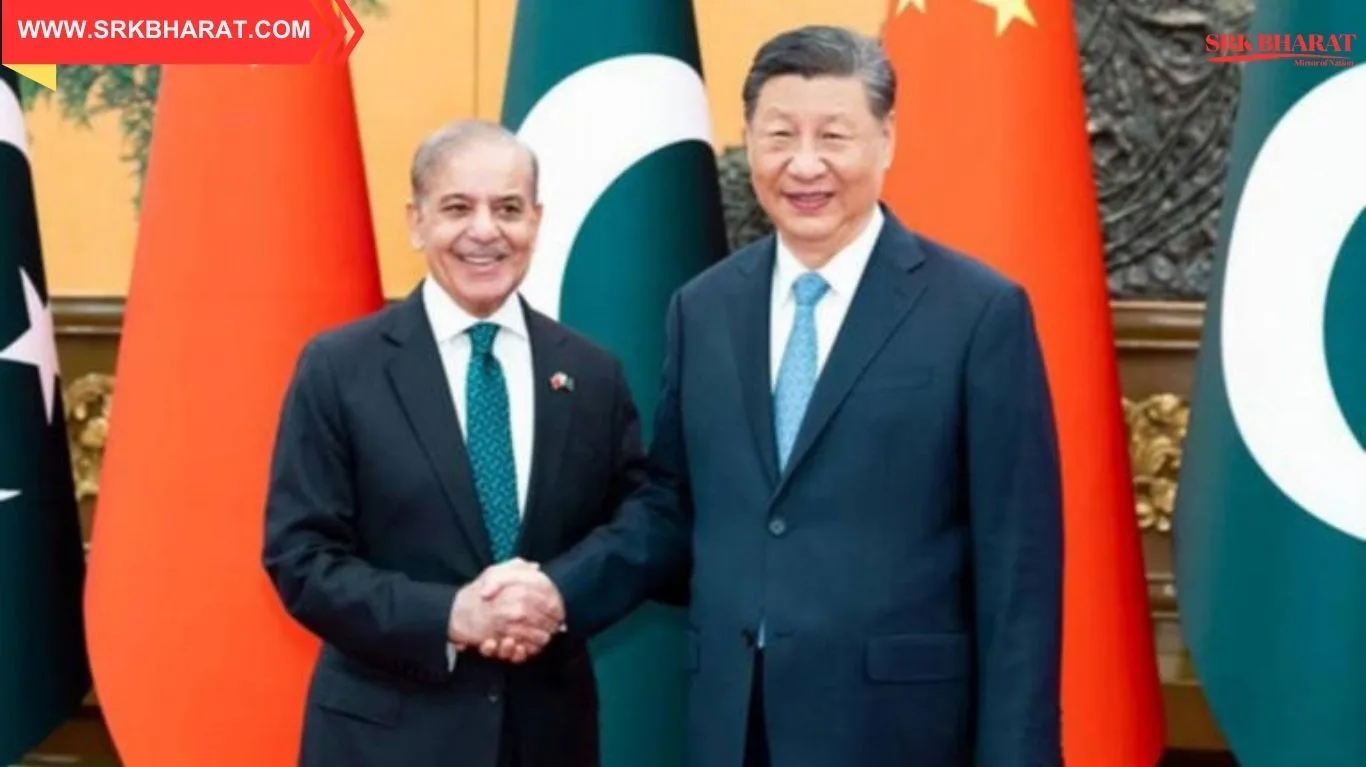
In a surprising diplomatic twist, Pakistan has now claimed that China played the key role in mediating the end of its conflict with India, months after publicly acknowledging the efforts of the United States and then-President Donald Trump. This shift in narrative has sparked debates among analysts, diplomats, and political observers about Islamabad’s foreign policy positioning and its balancing act between global powers.
Background of the Conflict
- The conflict between India and Pakistan escalated following cross-border tensions, military skirmishes, and heightened rhetoric from both sides.
- Initially, Pakistan credited the United States, particularly Donald Trump’s administration, for helping de-escalate the situation.
- Months later, Pakistan’s leadership has shifted its stance, now attributing the resolution to China’s mediation efforts.
- This change highlights the complexities of South Asian geopolitics, where multiple global powers often play overlapping roles.
Key Highlights of Pakistan’s Statement
| Indicator | Details |
|---|---|
| Initial Credit | US and Donald Trump |
| Current Claim | China mediated the end of conflict |
| Context | India-Pakistan tensions |
| Broader Impact | Raises questions about Pakistan’s diplomatic strategy |
| Public Sentiment | Mixed reactions across domestic and international circles |
Implications of Pakistan’s Shift in Narrative
| Factor | Positive Impact | Challenges | Long-Term Implication |
|---|---|---|---|
| Diplomatic Relations | Strengthens ties with China | Risk of alienating US | Greater reliance on Beijing |
| Regional Stability | Highlights China’s role in South Asia | Confusion over mediator | China’s influence grows in region |
| Public Perception | Signals Pakistan’s strategic alignment | Criticism of inconsistency | Shapes domestic political narrative |
| International Attention | Draws focus to great power rivalry | Questions credibility | Reinforces multipolar diplomacy |
| India-Pakistan Relations | Shows external influence in peace | Lack of direct dialogue | Dependence on third-party mediation |
Why This Shift Matters
- Diplomatic Credibility: Changing narratives raises questions about Pakistan’s consistency in foreign policy.
- Global Power Dynamics: The shift reflects Pakistan’s balancing act between the US and China.
- Regional Security: Mediation by external powers underscores the fragility of India-Pakistan relations.
- Public Messaging: Domestic audiences may interpret the shift as aligning more closely with China.
- Strategic Positioning: Pakistan’s claim highlights its reliance on Beijing in geopolitical matters.
Pakistan’s Foreign Policy Context
| Attribute | Details |
|---|---|
| US Relations | Historically strong but strained in recent years |
| China Relations | Deep economic and strategic ties through CPEC |
| India Relations | Long-standing rivalry with periodic escalations |
| Global Positioning | Balancing between Washington and Beijing |
| Long-Term Vision | Secure regional influence with support from allies |
Pakistan’s narrative shift reflects its broader foreign policy strategy of leaning toward China while maintaining ties with the US.
Expert Opinions
- Political Analysts: Suggest that Pakistan’s claim is aimed at reinforcing its strategic partnership with China.
- Diplomats: Note that the inconsistency may weaken Pakistan’s credibility in international forums.
- Economists: Highlight that reliance on China aligns with Pakistan’s economic dependence through the China-Pakistan Economic Corridor (CPEC).
- Citizens: Express mixed reactions, with some supporting closer ties with China and others questioning the shift.
Challenges Ahead
- Credibility Issues: Changing narratives may reduce trust among international partners.
- Balancing Powers: Managing relations with both the US and China is increasingly complex.
- Regional Tensions: India may view external mediation as undermining bilateral dialogue.
- Economic Dependence: Heavy reliance on China could limit Pakistan’s autonomy.
- Domestic Politics: Opposition parties may criticize the government’s inconsistent messaging.
Opportunities for Pakistan
- Strengthen China Ties: Reinforce strategic and economic cooperation with Beijing.
- Diversify Diplomacy: Use multipolarity to engage with multiple global powers.
- Leverage Mediation: Position itself as a key player in South Asian geopolitics.
- Boost Public Confidence: Frame the narrative as proactive diplomacy.
- Regional Stability: Use external mediation to reduce tensions with India.
Broader Context of South Asian Geopolitics
- South Asia remains a hotspot for geopolitical competition among global powers.
- The US has historically played a role in mediating India-Pakistan tensions.
- China’s growing influence in the region reflects its broader ambitions under the Belt and Road Initiative.
- Pakistan’s narrative shift underscores the multipolar nature of modern diplomacy.
Public Sentiment
- Supporters of the government view the claim as aligning with Pakistan’s strategic interests.
- Critics argue that the inconsistency undermines credibility.
- Social media discussions highlight debates on Pakistan’s foreign policy direction.
- Overall sentiment remains divided, reflecting broader political and diplomatic complexities.
Conclusion
The claim by Pakistan that China mediated the end of its conflict with India, months after thanking the US and Donald Trump, highlights the fluid nature of South Asian diplomacy. The shift underscores Pakistan’s reliance on Beijing, its balancing act between global powers, and the challenges of maintaining credibility in international relations. While opportunities for strengthening ties with China are evident, the inconsistency in messaging raises questions about Pakistan’s long-term diplomatic strategy. The development reflects the broader geopolitical contest in South Asia, where external powers continue to shape regional stability.
Disclaimer
This article is intended for informational purposes only and does not constitute official diplomatic or policy advice. Statements, government positions, and public sentiments are subject to change based on evolving circumstances. Readers are encouraged to follow official updates for accurate information. The author and publisher are not responsible for any decisions made based on this article.