



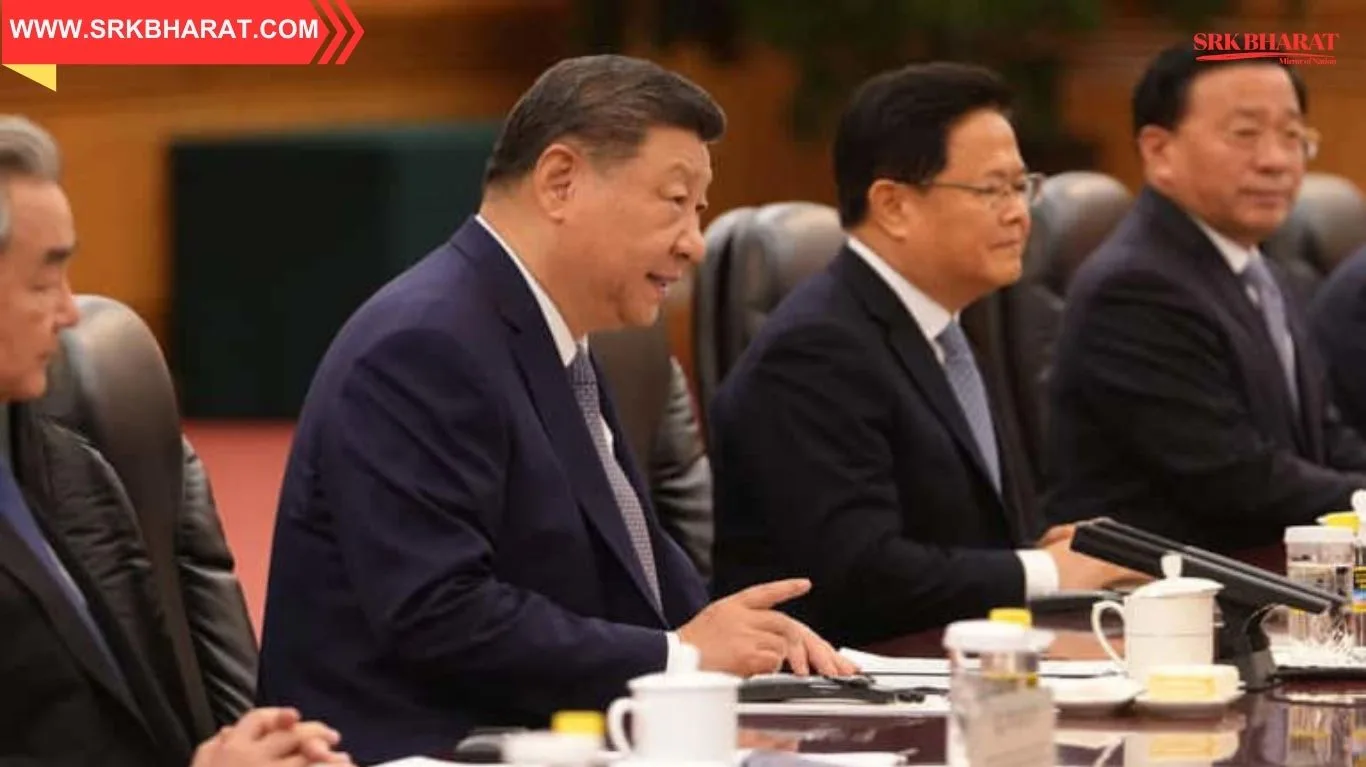
The China-Pakistan Economic Corridor (CPEC), a flagship project under Beijing’s ambitious Belt and Road Initiative (BRI), has once again come under scrutiny as China has reportedly warned Pakistan to “fulfil its prior commitments” amid delays in project delivery. The warning highlights growing concerns in Beijing over Pakistan’s ability to meet deadlines and maintain the pace of development promised under the multi-billion-dollar initiative.
Background of CPEC
- Launched in 2015, CPEC is a collection of infrastructure, energy, and connectivity projects worth over $60 billion.
- It is considered the crown jewel of China’s BRI, aimed at linking Gwadar Port in Pakistan to China’s Xinjiang province.
- The corridor includes highways, railways, energy plants, and special economic zones.
- Despite initial progress, delays, financial challenges, and political instability in Pakistan have slowed down delivery.
China’s Warning to Pakistan
- Beijing has expressed dissatisfaction with the pace of CPEC projects.
- Chinese officials reportedly reminded Pakistan to honour commitments made earlier, particularly in energy and infrastructure sectors.
- The warning comes amid growing concerns about Pakistan’s economic crisis, political instability, and security challenges.
- China has invested heavily in Pakistan, and delays in CPEC threaten both economic returns and strategic goals.
Key Highlights of the Situation
| Indicator | Details |
|---|---|
| Project | China-Pakistan Economic Corridor (CPEC) |
| Value | Over $60 billion |
| China’s Concern | Delayed delivery of projects |
| Warning | “Fulfil your prior commitments with us” |
| Pakistan’s Challenge | Economic crisis, political instability, security issues |
| Broader Impact | Strains bilateral ties, affects BRI credibility |
Implications of China’s Warning
| Factor | Positive Impact | Challenges | Long-Term Implication |
|---|---|---|---|
| Bilateral Relations | Reinforces accountability | Risk of strained ties | Tests resilience of China-Pakistan partnership |
| Economic Development | Pushes Pakistan to accelerate projects | Financial crisis hampers delivery | Determines future of CPEC |
| Security Concerns | Encourages stronger measures | Militancy and instability remain threats | Shapes regional security narrative |
| Global Perception | Highlights China’s assertiveness | Raises doubts about BRI sustainability | Influences global investment confidence |
| Domestic Politics | Forces Pakistan to prioritize commitments | Political instability delays reforms | Impacts governance credibility |
Why This Story Matters
- Strategic Importance: CPEC is central to China’s BRI and Pakistan’s economic future.
- Economic Stakes: Billions of dollars are at risk if projects remain stalled.
- Geopolitical Impact: Delays affect China’s regional influence and Pakistan’s credibility.
- Public Sentiment: Citizens in Pakistan face rising expectations of jobs and infrastructure.
- Global Narrative: The situation reflects broader challenges facing BRI projects worldwide.
Pakistan’s Challenges in Delivering CPEC
| Attribute | Details |
|---|---|
| Economic Crisis | Rising debt, inflation, and currency depreciation |
| Political Instability | Frequent changes in leadership, policy inconsistency |
| Security Threats | Militancy targeting Chinese workers and projects |
| Administrative Delays | Bureaucratic hurdles and lack of coordination |
| Public Pressure | Citizens demand faster delivery and transparency |
Pakistan’s internal challenges have significantly slowed down CPEC progress, raising concerns in Beijing about the viability of long-term commitments.
China’s Strategic Concerns
- China views CPEC as a gateway to the Arabian Sea and a strategic link to the Middle East.
- Delays undermine China’s broader BRI narrative of efficiency and reliability.
- Security threats to Chinese workers in Pakistan have heightened Beijing’s concerns.
- China’s warning reflects its growing impatience and assertiveness in ensuring project delivery.
Expert Opinions
- Economists: Stress that Pakistan must stabilize its economy to meet CPEC commitments.
- Political Analysts: Highlight the risk of strained ties if delays persist.
- Security Experts: Emphasize the need for stronger protection of Chinese workers and assets.
- Citizens: Express frustration over slow progress and lack of visible benefits.
Challenges Ahead
- Debt Burden: Pakistan’s rising debt makes financing difficult.
- Security Risks: Militancy and instability threaten project safety.
- Political Uncertainty: Frequent changes in government delay decision-making.
- Global Scrutiny: International observers question the sustainability of BRI projects.
- Public Expectations: Citizens demand faster delivery and transparency.
Opportunities for Pakistan
- Economic Revival: Use CPEC to boost trade, energy, and employment.
- Infrastructure Growth: Accelerate highways, railways, and port development.
- Regional Integration: Strengthen ties with China and neighbouring countries.
- Security Reforms: Enhance protection for foreign workers and assets.
- Global Confidence: Showcase successful delivery to attract investment.
Broader Context of BRI Challenges
- China’s BRI projects face delays and criticism in several countries.
- Debt sustainability and transparency remain major concerns.
- Pakistan’s situation reflects broader challenges of balancing ambition with reality.
- The outcome of CPEC will shape global perceptions of China’s BRI.
Public Sentiment
- Citizens in Pakistan express frustration over slow progress.
- Supporters highlight the potential benefits of CPEC if delivered on time.
- Critics warn of debt traps and lack of transparency.
- Overall sentiment reflects a mix of hope, skepticism, and urgency.
Media Coverage
- News outlets reported extensively on China’s warning to Pakistan.
- Analysts debated the implications for bilateral ties and regional stability.
- Coverage emphasized the importance of fulfilling commitments under CPEC.
- The story continues to dominate discussions in economic and geopolitical circles.
Conclusion
The warning from China to Pakistan to “fulfil your prior commitments with us” amid delayed CPEC delivery underscores the growing tension in one of Asia’s most strategic partnerships. While CPEC holds immense potential for Pakistan’s economic revival and China’s regional ambitions, delays, financial crises, and security challenges threaten its success. The coming years will be crucial in determining whether Pakistan can overcome these hurdles and deliver on its promises, or whether CPEC will remain a symbol of unfulfilled potential.
Disclaimer
This article is intended for informational purposes only and does not constitute political or economic endorsement. Government policies, bilateral relations, and public sentiments are subject to change based on evolving circumstances. Readers are encouraged to follow official updates for accurate information. The author and publisher are not responsible for any decisions made based on this article.