



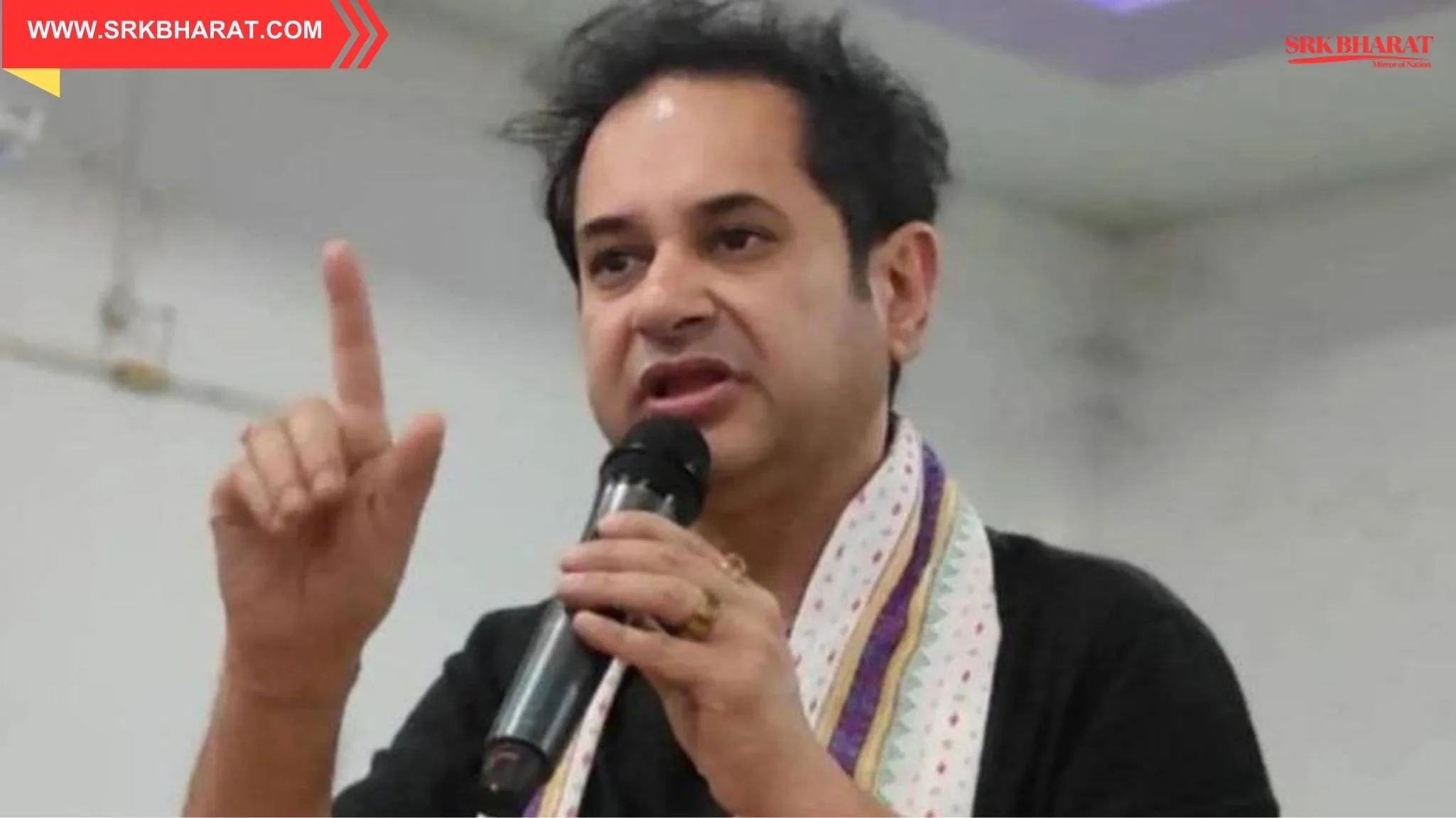
Tripura royal scion and Tipra Motha founder Pradyot Kishore Manikya Debbarma has made a significant statement ahead of the upcoming Autonomous District Council (ADC) elections, asserting that the Centre is actively considering the implementation of the Tiprasa Accord. His remarks have generated widespread interest across the state’s political landscape, as the accord is seen as a landmark agreement aimed at safeguarding the rights and aspirations of the indigenous Tiprasa people.
Background of the Tiprasa Accord
- The Tiprasa Accord was signed between the Tipra Motha leadership and the Government of India to address long-standing demands of the indigenous communities in Tripura.
- The accord focuses on greater autonomy, cultural preservation, socio-economic development, and constitutional safeguards for the tribal population.
- It was hailed as a breakthrough in resolving ethnic and political tensions in the state.
- Implementation of the accord has been a key demand of the Tipra Motha party, which has emerged as a strong voice for tribal rights in Tripura.
Key Highlights of Debbarma’s Statement
| Indicator | Details |
|---|---|
| Speaker | Pradyot Kishore Manikya Debbarma |
| Issue | Implementation of Tiprasa Accord |
| Context | Ahead of ADC polls |
| Centre’s Role | Considering implementation |
| Political Impact | Boosts confidence among Tipra Motha supporters |
Tiprasa Accord – Promise vs Implementation
| Factor | Promise in Accord | Current Status | Implication |
|---|---|---|---|
| Autonomy | Greater powers to ADC | Under consideration | Could empower tribal governance |
| Cultural Preservation | Safeguards for Tiprasa identity | Awaiting implementation | Strengthens indigenous pride |
| Economic Development | Special packages for tribal areas | Discussions ongoing | Boosts local economy |
| Constitutional Safeguards | Legal recognition of rights | Pending | Ensures long-term protection |
| Political Stability | Resolution of tribal demands | Centre reviewing | Reduces ethnic tensions |
Why This Story Matters
- Political Significance: The ADC elections are crucial for tribal governance in Tripura.
- Ethnic Identity: Implementation of the accord would strengthen the cultural and political identity of the Tiprasa people.
- Centre-State Relations: Reflects the Union government’s willingness to address regional aspirations.
- Electoral Impact: Debbarma’s statement could influence voter sentiment ahead of polls.
- Future Outlook: Sets the stage for long-term stability in Tripura’s tribal areas.
Debbarma’s Confidence Ahead of ADC Polls
Pradyot Debbarma expressed optimism that the Centre’s consideration of the accord would translate into concrete action. He emphasized that the Tipra Motha party remains committed to ensuring that the voices of the indigenous people are heard and respected. His confidence ahead of the ADC polls reflects the party’s growing influence and its ability to mobilize tribal communities around issues of identity and governance.
Impact on Tribal Communities
- Empowerment: Greater autonomy for the ADC would allow tribal leaders to make decisions tailored to local needs.
- Development: Economic packages could improve infrastructure, healthcare, and education in tribal areas.
- Cultural Pride: Recognition of Tiprasa identity would strengthen cultural preservation efforts.
- Political Representation: Enhanced safeguards would ensure stronger representation of tribal voices in governance.
Expert Opinions
- Political Analysts: Believe that implementation of the accord could reshape Tripura’s political landscape.
- Economists: Highlight the potential for targeted development in tribal areas.
- Sociologists: Stress the importance of cultural preservation for indigenous identity.
- Policy Experts: Note that successful implementation could serve as a model for other states with tribal populations.
Challenges Ahead
- Administrative Hurdles: Implementing constitutional safeguards requires careful coordination.
- Political Opposition: Other parties may resist changes that alter power dynamics.
- Resource Allocation: Ensuring adequate funding for development projects.
- Public Expectations: Managing hopes of tribal communities while ensuring realistic outcomes.
- Centre-State Coordination: Smooth collaboration needed for effective implementation.
Opportunities for Tripura
- Strengthen Tribal Governance: Empower ADC with greater autonomy.
- Boost Development: Targeted economic packages for tribal regions.
- Preserve Culture: Institutional support for Tiprasa identity.
- Enhance Stability: Reduce ethnic tensions through inclusive policies.
- National Recognition: Position Tripura as a model for tribal empowerment.
Broader Context of Tribal Politics in India
- Tribal communities across India have long sought greater autonomy and recognition.
- Agreements like the Tiprasa Accord reflect the government’s efforts to address these demands.
- Successful implementation in Tripura could inspire similar initiatives in other states.
- The accord highlights the importance of balancing national unity with regional identity.
Sectoral Breakdown of Accord’s Impact
| Sector | Impact | Strategic Importance |
|---|---|---|
| Governance | Greater ADC autonomy | Strengthens local decision-making |
| Economy | Development packages | Boosts tribal livelihoods |
| Culture | Identity safeguards | Preserves indigenous heritage |
| Politics | Enhanced representation | Stabilizes regional politics |
| Society | Empowerment of communities | Promotes inclusivity |
Media Coverage
- Headlines emphasized Debbarma’s statement on the Centre considering implementation of the accord.
- Analysts debated the timing of the announcement ahead of ADC polls.
- Coverage highlighted the potential impact on tribal communities and electoral outcomes.
- The story continues to dominate discussions in Tripura’s political and social circles.
Conclusion
The assertion by Pradyot Debbarma that the Centre is considering implementation of the Tiprasa Accord marks a pivotal moment in Tripura’s political journey. As the ADC polls approach, his confidence reflects both the growing strength of the Tipra Motha party and the importance of tribal identity in shaping the state’s future. Successful implementation of the accord would not only empower tribal communities but also set a precedent for inclusive governance across India.
Disclaimer
This article is intended for informational purposes only and does not constitute political or legal advice. Policy decisions, electoral outcomes, and administrative measures are subject to change based on evolving circumstances. Readers are encouraged to follow official updates for accurate information. The author and publisher are not responsible for any decisions made based on this article.