



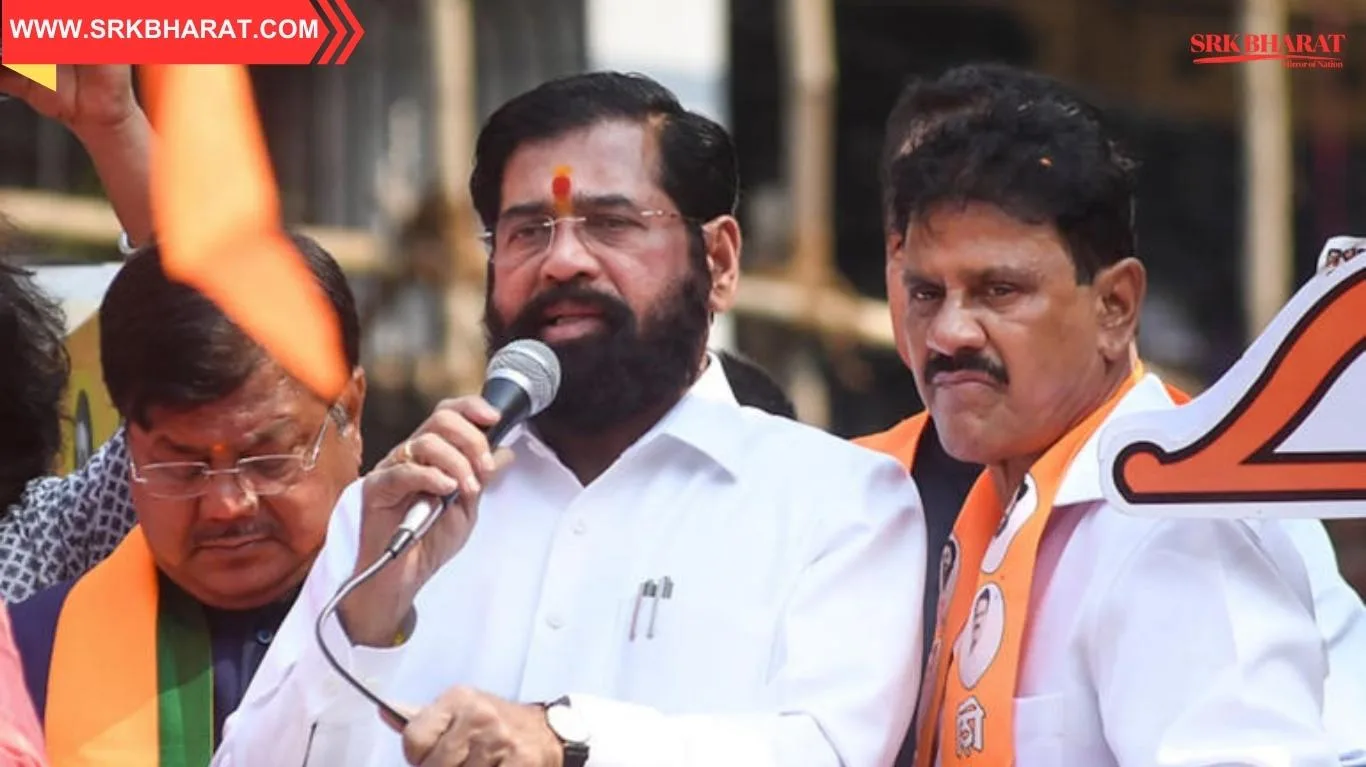
Mumbai’s political landscape has once again witnessed the return of resort politics, with the Eknath Shinde camp making a significant move following the Brihanmumbai Municipal Corporation (BMC) election results. The development has reignited debates about political strategy, party loyalty, and the future of governance in India’s financial capital. Resort politics, a term now synonymous with Maharashtra’s turbulent political scene, reflects the intense battle for power and control among rival factions.
Background of Resort Politics in Maharashtra
- Resort politics refers to the practice of political parties or factions moving their elected representatives to resorts or hotels to prevent poaching or defections.
- Maharashtra has seen multiple episodes of resort politics, particularly during government formation and municipal elections.
- The Shinde camp, which broke away from the Shiv Sena to form an alliance with the Bharatiya Janata Party (BJP), has once again resorted to this strategy after the BMC results.
- The move is aimed at consolidating support, preventing crossovers, and ensuring unity among party members.
Key Highlights
| Indicator | Details |
|---|---|
| Political Camp | Eknath Shinde faction |
| Event | Post-BMC election results |
| Strategy | Resort politics to consolidate MLAs and corporators |
| Objective | Prevent defections, ensure loyalty |
| Broader Impact | Intensifies political rivalry in Mumbai |
Resort Politics vs Democratic Norms
| Factor | Resort Politics | Democratic Norms | Implication |
|---|---|---|---|
| Party Loyalty | Secured through isolation | Secured through ideology | Questions authenticity |
| Transparency | Limited, behind closed doors | Public accountability | Reduces trust |
| Governance | Focus on numbers | Focus on policies | Distracts from development |
| Public Perception | Seen as power play | Seen as democratic process | Polarizes voters |
| Long-Term Impact | Weakens institutions | Strengthens democracy | Risks credibility |
Why This Story Matters
- Political Strategy: Highlights the tactics used by parties to secure power.
- Governance Concerns: Raises questions about the impact of resort politics on public administration.
- Electoral Dynamics: Reflects the intensity of competition in Mumbai’s civic body elections.
- Public Trust: Influences voter perception of political parties and their commitment to democracy.
- Future Implications: Could shape alliances and strategies ahead of state and national elections.
Shinde Camp’s Move After BMC Results
- The Shinde camp reportedly moved its corporators and key leaders to a resort outside Mumbai.
- The objective was to prevent any attempts by rival factions to lure members away.
- The move underscores the fragile nature of political alliances in Maharashtra.
- Resort politics is seen as a way to maintain discipline and ensure loyalty among members.
Impact on Mumbai’s Political Landscape
- The BMC, one of the richest municipal corporations in Asia, is a crucial battleground for political parties.
- Control over the BMC translates into influence over Mumbai’s infrastructure, development projects, and finances.
- The Shinde camp’s resort politics strategy reflects the high stakes involved in securing dominance in the civic body.
- Rival factions, including the Uddhav Thackeray-led Shiv Sena, are closely monitoring the developments.
Expert Opinions
- Political Analysts: Stress that resort politics undermines democratic norms but remains a practical strategy in volatile environments.
- Legal Experts: Highlight that while not illegal, resort politics raises ethical concerns.
- Economists: Note that political instability in Mumbai can affect investment and governance.
- Public Sentiment: Divided, with some viewing resort politics as necessary and others criticizing it as opportunistic.
Challenges Ahead
- Public Perception: Resort politics may erode trust among voters.
- Governance: Focus on power struggles distracts from civic issues.
- Party Discipline: Maintaining unity in volatile political environments remains difficult.
- Electoral Strategy: Balancing resort politics with public outreach is a challenge.
- Media Scrutiny: Continuous coverage intensifies pressure on political leaders.
Opportunities for Political Camps
- Consolidate Support: Ensure loyalty among members through controlled environments.
- Strategic Planning: Use resort stays to plan future moves and alliances.
- Media Management: Shape narratives around unity and discipline.
- Electoral Preparation: Strengthen organizational structures ahead of elections.
- Public Messaging: Present resort politics as a measure of stability.
Broader Context of Resort Politics in India
- Resort politics is not unique to Maharashtra; it has been witnessed in states like Karnataka, Madhya Pradesh, and Rajasthan.
- The practice reflects the fragility of political alliances and the importance of numbers in legislative bodies.
- While criticized for undermining democratic norms, resort politics has become a recurring feature of Indian politics.
- The Shinde camp’s move adds another chapter to this ongoing saga.
Sectoral Breakdown of Impact
| Sector | Impact | Strategic Importance |
|---|---|---|
| Politics | Intensifies rivalry | Shapes electoral outcomes |
| Governance | Distracts from civic issues | Affects public services |
| Media | Extensive coverage | Influences public perception |
| Public Opinion | Divided sentiment | Impacts voter trust |
| Economy | Political instability | Affects investment climate |
Media Coverage
- Headlines emphasized the return of resort politics in Mumbai.
- Analysts debated the ethical and democratic implications of the strategy.
- Coverage highlighted the Shinde camp’s move as a response to BMC results.
- The story continues to dominate discussions in political and civic circles.
Conclusion
The resurgence of resort politics in Mumbai, with the Shinde camp’s big move after the BMC results, underscores the intensity of Maharashtra’s political battles. While the strategy may secure party loyalty in the short term, it raises serious questions about democratic norms, governance, and public trust. As Mumbai’s civic body remains a crucial battleground, resort politics is likely to continue shaping the city’s political narrative, reflecting both the fragility and the resilience of India’s democratic institutions.
Disclaimer
This article is intended for informational purposes only and does not constitute political or legal advice. Political strategies, party decisions, and electoral outcomes are subject to change based on evolving circumstances. Readers are encouraged to follow official updates for accurate information. The author and publisher are not responsible for any decisions made based on this article.