

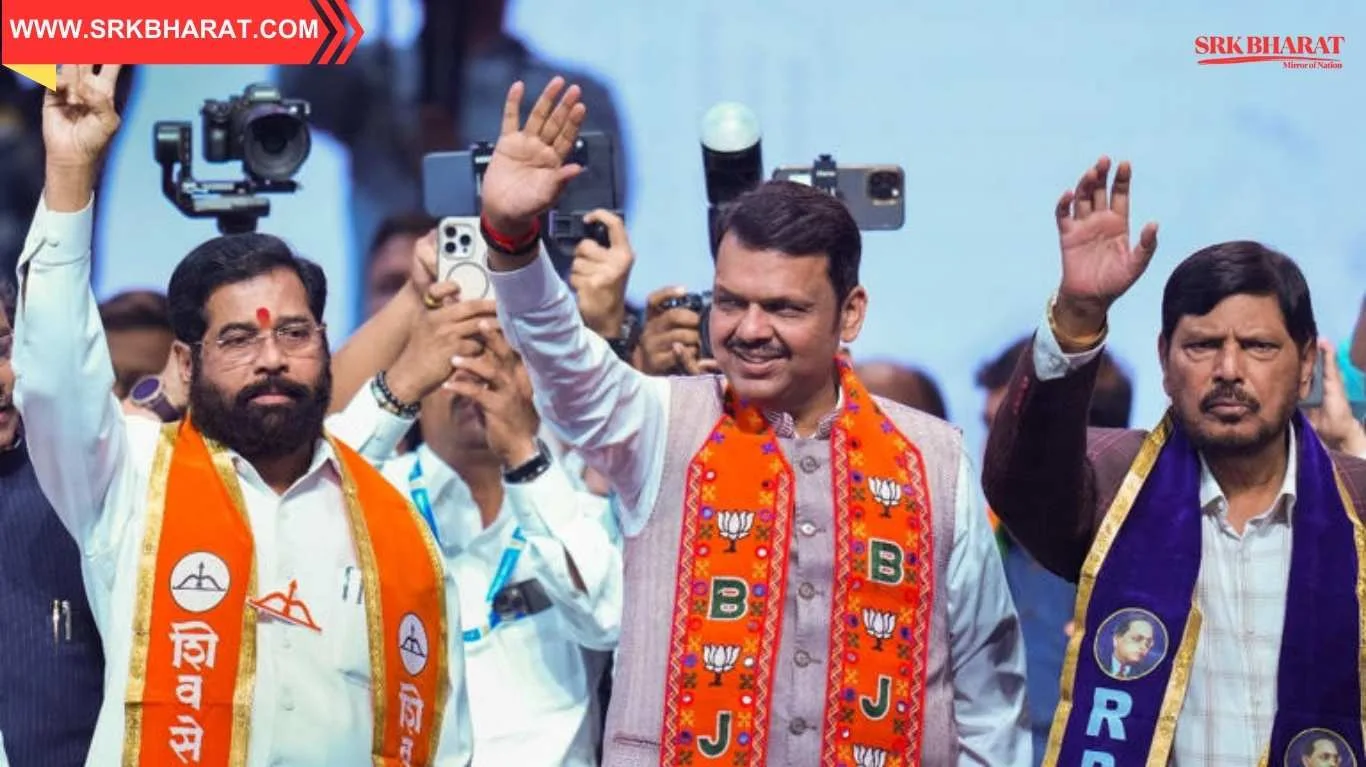
The political landscape in Maharashtra has once again come under the spotlight as the Bharatiya Janata Party (BJP) pressed its ally, the Shiv Sena (Shinde faction), for a power-sharing arrangement in mayoral posts across key municipal corporations. While BJP leaders have emphasized equitable distribution of responsibilities, Chief Minister Eknath Shinde has pitched for alliance unity, urging both sides to focus on governance and development rather than internal tussles.
Background of the Power-Sharing Debate
- Maharashtra’s municipal corporations, including Mumbai, Thane, Pune, and Nagpur, hold significant political weight.
- Traditionally, mayoral posts have been seen as symbols of political dominance and influence in urban governance.
- With upcoming civic polls, BJP has sought a larger share of mayoral positions, citing its electoral strength and organizational reach.
- The Shiv Sena (Shinde faction), however, has emphasized alliance unity, arguing that internal disputes could weaken their collective standing against opposition parties.
Key Highlights
| Indicator | Details |
|---|---|
| Issue | BJP demands mayoral power-sharing |
| Ally Involved | Shiv Sena (Shinde faction) |
| Shinde’s Stand | Emphasis on alliance unity |
| Broader Impact | Shapes Maharashtra’s civic governance |
| Public Sentiment | Divided between alliance stability and political competition |
BJP vs Sena Positions on Mayoral Power-Sharing
| Factor | BJP Position | Sena (Shinde) Position | Implication |
|---|---|---|---|
| Mayoral Posts | Larger share based on strength | Balanced distribution | Negotiation required |
| Alliance Unity | Secondary to representation | Primary focus | Risk of friction |
| Electoral Strategy | Showcase dominance in urban areas | Highlight collective governance | Different priorities |
| Public Messaging | Assertive, demanding | Cooperative, conciliatory | Contrasting narratives |
| Opposition Challenge | Stronger positioning | United front | Outcome affects opposition strategy |
Why This Story Matters
- Urban Governance: Mayoral posts directly influence civic administration in Maharashtra’s largest cities.
- Alliance Dynamics: Reflects the balance of power between BJP and Sena (Shinde).
- Electoral Strategy: Positions taken now will shape narratives ahead of state and national elections.
- Public Perception: Citizens view unity as essential for effective governance.
- Opposition Response: Congress and NCP are closely watching alliance tensions to exploit them politically.
BJP’s Push for Power-Sharing
- BJP leaders argue that their organizational strength and electoral performance justify a larger share of mayoral posts.
- The party believes that showcasing dominance in urban governance will strengthen its image ahead of the 2026 state elections.
- BJP has also emphasized that equitable distribution of posts is necessary to reflect ground realities.
- The demand is seen as part of BJP’s broader strategy to consolidate power in Maharashtra.
Shinde’s Call for Alliance Unity
- Chief Minister Eknath Shinde has urged both sides to prioritize alliance unity over internal competition.
- He emphasized that disputes over mayoral posts could weaken their collective fight against opposition parties.
- Shinde’s conciliatory tone reflects his role as a mediator, balancing BJP’s assertiveness with Sena’s need for recognition.
- His pitch for unity is aimed at reassuring voters that governance will not be compromised by political tussles.
Expert Opinions
- Political Analysts: Note that BJP’s demand reflects its growing confidence in Maharashtra.
- Historians: Highlight the symbolic importance of mayoral posts in shaping political narratives.
- Sociologists: Stress that citizens prioritize governance outcomes over political disputes.
- Critics: Warn that prolonged tussles could erode public trust in the alliance.
Challenges Ahead
- Negotiation Deadlock: Finding a balance between BJP’s demands and Sena’s insistence on unity.
- Public Perception: Managing voter sentiment amid visible alliance tensions.
- Opposition Strategy: Preventing Congress and NCP from exploiting cracks in the alliance.
- Governance Impact: Ensuring civic administration remains unaffected by political disputes.
- Future Elections: Aligning strategies for upcoming state and national polls.
Opportunities for Alliance
- Balanced Power-Sharing: Demonstrates maturity and cooperation.
- Unified Governance: Strengthens credibility among voters.
- Electoral Advantage: Prevents opposition from exploiting divisions.
- Public Confidence: Reassures citizens about stability.
- Strategic Positioning: Enhances alliance’s image ahead of 2026 elections.
Broader Context of Maharashtra Politics
- Maharashtra has long been a battleground for coalition politics.
- The BJP-Sena (Shinde) alliance reflects the complexities of balancing power and unity.
- Mayoral posts, though symbolic, carry significant weight in shaping political narratives.
- The outcome of this tussle will influence not just civic governance but also state-level politics.
Sectoral Breakdown of Impact
| Sector | Impact | Strategic Importance |
|---|---|---|
| Civic Governance | Mayoral posts influence administration | Direct impact on urban citizens |
| Alliance Dynamics | Power-sharing debate | Shapes coalition stability |
| Electoral Strategy | Positions ahead of polls | Determines voter perception |
| Opposition Response | Exploiting cracks | Strengthens their narrative |
| Public Sentiment | Divided opinions | Influences trust in governance |
Media Coverage
- Headlines focused on BJP’s demand for mayoral power-sharing.
- Analysts debated whether the demand reflects strength or risks alliance stability.
- Coverage highlighted Shinde’s conciliatory pitch for unity.
- The story continues to dominate discussions in Maharashtra’s political circles.
Conclusion
The BJP’s push for mayoral power-sharing and Shinde’s emphasis on alliance unity encapsulate the delicate balance of coalition politics in Maharashtra. While BJP seeks to assert its dominance through greater representation, Shinde’s conciliatory approach underscores the importance of unity in governance. The outcome of these negotiations will not only shape civic administration but also influence the trajectory of Maharashtra’s political landscape ahead of crucial elections.
Disclaimer
This article is intended for informational purposes only and does not constitute political or policy advice. Party strategies, leadership decisions, and governance outcomes are subject to change based on evolving circumstances. Readers are encouraged to follow official updates for accurate information. The author and publisher are not responsible for any decisions made based on this article.