




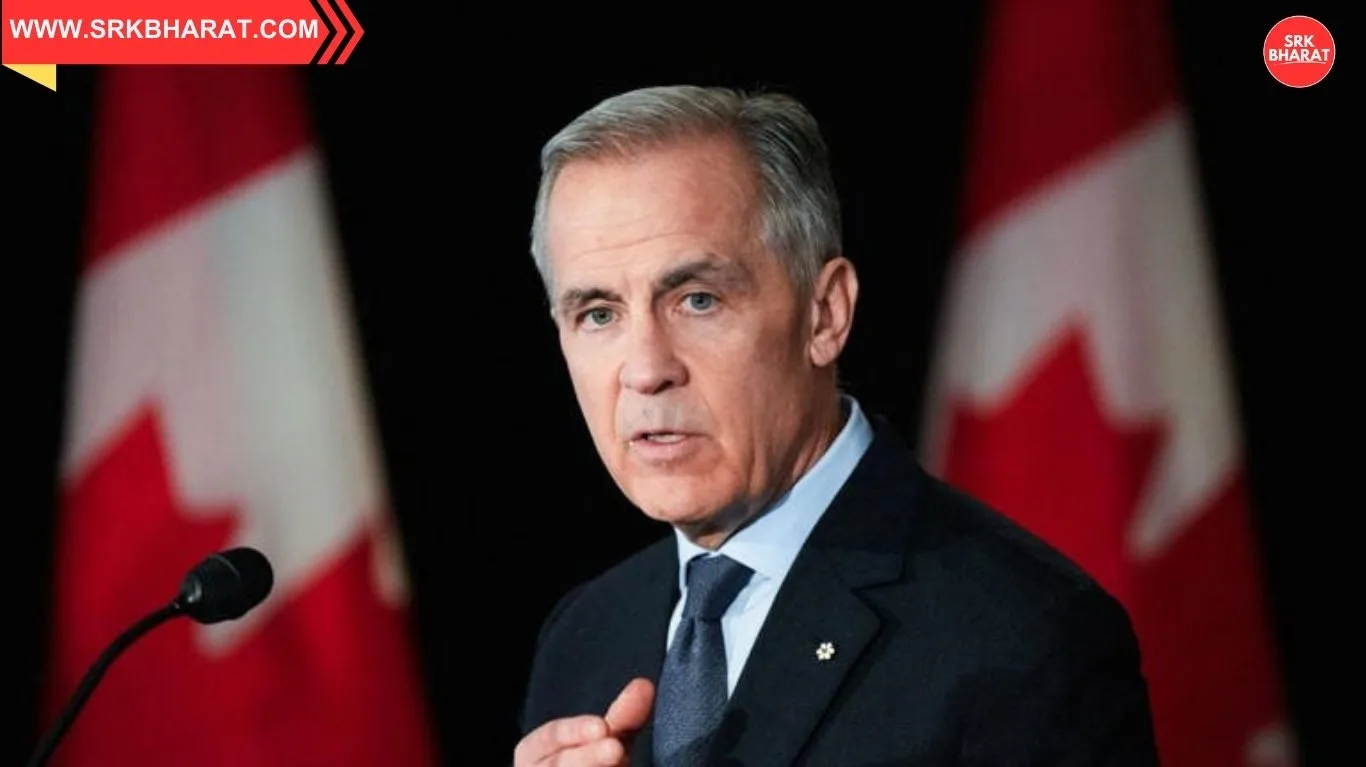
Former Bank of England Governor and current Canadian business leader Mark Carney has urged Canadians to embrace a “Buy Canadian” strategy in response to US President Donald Trump’s threat of imposing a 100% tariff on Canadian exports. Carney’s remarks highlight the growing economic tension between Ottawa and Washington, while emphasizing resilience, domestic consumption, and strategic independence as Canada braces for potential trade shocks.
Background of the Tariff Threat
- President Trump has threatened to impose a 100% tariff on Canadian goods, citing trade imbalances and protectionist policies.
- The move could severely impact Canadian industries, particularly manufacturing, agriculture, and energy exports.
- Carney, known for his pragmatic economic leadership, responded by calling for a renewed focus on domestic markets.
- His “Buy Canadian” message aims to strengthen local industries and reduce reliance on volatile international trade.
Key Highlights
| Indicator | Details |
|---|---|
| Leader Speaking | Mark Carney |
| Policy Threat | Donald Trump’s 100% tariff proposal |
| Canadian Response | “Buy Canadian” strategy |
| Focus | Domestic resilience, consumer confidence |
| Impact | Potential trade disruption, economic uncertainty |
US Tariff Threat vs Canadian Response
| Factor | US Tariff Threat | Canadian Response | Implication |
|---|---|---|---|
| Policy | 100% tariff on Canadian exports | “Buy Canadian” initiative | Clash of trade strategies |
| Economic Impact | Potential export losses | Boost to domestic industries | Shift in market focus |
| Political Messaging | Protectionism | Resilience and independence | Polarized narratives |
| Public Perception | Fear of economic disruption | National pride and solidarity | Mixed reactions |
| Long-Term Outlook | Trade tensions | Stronger local economy | Redefined trade relations |
Why This Story Matters
- Economic Security: Highlights Canada’s vulnerability to US trade policies.
- Political Messaging: Carney’s call reinforces national resilience.
- Consumer Behavior: Encourages Canadians to support local industries.
- Global Trade: Reflects broader trends of protectionism and nationalism.
- Future Outlook: Could reshape Canada’s economic strategy and trade partnerships.
Mark Carney’s Perspective
- Carney emphasized that Canada must “focus on what we can control.”
- He urged consumers to prioritize Canadian-made goods to strengthen domestic industries.
- His remarks reflect a pragmatic approach to navigating trade uncertainty.
Canadian Industry Impact
- Manufacturing: Tariffs could disrupt exports of machinery and vehicles.
- Agriculture: Farmers face potential losses in US markets.
- Energy: Oil and gas exports may be targeted, impacting revenues.
- Technology: Canadian tech firms may seek alternative markets.
Expert Opinions
- Economists: Applaud Carney’s call for resilience but warn of short-term disruptions.
- Business Leaders: Support “Buy Canadian” as a way to boost local industries.
- Political Analysts: Note that the tariff threat reflects rising US protectionism.
- Critics: Argue that Canada must diversify trade beyond the US.
Challenges Ahead
- Export Losses: Managing the impact of reduced access to US markets.
- Consumer Adaptation: Encouraging Canadians to shift buying habits.
- Global Competition: Competing with other nations for trade partnerships.
- Policy Coordination: Aligning federal and provincial strategies.
- Investor Confidence: Maintaining stability amid uncertainty.
Opportunities
- Domestic Growth: Strengthening Canadian industries through local consumption.
- Trade Diversification: Expanding partnerships with Europe and Asia.
- Innovation: Encouraging Canadian firms to innovate under pressure.
- National Unity: Building solidarity through “Buy Canadian” campaigns.
- Resilient Economy: Creating long-term independence from US trade volatility.
Broader Context of Global Trade
- Protectionist policies are reshaping global trade dynamics.
- Canada’s reliance on US markets makes it vulnerable to tariff threats.
- Carney’s call reflects a broader trend of nations focusing on self-reliance.
- The crisis underscores the importance of diversification and resilience.
Sectoral Breakdown of Impact
| Sector | Impact | Strategic Importance |
|---|---|---|
| Manufacturing | Export losses | Core industry resilience |
| Agriculture | Reduced US demand | Food security and local markets |
| Energy | Tariff risks | National revenue stability |
| Technology | Market diversification | Innovation and global competitiveness |
| Consumers | Shift to local goods | Strengthens domestic economy |
Media Coverage
- Headlines emphasize Trump’s tariff threat and Carney’s “Buy Canadian” response.
- Analysts debate whether Canada can withstand a 100% tariff.
- Coverage highlights the intersection of politics, economics, and consumer behavior.
- The story continues to dominate discussions in Canadian and global business circles.
Conclusion
The looming 100% tariff threat from Donald Trump has prompted Mark Carney to call for a “Buy Canadian” strategy, urging citizens to focus on domestic resilience. While the threat poses serious risks to Canadian industries, Carney’s message emphasizes unity, independence, and pragmatic adaptation. For Canada, the crisis represents both a challenge and an opportunity to redefine its economic strategy, diversify trade, and strengthen local industries.
Disclaimer
This article is intended for informational purposes only and does not constitute financial or professional advice. Statements, policies, and outcomes are subject to change based on evolving circumstances. Readers are encouraged to follow official updates for accurate information. The author and publisher are not responsible for any decisions made based on this article.