



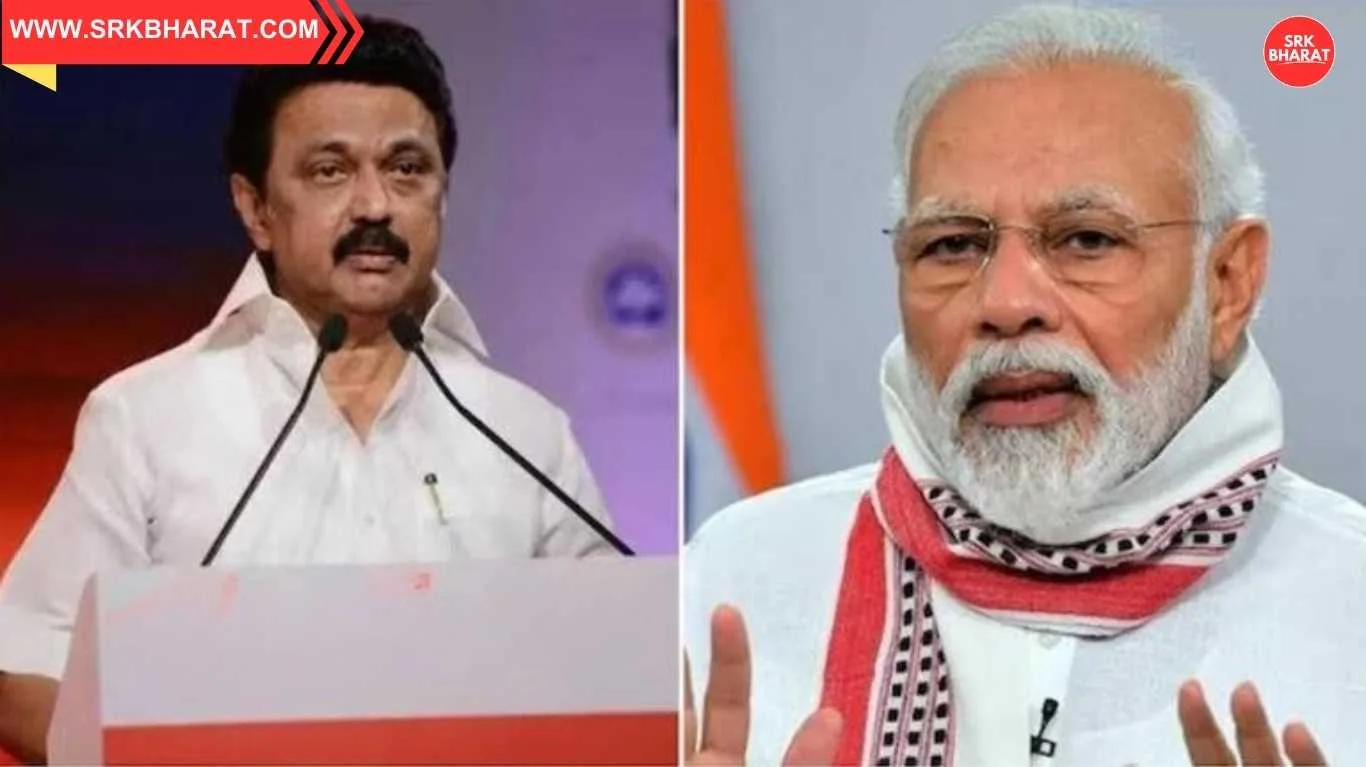
Tamil Nadu Chief Minister has strongly opposed the extension of the National Eligibility cum Entrance Test (NEET) to allied health courses, arguing that the move is unjust to poor and rural students. In a detailed letter to the Prime Minister, the CM highlighted the socio-economic barriers that disadvantaged students face and urged the Centre to reconsider the policy.
Background of the Issue
- NEET was originally introduced for medical and dental courses to standardize admissions.
- The recent proposal to extend NEET to allied health sciences has sparked controversy.
- Tamil Nadu has historically opposed NEET, citing its adverse impact on students from marginalized backgrounds.
- The CM’s letter emphasizes that poor students, especially from rural areas, lack access to coaching facilities and resources needed to compete in NEET.
Key Highlights
| Indicator | Details |
|---|---|
| Policy in Focus | NEET for allied health courses |
| Opposition Leader | Tamil Nadu Chief Minister |
| Recipient of Letter | Prime Minister of India |
| Concern | Disadvantage to poor and rural students |
| Impact | Potential exclusion of marginalized communities |
NEET Policy vs Tamil Nadu’s Concerns
| Factor | NEET Policy | Tamil Nadu’s Concerns | Implication |
|---|---|---|---|
| Objective | Standardized admissions | Unequal access to resources | Policy imbalance |
| Beneficiaries | Urban, well-coached students | Rural, poor students excluded | Widening inequality |
| Accessibility | Relies on coaching centers | Limited in rural areas | Reduced opportunities |
| Public Perception | Seen as merit-based | Viewed as discriminatory | Polarized opinions |
| Long-Term Outlook | National standardization | Regional opposition | Policy conflict |
Why This Story Matters
- Educational Equity: Highlights the need for fair access to higher education.
- Policy Debate: Sparks national discussion on the scope of NEET.
- Regional Concerns: Reflects Tamil Nadu’s consistent opposition to NEET.
- Student Impact: Poor students risk being excluded from allied health courses.
- Future Outlook: Could influence national education reforms.
Tamil Nadu CM’s Perspective
- The CM argued that NEET favors students with access to expensive coaching.
- He emphasized that allied health courses should remain accessible to all, not just the privileged.
- The letter urged the Prime Minister to ensure inclusivity in education policy.
Impact on Students
- Urban Students: Likely to benefit due to better access to coaching.
- Rural Students: Risk exclusion due to lack of resources.
- Poor Families: Face financial strain in preparing for NEET.
- Marginalized Communities: Could see reduced representation in allied health courses.
Expert Opinions
- Educationists: Warn that extending NEET could deepen inequality.
- Policy Analysts: Suggest alternative admission models for allied health courses.
- Student Groups: Express concern over accessibility and fairness.
- Critics: Argue that NEET undermines state autonomy in education.
Challenges Ahead
- Balancing Standards: Ensuring quality without excluding disadvantaged students.
- Policy Coordination: Aligning state and central education policies.
- Resource Allocation: Expanding coaching and training in rural areas.
- Public Trust: Addressing concerns of fairness and inclusivity.
- Political Consensus: Bridging differences between Centre and states.
Opportunities
- Inclusive Policy Reform: Designing admission models that balance merit and accessibility.
- Rural Education Investment: Expanding facilities to support disadvantaged students.
- State Autonomy: Allowing states flexibility in admissions.
- Scholarship Programs: Supporting poor students financially.
- National Dialogue: Encouraging debate on equitable education policies.
Broader Context of Education Policy
- NEET has been a contentious issue since its introduction.
- Tamil Nadu has consistently opposed NEET, citing its impact on rural and poor students.
- The extension to allied health courses intensifies the debate on inclusivity.
- The controversy reflects broader challenges in balancing national standards with regional realities.
Sectoral Breakdown of Impact
| Sector | Impact | Strategic Importance |
|---|---|---|
| Education | Reduced access for poor students | Equity in admissions |
| Politics | Centre-state conflict | Policy alignment |
| Society | Widening inequality | Social justice |
| Media | Amplified coverage | Shapes public discourse |
| Students | Increased stress and exclusion | Future opportunities |
Media Coverage
- Headlines emphasize Tamil Nadu CM’s opposition to NEET for allied health courses.
- Analysts debate whether NEET ensures merit or deepens inequality.
- Coverage highlights the Centre-state conflict over education policy.
- The story continues to dominate discussions in Tamil Nadu and national education circles.
Conclusion
The Tamil Nadu Chief Minister’s letter to the Prime Minister opposing NEET for allied health courses underscores the ongoing debate over educational equity in India. While NEET aims to standardize admissions, critics argue that it disproportionately benefits privileged students and excludes the poor. For Tamil Nadu, the issue reflects a broader struggle for inclusivity, fairness, and state autonomy in education policy. The outcome of this debate could shape the future of higher education in India.
Disclaimer
This article is intended for informational purposes only and does not constitute educational or professional advice. Policies, statements, and outcomes are subject to change based on evolving circumstances. Readers are encouraged to follow official updates for accurate information. The author and publisher are not responsible for any decisions made based on this article.