

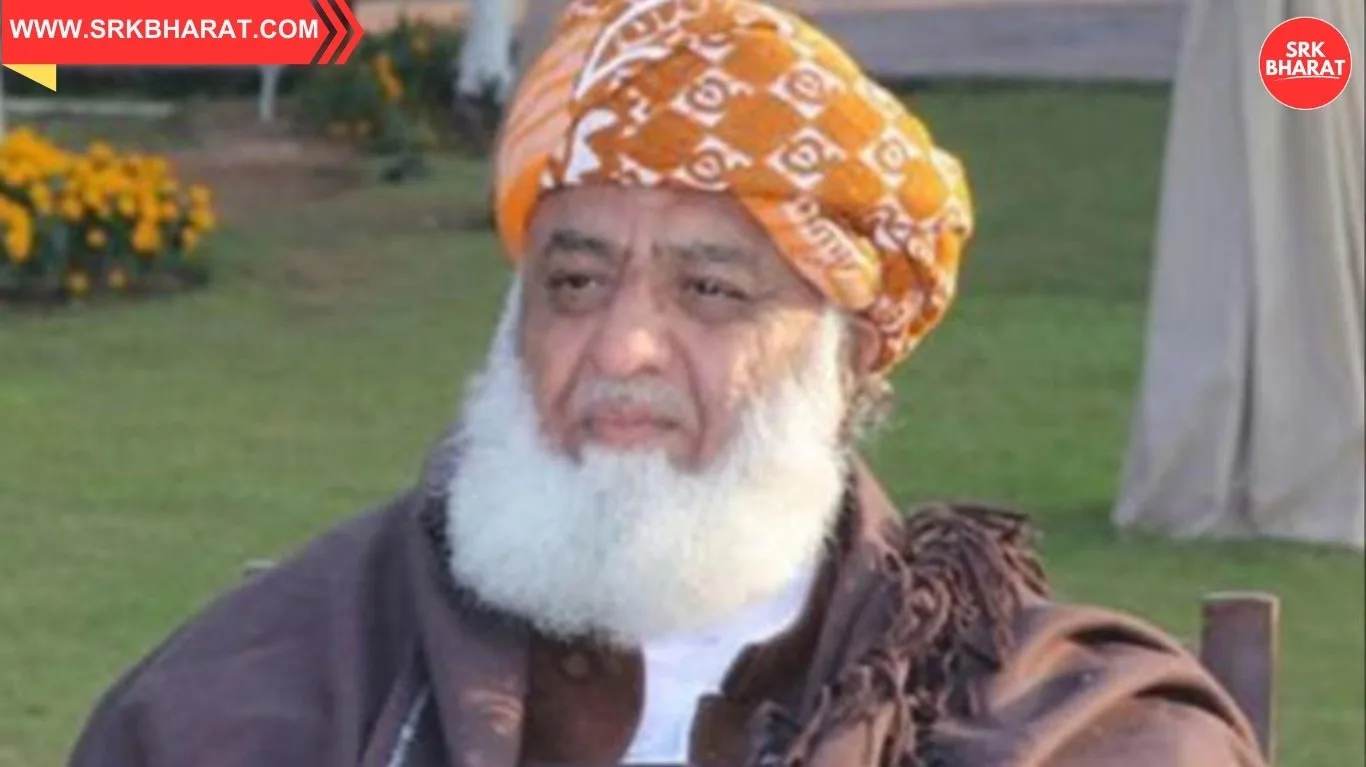
Opposition leader and Jamiat Ulema-e-Islam (F) chief Maulana Fazlur Rehman has launched a scathing attack on Pakistan’s foreign policy, accusing the government and military establishment of leaving the country isolated on all fronts. Speaking at a political gathering, Rehman declared that India, Afghanistan, and even China are upset with Pakistan, highlighting decades of failed strategies that have eroded trust and weakened Islamabad’s global standing.
Key Highlights
- Foreign Policy Criticism: Rehman said Pakistan has “lost every friend it once had.”
- China Factor: Claimed Beijing no longer trusts Islamabad due to stalled CPEC projects.
- Afghanistan Relations: Trade collapse and border tensions have strained ties.
- India Relations: Persistent hostility has blocked diplomatic progress.
- Military Role: Alleged that foreign policy is dictated by the security establishment, not elected civilian leaders.
Analysis of Pakistan’s Isolation
| Factor | Past Scenario | Current Scenario | Outcome Observed |
|---|---|---|---|
| China Relations | Strategic partner via CPEC | Stalled projects, mistrust | Weakening alliance |
| Afghanistan Ties | Trade and cultural links | Collapsed trade, border tensions | Hostile relations |
| India Relations | Occasional peace talks | Persistent hostility | Diplomatic deadlock |
| Global Standing | Seen as regional player | Increasing isolation | Loss of influence |
| Policy Drivers | Civilian + military input | Military dominance | Democratic deficit |
Comparative Analysis of Regional Relations
| Country | Pakistan’s Current Status | Key Issues | Impact |
|---|---|---|---|
| India | Hostile, no dialogue | Kashmir, terrorism allegations | Diplomatic freeze |
| Afghanistan | Strained, mistrust | Border clashes, trade collapse | Regional instability |
| China | Cooling ties | Stalled CPEC, mistrust | Economic setback |
| Iran | Uneasy cooperation | Border tensions, sectarian issues | Limited partnership |
| US | Strategic disengagement | Security concerns, mistrust | Reduced influence |
Drivers Behind Pakistan’s Isolation
- Military Dominance: Rehman alleged foreign policy decisions are dictated by the military, sidelining civilian leadership.
- Failed Economic Strategy: Stalled projects like CPEC have weakened trust with China.
- Regional Conflicts: Border tensions with Afghanistan and hostility with India have deepened isolation.
- Global Perception: Pakistan is increasingly seen as unstable and unreliable.
- Internal Contradictions: Political instability and economic crises undermine credibility.
Public and Media Reaction
- Opposition Supporters: Welcomed Rehman’s bold criticism, calling it a necessary wake-up call.
- Government Response: Dismissed the remarks as political rhetoric aimed at undermining national institutions.
- Media Coverage: Highlighted the rare direct criticism of China ties, amplifying debate.
- Analysts: Viewed the comments as reflective of growing frustration with Pakistan’s strategic isolation.
Future Outlook
Rehman’s remarks underscore the urgent need for Pakistan to:
- Rebuild Trust with China: Revive stalled CPEC projects and reassure Beijing.
- Re-engage Afghanistan: Address border tensions and restore trade links.
- Seek Dialogue with India: Explore confidence-building measures despite hostility.
- Empower Civilian Leadership: Reduce military dominance in foreign policy.
- Stabilize Economy: Strengthen credibility through reforms and investment.
Challenges ahead:
- Overcoming entrenched military influence.
- Managing economic crises while rebuilding alliances.
- Addressing domestic instability to improve global perception.
Conclusion
Maulana Fazlur Rehman’s sharp attack on Pakistan’s foreign policy highlights the country’s growing regional isolation. His claim that India, Afghanistan, and even China are upset with Pakistan reflects the erosion of trust with key neighbors and allies. By blaming decades of flawed strategies and military overreach, Rehman has reignited debate on the need for a civilian-led, reform-driven foreign policy to restore Pakistan’s credibility and regional standing.
Disclaimer
This article is intended for informational and analytical purposes only. It summarizes publicly available political statements and regional developments. It does not constitute endorsement, insider information, or professional consultation. Readers are encouraged to verify facts independently and consider multiple perspectives before forming conclusions.