

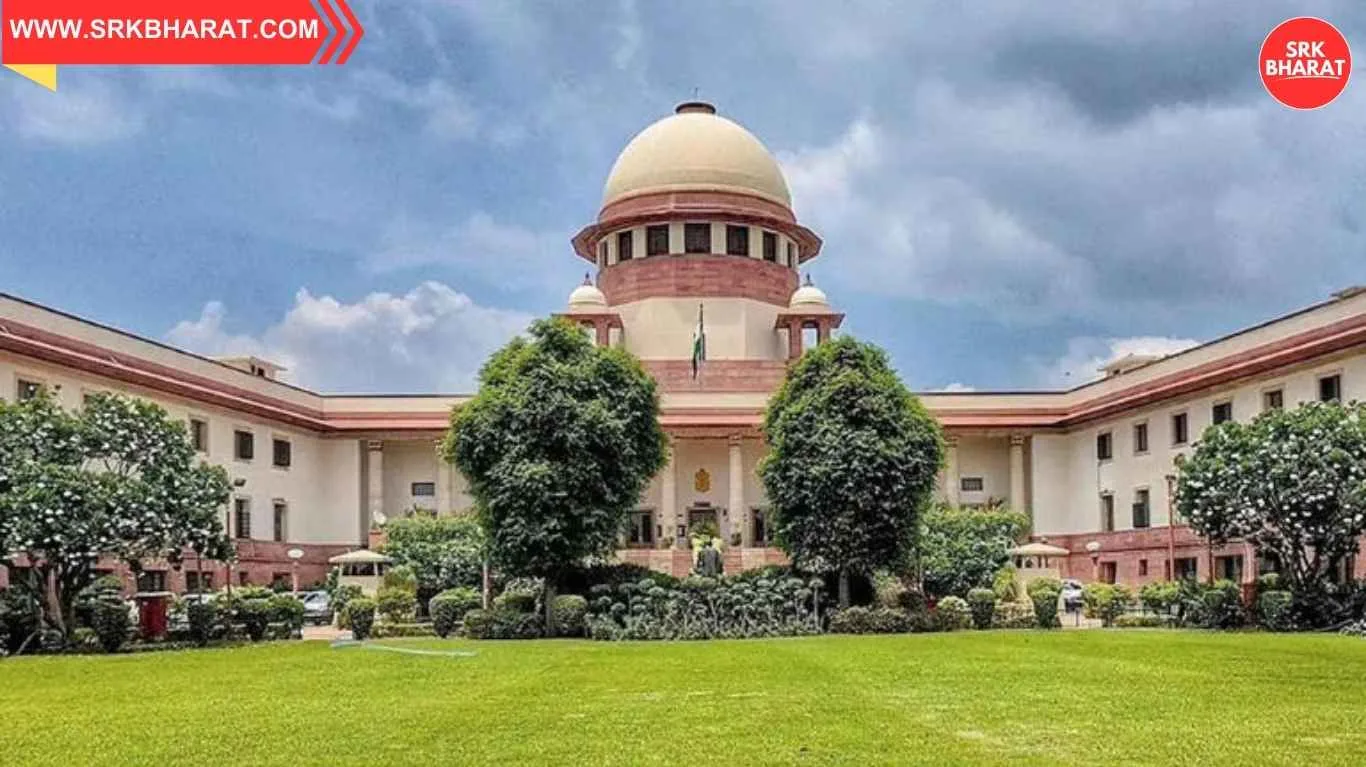
The Supreme Court of India has upheld the ban on animal sacrifice at religious sites in Tamil Nadu, while permitting limited prayers for Muslims at the Madurai temple complex. The ruling balances constitutional principles of religious freedom with concerns over public order, animal welfare, and secular governance.
Key Highlights
- Ban Upheld: Animal sacrifice remains prohibited at temples and religious sites in Tamil Nadu.
- Limited Prayers Allowed: Muslims permitted to offer prayers in designated areas of the Madurai complex.
- Court’s Reasoning: Emphasized that religious freedom cannot override public safety and animal welfare laws.
- Historical Context: The ban was first enforced by the Tamil Nadu government under the Prevention of Cruelty to Animals Act.
- Public Reaction: Mixed responses from religious groups, animal rights activists, and political leaders.
Analysis of the Supreme Court Ruling
| Factor | Previous Scenario | Current Ruling | Outcome Observed |
|---|---|---|---|
| Animal Sacrifice | Practiced at certain temples | Prohibited under law | Ban upheld |
| Religious Freedom | Broad interpretation | Limited, balanced with welfare | Controlled practice |
| Muslim Prayers | Restricted access | Allowed in designated areas | Inclusive approach |
| Public Sentiment | Divided opinions | Mixed reactions | Debate continues |
| Legal Framework | State-level enforcement | Supreme Court affirmation | Stronger precedent |
Comparative Analysis of Religious Practices and Legal Restrictions
| Country | Practice Allowed? | Legal Restrictions | Public Impact |
|---|---|---|---|
| India | Animal sacrifice banned | Prevention of Cruelty to Animals Act | Religious debate |
| Nepal | Sacrifice allowed in some festivals | Limited regulation | Cultural continuity |
| Sri Lanka | Restricted practices | Animal welfare laws | Reduced sacrifices |
| Bangladesh | Sacrifice allowed during Eid | Regulated by law | Religious acceptance |
Drivers Behind the Court’s Decision
- Animal Welfare: Reinforcing the Prevention of Cruelty to Animals Act.
- Public Order: Preventing violence and unrest linked to sacrificial practices.
- Secular Governance: Ensuring that religious practices align with constitutional values.
- Inclusivity: Allowing Muslims limited prayer rights at Madurai temple complex.
- Legal Precedent: Strengthening judicial consistency in balancing rights and restrictions.
Public and Media Reaction
- Animal Rights Groups: Welcomed the ruling as a victory for humane treatment.
- Religious Leaders: Some expressed disappointment, citing tradition and faith.
- Muslim Community: Appreciated the allowance for limited prayers, calling it inclusive.
- Political Leaders: Divided, with some supporting the ban and others criticizing judicial interference.
- Media: Coverage emphasized the balance between tradition and modern legal frameworks.
Future Outlook
The ruling could lead to:
- Stronger Enforcement: Tamil Nadu authorities expected to intensify monitoring of temple practices.
- Legal Precedent: Other states may adopt similar bans.
- Religious Adaptation: Communities may shift toward symbolic rituals instead of sacrifices.
- Social Debate: Continued discussions on balancing faith and law.
Challenges ahead:
- Managing religious sensitivities while enforcing bans.
- Preventing communal tensions over prayer rights.
- Ensuring consistent application of animal welfare laws.
Conclusion
The Supreme Court’s decision to uphold the ban on animal sacrifice while allowing limited prayers for Muslims in Madurai reflects India’s complex balance between religious freedom, animal welfare, and secular governance. While the ruling strengthens legal precedent, it also underscores the need for dialogue and inclusivity in managing diverse religious practices within constitutional boundaries.
Disclaimer
This article is intended for informational and analytical purposes only. It summarizes publicly available judicial updates and social reactions. It does not constitute legal advice, insider information, or professional consultation. Readers are encouraged to verify facts independently and consider multiple perspectives before forming conclusions.