

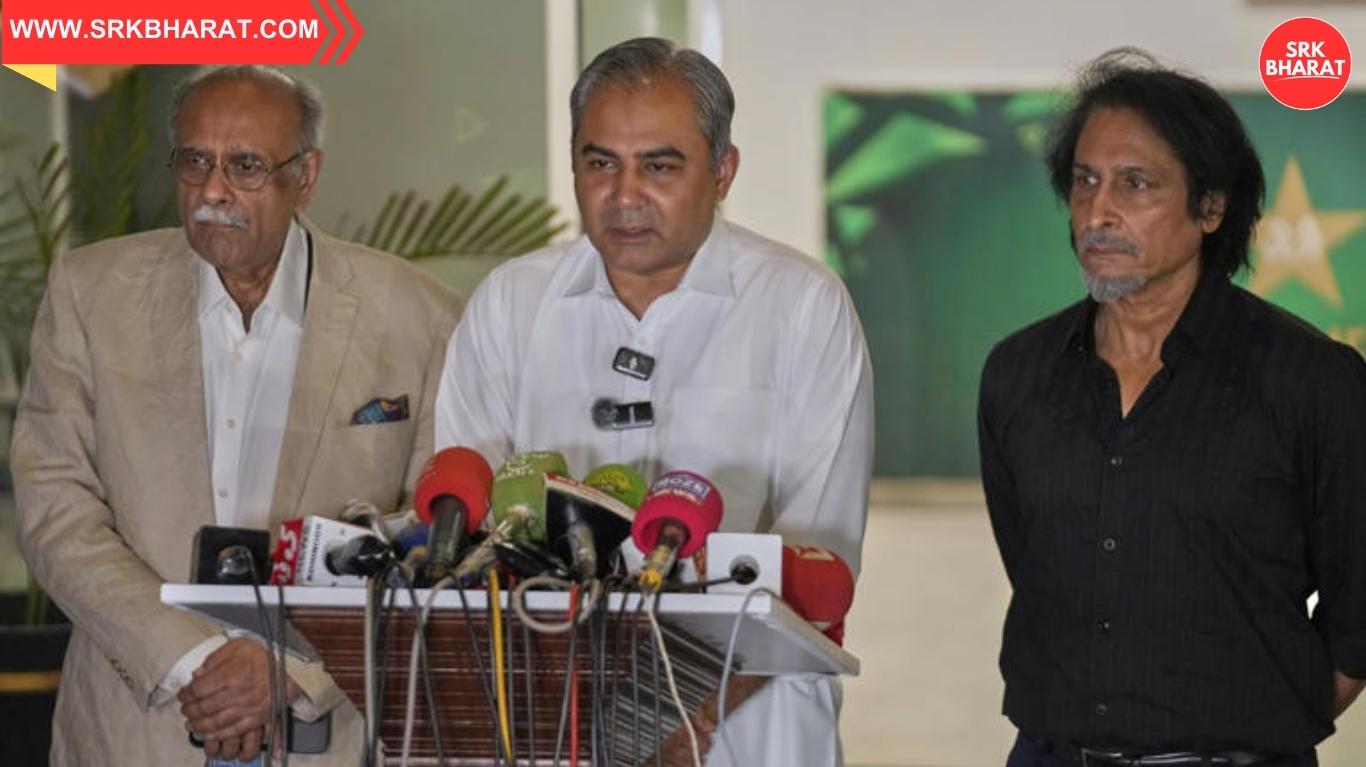
A recent statement highlighting Pakistan’s diplomatic and strategic approach has drawn attention to its historical and regional ties with Bangladesh. Officials and analysts have suggested that Pakistan’s aim in certain bilateral and multilateral engagements was to “get Bangladesh some respect” on the global stage. This remark underscores the complex relationship between the two nations, shaped by history, politics, and regional dynamics.
Key Highlights
- Diplomatic Intent: Pakistan’s stated aim was to elevate Bangladesh’s global standing.
- Historical Context: Relations remain sensitive due to the 1971 war and subsequent independence of Bangladesh.
- Regional Dynamics: Both countries seek influence in South Asia amid India’s dominant presence.
- Economic Angle: Bangladesh’s growing textile and manufacturing sector has made it a key player in global trade.
- Political Reactions: The statement has sparked debate in both countries about motives and implications.
Analysis of Pakistan’s Statement
| Factor | Past Scenario | Current Statement | Outcome Expected |
|---|---|---|---|
| Diplomatic Ties | Strained since 1971 | Efforts to show respect | Symbolic improvement |
| Economic Relations | Limited trade | Potential cooperation | Growth opportunities |
| Regional Politics | India’s dominance | Pakistan seeks balance | Strategic positioning |
| Public Sentiment | Skepticism in Bangladesh | Mixed reactions | Debate continues |
| Global Standing | Bangladesh rising economy | Pakistan’s support | Enhanced visibility |
Comparative Analysis of South Asian Relations
| Country | Relationship with Bangladesh | Key Issues | Current Status |
|---|---|---|---|
| Pakistan | Complex, post-1971 tensions | Historical grievances, trade gaps | Attempt at respect |
| India | Strong economic ties, political disputes | Border, water sharing | Competitive but vital |
| China | Strategic partner | Infrastructure, trade | Growing influence |
| Nepal | Limited but cordial | Trade, cultural exchanges | Stable |
| Sri Lanka | Cooperative | Maritime trade | Positive engagement |
Drivers Behind Pakistan’s Statement
- Historical Reconciliation: Attempt to soften tensions rooted in 1971.
- Regional Strategy: Positioning against India’s influence in South Asia.
- Economic Diplomacy: Recognizing Bangladesh’s rise as a global textile hub.
- Global Visibility: Helping Bangladesh gain respect in international forums.
- Symbolic Gesture: Aimed at improving bilateral perceptions.
Public and Media Reaction
- Bangladesh Media: Mixed responses, with some welcoming the gesture and others skeptical of motives.
- Pakistani Analysts: Framed the statement as part of broader regional diplomacy.
- International Observers: Noted the symbolic importance but questioned practical outcomes.
- Public Sentiment: Divided, reflecting historical sensitivities and current realities.
Future Outlook
- Diplomatic Engagements: Potential for renewed dialogue between Pakistan and Bangladesh.
- Economic Cooperation: Textile trade and manufacturing could be areas of collaboration.
- Regional Balance: Both countries may seek to counterbalance India’s dominance.
- Global Forums: Bangladesh’s rising profile could be supported by Pakistan in multilateral platforms.
Challenges ahead:
- Overcoming historical mistrust.
- Ensuring genuine cooperation beyond symbolic statements.
- Balancing ties with India and China.
- Addressing domestic skepticism in both nations.
Conclusion
Pakistan’s statement that its aim was to “get Bangladesh some respect” reflects an effort to reshape perceptions and foster goodwill in South Asia. While the gesture carries symbolic weight, its practical impact will depend on sustained diplomatic and economic cooperation. For Bangladesh, the recognition underscores its growing importance in global trade and politics, while for Pakistan, it represents an attempt to reposition itself in a region dominated by India and influenced by China.
Disclaimer
This article is intended for informational and analytical purposes only. It summarizes publicly available updates on Pakistan’s statement regarding Bangladesh. It does not constitute endorsement, insider information, or professional consultation. Readers are encouraged to verify facts independently and consider multiple perspectives before forming conclusions.