


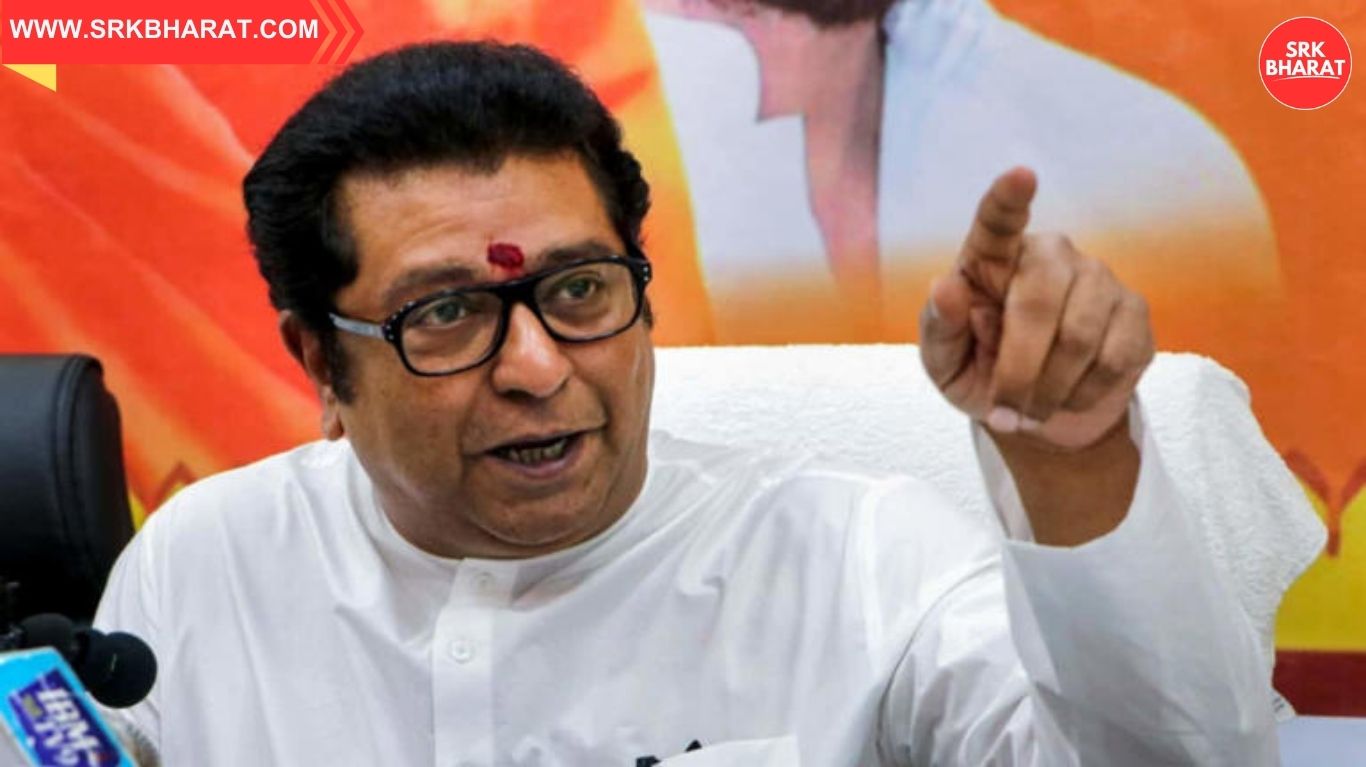
Maharashtra Navnirman Sena (MNS) chief Raj Thackeray has launched a sharp attack on Rashtriya Swayamsevak Sangh (RSS) chief Mohan Bhagwat over his recent remarks describing linguistic assertion and agitations as a “kind of disease.” Thackeray, defending the primacy of Marathi identity, said that love for one’s language and region cannot be trivialized as a disorder. His statement has reignited debates around India’s linguistic diversity, federalism, and cultural pride.
Key Highlights
- Bhagwat’s Remark: At a Mumbai event, Bhagwat said insistence on language and related protests amounted to a “disease.”
- Thackeray’s Response: He countered that linguistic pride is non-negotiable and deeply rooted in India’s federal structure.
- Political Context: Thackeray accused the RSS chief of dismissing historical reasons behind linguistic reorganization of states.
- Public Sentiment: The remarks have sparked heated reactions across Maharashtra and beyond.
- Cultural Debate: The controversy underscores the tension between national integration and regional identity.
Analysis of the Controversy
| Factor | Bhagwat’s Statement | Thackeray’s Counter | Outcome Observed |
|---|---|---|---|
| Linguistic Identity | Called insistence a “disease” | Asserted pride is non-negotiable | Debate intensified |
| Federalism | Downplayed linguistic assertion | Highlighted historical state reorganization | Renewed focus on federal values |
| Political Impact | RSS stance questioned | MNS gained visibility | Polarization |
| Public Sentiment | Confusion, criticism | Strong support for Thackeray | Emotional reactions |
| Media Coverage | Focused on Bhagwat’s remark | Amplified Thackeray’s rebuttal | National attention |
Comparative Analysis of Language Politics in India
| Region | Language Assertion | Political Impact | Current Status |
|---|---|---|---|
| Maharashtra | Marathi pride | MNS, Shiv Sena influence | Strong assertion |
| Tamil Nadu | Tamil identity | DMK, AIADMK politics | Deep-rooted |
| Karnataka | Kannada pride | Regional movements | Moderate assertion |
| West Bengal | Bengali pride | Cultural emphasis | Strong identity |
| North India | Hindi dominance | National integration | Contested by regional voices |
Drivers Behind Thackeray’s Attack
- Marathi Identity: Defending linguistic pride as central to Maharashtra’s cultural fabric.
- Historical Context: States were reorganized on linguistic lines in 1956, making language a legitimate political factor.
- Political Strategy: Positioning MNS as the defender of Marathi pride against perceived centralization.
- Public Sentiment: Tapping into emotional resonance among Marathi-speaking citizens.
- National Debate: Highlighting the broader issue of linguistic diversity in India.
Public and Media Reaction
- Supporters of MNS: Welcomed Thackeray’s strong defense of Marathi identity.
- Critics of RSS: Accused Bhagwat of undermining India’s federal and cultural realities.
- Media: Coverage emphasized the clash as symbolic of India’s linguistic tensions.
- General Public: Divided, with some supporting national integration and others defending regional pride.
Future Outlook
- Political Impact: MNS may gain traction among Marathi voters by positioning itself as the custodian of linguistic pride.
- RSS Strategy: Likely to clarify or defend Bhagwat’s remarks in the face of criticism.
- National Debate: The controversy may spark wider discussions on language policy and federalism.
- Cultural Assertion: Regional parties across India may use the issue to reinforce their identities.
Challenges ahead:
- Balancing national integration with regional identities.
- Preventing linguistic pride from escalating into divisive politics.
- Addressing public sentiment without undermining constitutional values.
Conclusion
Raj Thackeray’s sharp rebuttal to Mohan Bhagwat’s “language as disease” remark has reignited debates on India’s linguistic diversity and federal structure. By asserting that love for language is not a disorder but a legitimate identity, Thackeray has positioned himself as a defender of Marathi pride and cultural autonomy. The controversy highlights the enduring tension between national unity and regional assertion, a theme deeply embedded in India’s political and cultural landscape.
Disclaimer
This article is intended for informational and analytical purposes only. It summarizes publicly available updates on the controversy between Raj Thackeray and Mohan Bhagwat. It does not constitute endorsement, insider information, or professional consultation. Readers are encouraged to verify facts independently and consider multiple perspectives before forming conclusions.