





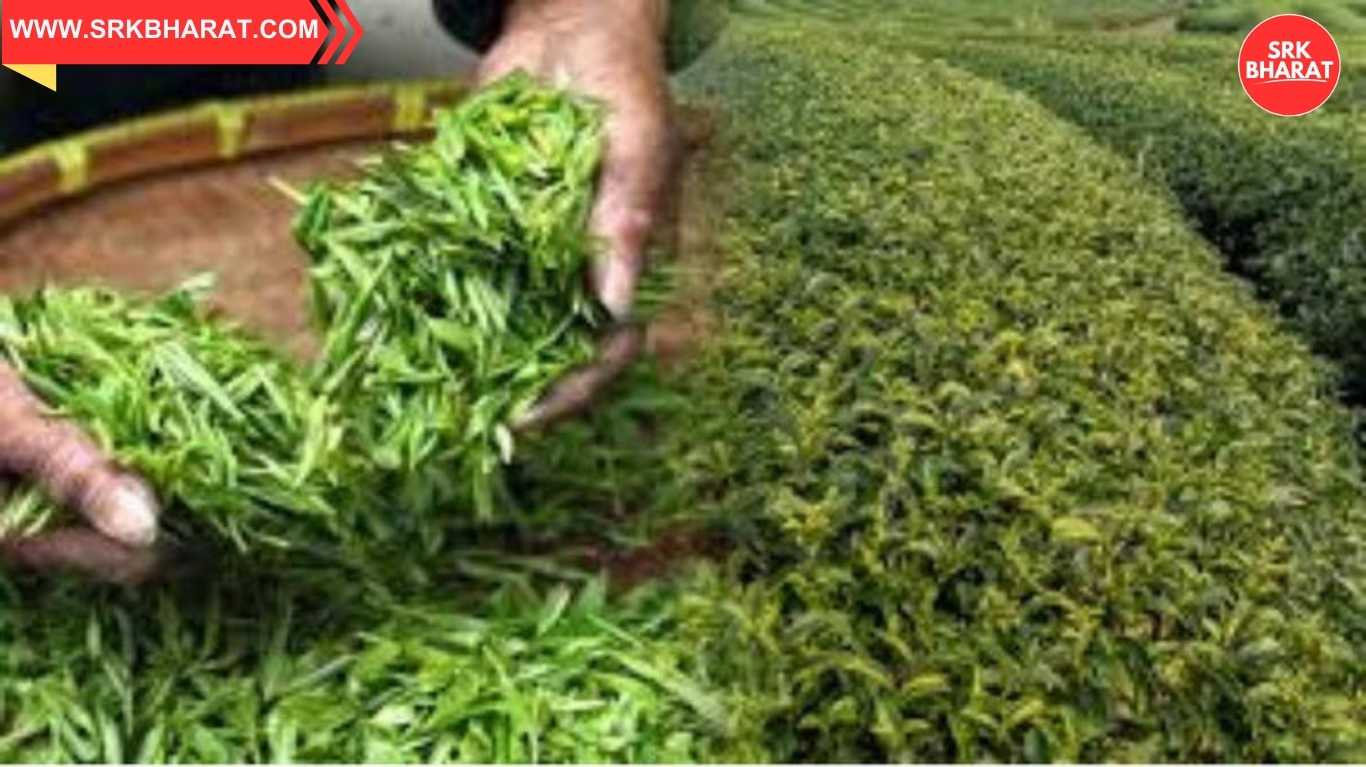
Assam’s tea industry has achieved a historic milestone, with exports rising by 40 million kilograms and production increasing by 50 million kilograms after a gap of 25 years. Chief Minister Himanta Biswa Sarma highlighted this achievement as a turning point for the state’s economy, underscoring Assam’s renewed dominance in the global tea market.
Background of Assam’s Tea Industry
- Assam is the world’s largest tea-growing region, contributing nearly half of India’s total tea output.
- The industry employs millions, directly and indirectly, across plantations, processing units, and exports.
- For decades, Assam tea has been renowned for its strong flavor and global demand, but challenges like fluctuating prices, climate change, and labor issues slowed growth.
Himanta Biswa Sarma’s Announcement
- The Chief Minister announced that Assam’s tea exports rose by 40 million kg in the past year.
- Production also increased by 50 million kg, marking the highest growth in decades.
- He emphasized that this achievement reflects improved policies, better management, and global demand recovery.
Comparative Growth in Tea Production and Exports
| Year/Period | Production (Million Kg) | Exports (Million Kg) | Key Notes |
|---|---|---|---|
| 2000–2005 | 450 | 180 | Decline due to global competition |
| 2010–2015 | 480 | 190 | Stable but limited growth |
| 2020–2024 | 500 | 200 | Climate challenges, pandemic impact |
| 2025 (Latest) | 550 | 240 | 50 million kg production rise, 40 million kg export surge |
This table shows how Assam’s tea industry has rebounded after years of stagnation, with 2025 marking a record-breaking year.
Factors Behind the Growth
- Government Support: Policy reforms and subsidies for tea growers.
- Global Demand: Rising demand for Assam tea in Europe, the Middle East, and North America.
- Quality Improvements: Better processing techniques and branding initiatives.
- Labor Reforms: Efforts to improve wages and working conditions in tea estates.
Impact on Assam’s Economy
- Revenue Boost: Increased exports bring higher foreign exchange earnings.
- Employment: Expansion in production creates more jobs in plantations and processing units.
- Global Recognition: Assam tea strengthens its position as a premium global product.
- Rural Development: Tea industry growth supports infrastructure and community welfare in rural areas.
Challenges Ahead
Despite the success, Assam’s tea industry faces ongoing challenges:
- Climate Change: Erratic rainfall and rising temperatures affect yields.
- Labor Issues: Strikes and demands for higher wages remain frequent.
- Global Competition: Countries like Kenya and Sri Lanka continue to compete in international markets.
- Sustainability: Need for eco-friendly practices to ensure long-term growth.
Conclusion
Assam’s tea industry has scripted a remarkable success story, with exports rising by 40 million kg and production increasing by 50 million kg after 25 years. Chief Minister Himanta Biswa Sarma’s announcement reflects the resilience of the sector and its potential to drive economic growth.
The achievement is not just about numbers—it represents Assam’s renewed global presence, the empowerment of millions of workers, and the promise of sustainable growth in the years ahead.
Disclaimer
This article is based on publicly available information and journalistic analysis of Assam’s tea industry and the Chief Minister’s announcement. It is intended for informational purposes only and does not represent insider accounts or official government documents. Readers should view this as a balanced overview of the situation.