




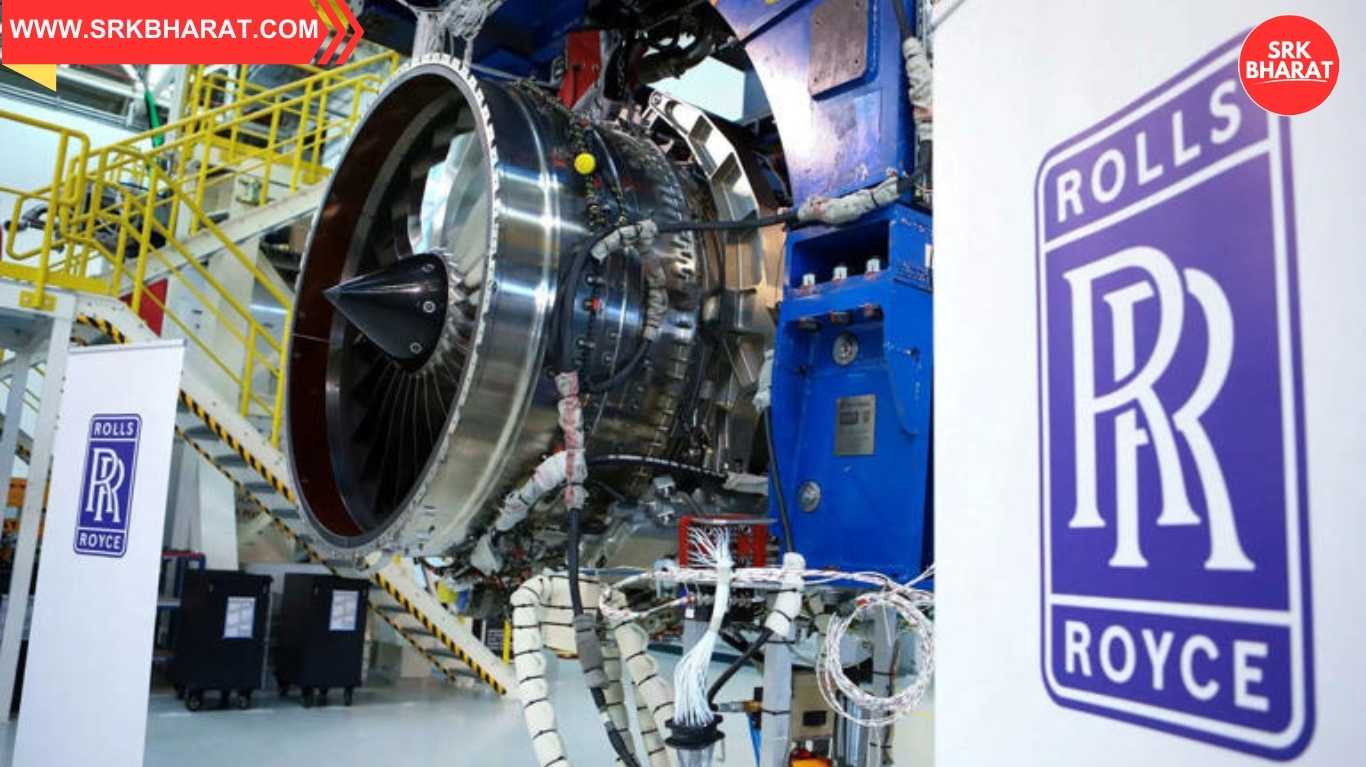
Rolls-Royce has announced a landmark roadmap for India’s defence and aerospace sector, offering co-development of next-generation fighter jet engines with full intellectual property (IP) rights. This unprecedented proposal signals a new era of collaboration between India and one of the world’s leading aerospace companies, potentially transforming India’s defence manufacturing capabilities and strengthening its strategic autonomy.
Background of the Announcement
- Rolls-Royce has long been a partner in India’s defence ecosystem, supplying engines for aircraft and naval platforms.
- The new roadmap emphasizes co-development rather than mere supply, ensuring India gains technological ownership.
- Full IP rights mean India would have complete control over design, production, and future upgrades of the engines.
Strategic Importance for India
- Self-Reliance: Aligns with India’s “Atmanirbhar Bharat” initiative to reduce dependence on foreign defence imports.
- Technology Transfer: Provides access to cutting-edge aerospace technology.
- Global Standing: Positions India as a co-owner of advanced fighter jet engine technology.
- Operational Edge: Enhances India’s air force capabilities with next-gen propulsion systems.
Comparative Analysis of Defence Collaborations
| Country Partner | Collaboration Type | IP Rights Status | Impact on India |
|---|---|---|---|
| Russia | Joint production (Su-30 MKI) | Limited IP rights | Operational capability, but dependence on Russia |
| France (Dassault) | Rafale acquisition | No IP rights | Advanced aircraft, but limited tech transfer |
| USA (GE Engines) | Licensed production | Partial IP rights | Access to technology, but restricted ownership |
| UK (Rolls-Royce) | Co-development offer | Full IP rights | Strategic autonomy, long-term capability |
This comparison highlights why Rolls-Royce’s offer is considered groundbreaking—it provides India with full ownership of critical defence technology.
Economic and Industrial Impact
- Manufacturing Boost: Co-development will create jobs and strengthen India’s aerospace industry.
- Export Potential: India could export engines or aircraft powered by them to friendly nations.
- Skill Development: Engineers and scientists will gain expertise in advanced propulsion systems.
- Supply Chain Growth: Indian companies will be integrated into global aerospace supply chains.
Challenges Ahead
- Financial Investment: Co-development requires significant funding and long-term commitment.
- Technical Complexity: Fighter jet engines are among the most advanced engineering systems.
- Geopolitical Sensitivity: Such collaborations may attract scrutiny from rival nations.
- Implementation: Ensuring smooth collaboration between Indian agencies and Rolls-Royce.
Conclusion
Rolls-Royce’s mega roadmap for India, offering co-development of next-generation fighter jet engines with full IP rights, marks a historic opportunity for India’s defence sector. It represents a shift from dependency to ownership, aligning with India’s vision of self-reliance and global leadership in aerospace technology.
If successfully implemented, this collaboration could redefine India’s defence capabilities, boost its economy, and establish it as a hub for advanced aerospace innovation.
Disclaimer
This article is based on publicly available information and journalistic analysis of Rolls-Royce’s announcement regarding India’s defence collaboration. It is intended for informational purposes only and does not represent insider accounts or official government documents. Readers should view this as a balanced overview of the situation.