




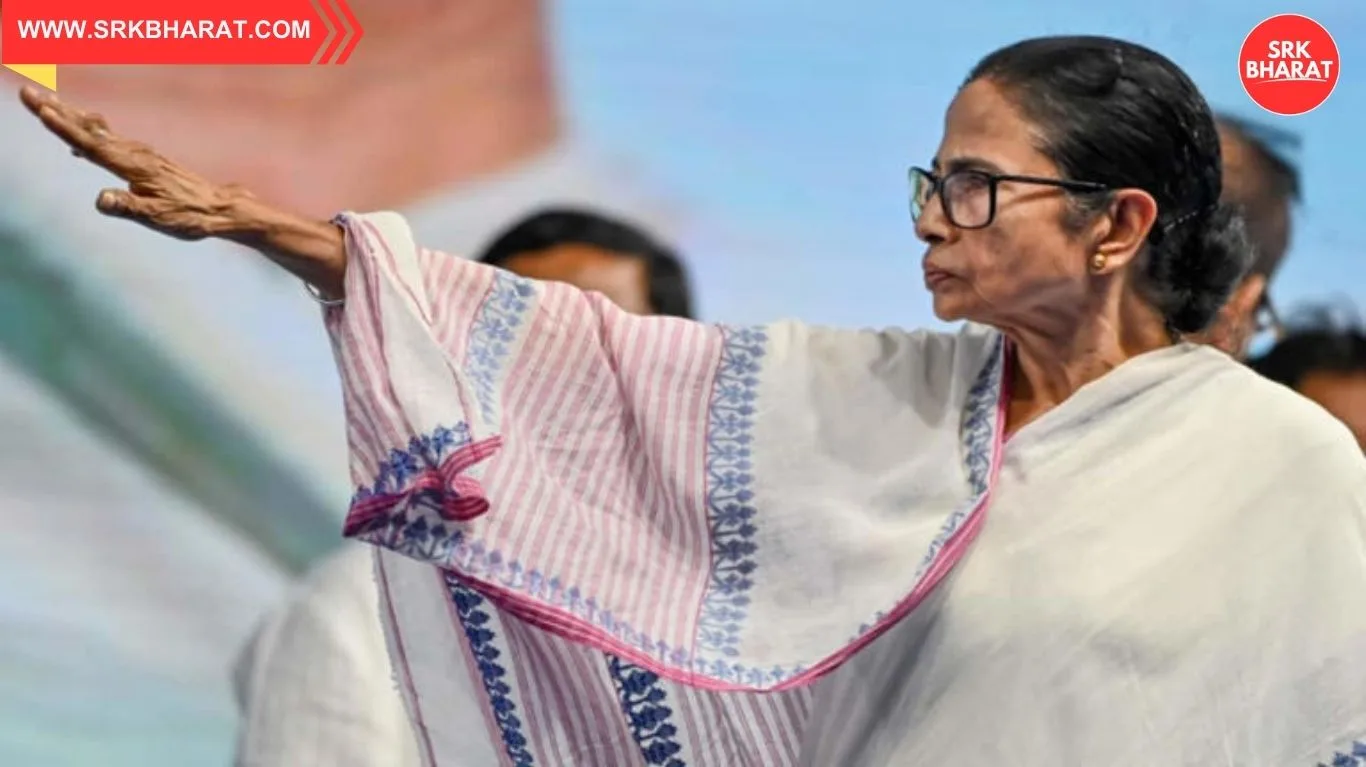
West Bengal Chief Minister Mamata Banerjee has announced the advancement of the launch of the Banglar Yuva Sathi scheme, a flagship initiative aimed at empowering the state’s youth. Under this program, eligible young beneficiaries will receive a monthly allowance of Rs 1,500, designed to provide financial support, encourage skill development, and promote self-reliance. The announcement has generated significant attention, positioning the scheme as a cornerstone of the state’s welfare agenda.
Background of the Scheme
The Banglar Yuva Sathi scheme was conceptualized to address challenges faced by young people in West Bengal, including:
- Unemployment: Providing financial assistance to bridge gaps until job opportunities arise.
- Skill Development: Supporting youth in pursuing vocational courses and training.
- Social Empowerment: Ensuring financial independence for marginalized sections.
- Inclusive Growth: Extending benefits to rural and urban youth alike.
By advancing the launch, Mamata Banerjee has signaled urgency in addressing youth concerns, particularly in the run-up to political and economic transitions in the state.
Key Features of Banglar Yuva Sathi
- Monthly Allowance: Rs 1,500 for eligible youth.
- Eligibility Criteria: Focused on unemployed youth, students, and those seeking skill development.
- Implementation: Direct benefit transfer to ensure transparency.
- Coverage: Statewide, with emphasis on rural and semi-urban areas.
Comparative Analysis of Youth Welfare Schemes
| State | Scheme Name | Benefit | Target Group |
|---|---|---|---|
| West Bengal | Banglar Yuva Sathi | Rs 1,500 monthly allowance | Unemployed youth |
| Andhra Pradesh | YSR Cheyutha | Financial aid for women | Rural women |
| Delhi | Rozgar Budget Initiatives | Job creation programs | Urban youth |
| Tamil Nadu | Skill Development Mission | Training and placement | Students and job seekers |
West Bengal’s scheme stands out for its direct monthly allowance, offering immediate relief to beneficiaries.
Political and Public Reactions
- Government Leaders: Praised the scheme as a bold step toward youth empowerment.
- Opposition Parties: Questioned the sustainability of monthly allowances, calling for long-term job creation.
- Civil Society: Welcomed the initiative but emphasized the need for skill-based employment.
- Public Sentiment: Youth expressed optimism, viewing the scheme as a lifeline during uncertain times.
Broader Implications
The scheme carries significant implications for West Bengal’s socio-economic landscape:
- Youth Empowerment: Financial independence fosters confidence and self-reliance.
- Economic Boost: Increased spending power among youth can stimulate local economies.
- Political Impact: Strengthens Mamata Banerjee’s image as a pro-youth leader.
- Social Equity: Ensures marginalized communities benefit from state support.
Challenges Ahead
- Ensuring timely disbursement of allowances.
- Preventing misuse or fraudulent claims.
- Balancing welfare spending with fiscal sustainability.
- Creating pathways from allowances to long-term employment.
Conclusion
The advancement of the Banglar Yuva Sathi scheme by Mamata Banerjee marks a significant milestone in West Bengal’s welfare agenda. By offering Rs 1,500 monthly to youth, the scheme addresses immediate financial concerns while laying the foundation for broader empowerment. As implementation begins, its success will depend on transparency, efficiency, and integration with skill development and employment initiatives.
Disclaimer
This article is based on publicly available information and official statements. It does not endorse or oppose any political party or viewpoint. The purpose is to provide balanced reporting and contextual analysis of the Banglar Yuva Sathi scheme. Readers are advised to follow official updates for verified details.