



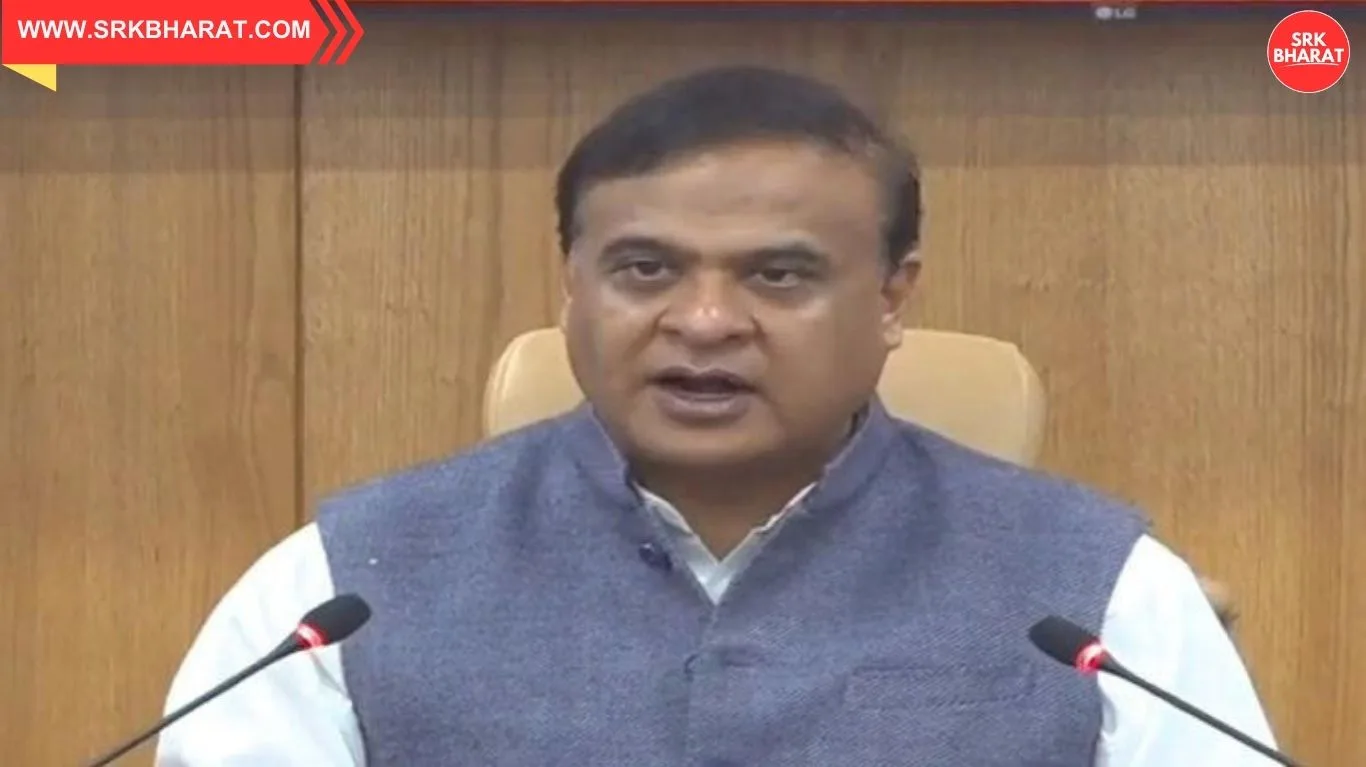
Assam Chief Minister Himanta Biswa Sarma has announced the ambitious ₹22,864 crore Silchar–Shillong–Guwahati high-speed corridor project, which is expected to transform connectivity across the Northeast. The project, seen as a game-changer for regional infrastructure, will link three major hubs—Silchar, Shillong, and Guwahati—through a modern high-speed corridor. Prime Minister Narendra Modi is scheduled to lay the foundation stone in March, underscoring the central government’s commitment to boosting infrastructure in the region.
Key Highlights
- Project Cost: ₹22,864 crore allocated for the corridor.
- Connectivity: Links Silchar, Shillong, and Guwahati with high-speed infrastructure.
- Foundation Stone: To be laid by PM Modi in March.
- Economic Impact: Expected to boost trade, tourism, and employment.
- Strategic Importance: Enhances Northeast’s integration with national growth plans.
Why the Corridor Matters
- Regional Connectivity: Bridges key economic and cultural hubs in Assam and Meghalaya.
- Economic Growth: Facilitates faster movement of goods and people.
- Tourism Boost: Easier access to scenic destinations in the Northeast.
- Strategic Positioning: Strengthens India’s Act East policy by improving links to Southeast Asia.
Comparative Analysis: Major Infrastructure Projects in Northeast
| Project Name | Cost (₹ Crore) | States Covered | Strategic Impact |
|---|---|---|---|
| Silchar–Shillong–Guwahati Corridor | 22,864 | Assam, Meghalaya | High-speed connectivity, trade boost |
| Bogibeel Bridge | 5,900 | Assam | Rail-road bridge, defense logistics |
| Agartala–Akhaura Rail Link | 1,000+ | Tripura | Cross-border trade with Bangladesh |
| East-West Corridor | 8,000+ | Assam, Nagaland | Road connectivity, regional trade |
This comparison shows the Silchar–Shillong–Guwahati corridor as one of the most expensive and strategically significant projects in the Northeast.
Pivot Analysis: Stakeholder Perspectives
| Stakeholder | Position on Corridor | Impact |
|---|---|---|
| Assam Government | Positive | Boosts state economy and connectivity |
| Central Government | Supportive | Reinforces Act East policy |
| Local Communities | Encouraged | Anticipate jobs and better transport |
| Businesses | Optimistic | Faster logistics and trade opportunities |
| Environmentalists | Watchful | Concerned about ecological impact |
The pivot analysis highlights broad optimism, though environmental concerns remain a point of discussion.
Benefits of the Corridor
- Job Creation: Thousands of direct and indirect employment opportunities.
- Trade Facilitation: Faster transport of agricultural and industrial goods.
- Tourism Growth: Easier access to Shillong and Guwahati’s cultural hubs.
- Regional Integration: Strengthens Northeast’s role in India’s economic map.
Challenges Ahead
- Environmental Concerns: Construction may impact fragile ecosystems.
- Funding and Execution: Ensuring timely completion of such a large-scale project.
- Community Engagement: Addressing displacement and land acquisition issues.
- Maintenance: Long-term sustainability of high-speed infrastructure.
Broader Context
- Act East Policy: Corridor aligns with India’s strategy to connect with Southeast Asia.
- National Infrastructure Push: Part of broader investments in highways, railways, and airports.
- Regional Development: Northeast positioned as a gateway for trade and tourism.
- Political Significance: Foundation stone laying by PM Modi signals strong central support.
Conclusion
The announcement of the ₹22,864 crore Silchar–Shillong–Guwahati high-speed corridor marks a turning point in Northeast India’s infrastructure development. With Prime Minister Modi set to lay the foundation stone in March, the project promises to boost connectivity, trade, tourism, and employment across Assam and Meghalaya. While challenges such as environmental concerns and execution timelines remain, the corridor is poised to reshape the economic landscape of the region and strengthen India’s strategic positioning.
Disclaimer
This article is intended for informational purposes only. It provides an overview of the Silchar–Shillong–Guwahati high-speed corridor project and its implications for regional development. It does not constitute financial, political, or investment advice. Readers should rely on official government communications for verified updates.