

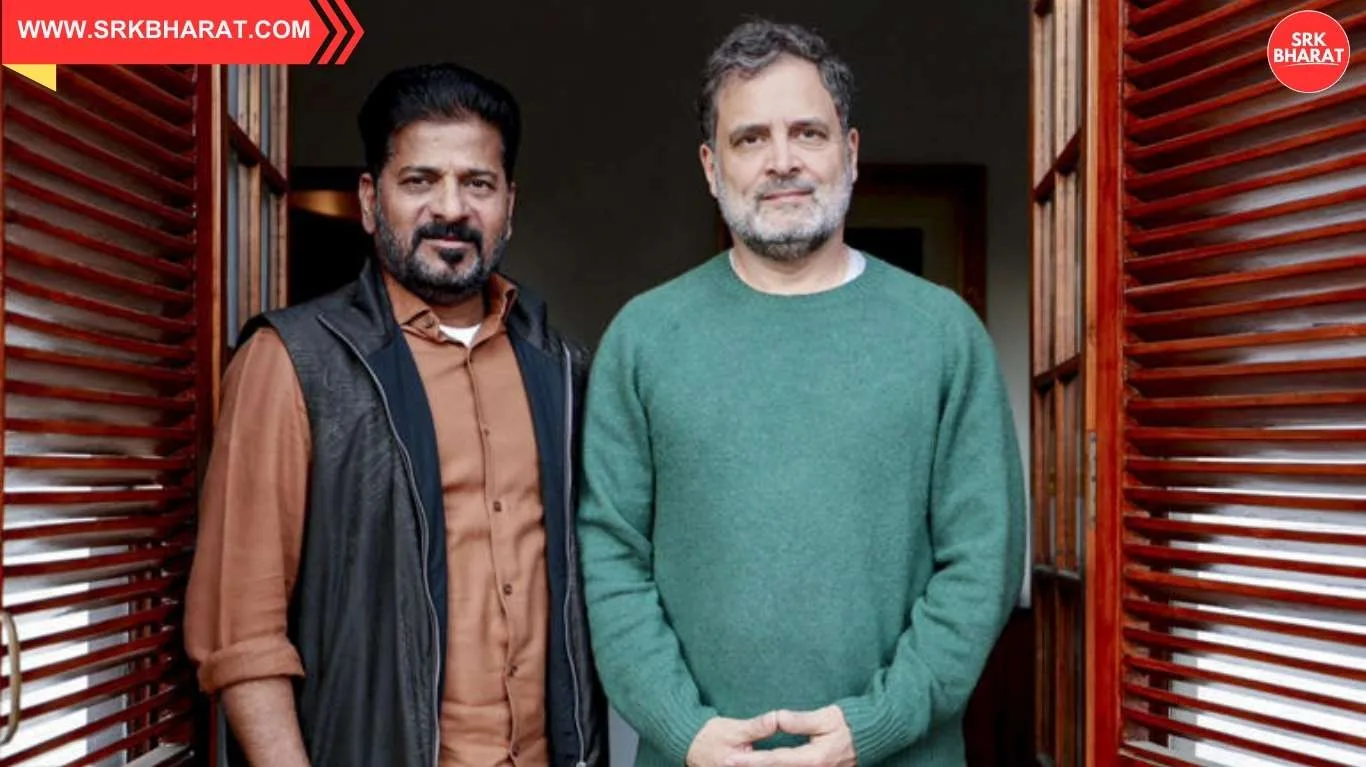
The Indo-US trade deal has sparked a fresh political storm in India, with Telangana Chief Minister Revanth Reddy asserting that Rahul Gandhi is the only leader standing firmly with farmers. He alleged that the agreement could adversely impact agricultural interests, claiming that Congress is the sole party defending farmers’ rights. In response, Union Minister Kishan Reddy from the BJP hit back, accusing the Congress of politicizing trade issues and misleading farmers for electoral gains.
Key Highlights
- Telangana CM’s Statement: Revanth Reddy says Rahul Gandhi is the only leader supporting farmers against Indo-US deal.
- Criticism of Trade Pact: Allegations that the deal undermines agricultural interests.
- BJP’s Response: Kishan Reddy accuses Congress of spreading misinformation.
- Political Context: Debate intensifies ahead of upcoming elections.
- Public Impact: Farmers’ groups closely watching the developments.
Why the Indo-US Deal Is Controversial
- Agricultural Concerns: Fear of cheaper imports affecting local farmers.
- Trade Balance: Questions over whether India gains enough from the pact.
- Political Narrative: Congress framing itself as defender of farmers.
- Government Position: BJP insists the deal benefits India’s economy overall.
Comparative Analysis: Political Positions on Indo-US Deal
| Party/Leader | Position on Deal | Key Argument | Impact on Farmers |
|---|---|---|---|
| Congress (Rahul Gandhi, Revanth Reddy) | Critical | Deal undermines farmers | Farmers’ interests at risk |
| BJP (Kishan Reddy) | Supportive | Trade pact boosts economy | Farmers will benefit indirectly |
| Farmers’ Groups | Divided | Some skeptical, others hopeful | Await clarity on terms |
| Analysts | Mixed | Economic boost vs sectoral risks | Long-term impact uncertain |
This comparison shows how political parties are framing the Indo-US deal differently, with farmers caught in the middle of the debate.
Pivot Analysis: Stakeholder Perspectives
| Stakeholder | Position on Debate | Impact |
|---|---|---|
| Telangana CM | Critical | Positions Congress as farmers’ ally |
| Rahul Gandhi | Supportive of farmers | Strengthens pro-farmer image |
| Kishan Reddy (BJP) | Defensive | Counters Congress narrative |
| Farmers’ Groups | Concerned | Fear competition from imports |
| Public Analysts | Neutral | Assessing economic vs political impact |
The pivot analysis highlights how the debate is shaping political narratives, with Congress focusing on farmers and BJP emphasizing economic growth.
Benefits of Indo-US Deal (Government Perspective)
- Market Access: Indian goods gain entry into US markets.
- Technology Transfer: Collaboration in advanced sectors.
- Economic Growth: Boosts exports and investments.
- Global Positioning: Strengthens India’s role in global trade.
Risks Highlighted by Opposition
- Agricultural Imports: Risk of cheaper US products hurting Indian farmers.
- Policy Dependence: Fear of India compromising on domestic priorities.
- Economic Inequality: Benefits may not reach grassroots level.
- Political Fallout: Farmers’ dissatisfaction could impact elections.
Broader Context
- Global Trade Shifts: Nations seeking stronger bilateral deals post-pandemic.
- India’s Strategy: Balancing economic growth with domestic sector protection.
- Political Narrative: Congress vs BJP framing deal differently for electoral advantage.
- Farmers’ Role: Agricultural sector remains politically sensitive in India.
Conclusion
The Indo-US trade deal has become a flashpoint in Indian politics, with Telangana CM Revanth Reddy declaring Rahul Gandhi as the only leader standing for farmers, while BJP’s Kishan Reddy hit back, accusing Congress of misleading the public. The debate reflects deeper tensions between economic liberalization and agricultural protection, with farmers’ groups awaiting clarity on how the deal will affect them. As elections approach, the issue is likely to remain central to political discourse.
Disclaimer
This article is intended for informational purposes only. It provides an overview of political reactions to the Indo-US trade deal and its implications for farmers. It does not constitute political, financial, or investment advice. Readers should rely on official communications for verified updates.