


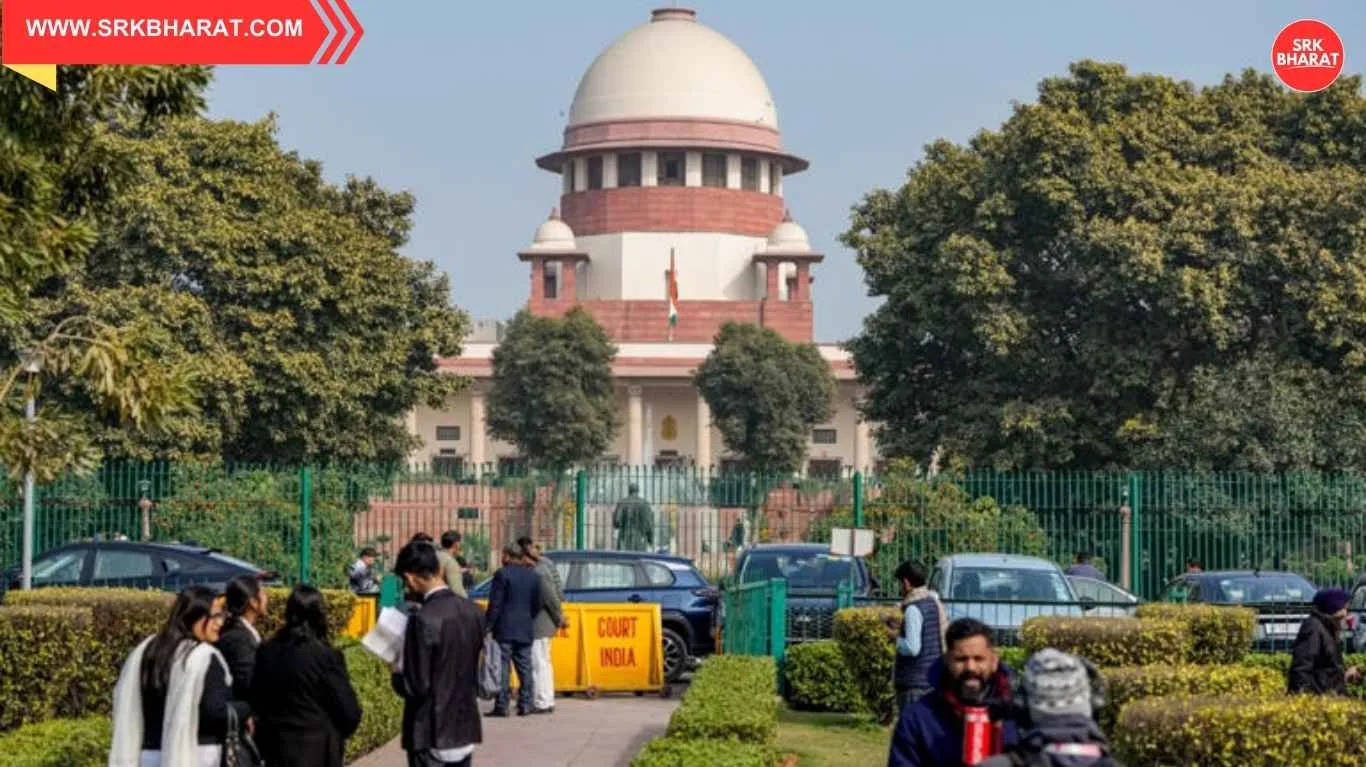
The Supreme Court of India has strongly criticized the growing trend of distributing pre-poll freebies by state governments, warning that such practices could severely hamper the country’s economic development. The apex court observed that while welfare measures aimed at uplifting the poor are understandable, indiscriminate largesse such as free electricity, food, cycles, and other benefits to all citizens regardless of financial status places an unsustainable burden on public finances.
Key Observations by the Supreme Court
- Economic Strain: Freebies announced without structured planning strain state budgets and disrupt fiscal discipline.
- Development Hampered: The court noted that large-scale freebies divert resources away from long-term development projects such as infrastructure, healthcare, and education.
- Policy Reforms Needed: States were urged to revisit their welfare policies and focus on structured unemployment support and job creation instead of blanket giveaways.
- Tamil Nadu Case Highlighted: The court specifically questioned Tamil Nadu’s proposal to provide free electricity to all consumers, citing the financial stress on power distribution companies.
Comparative Analysis of Freebie Culture
| State | Recent Freebie Announcements | Court’s Concern | Suggested Alternative |
|---|---|---|---|
| Tamil Nadu | Free electricity for all households | Strain on DISCOMs, fiscal imbalance | Targeted subsidies for poor |
| Delhi | Free water and electricity up to certain limits | Budgetary stress, populist measures | Structured welfare with caps |
| Punjab | Free power for farmers | Rising debt burden | Investment in irrigation efficiency |
| Andhra Pradesh | Cash transfer schemes | Fiscal deficit concerns | Skill development programs |
Impact on Development
- Infrastructure Delays: Funds diverted to freebies reduce investments in roads, transport, and housing.
- Education & Healthcare: Long-term social sectors suffer when budgets are consumed by short-term populist measures.
- Investor Confidence: Fiscal instability discourages private investment, affecting growth prospects.
- Employment Generation: Freebies often replace structured job creation programs, leaving youth without sustainable opportunities.
Analytical Perspective
The Supreme Court’s remarks highlight a critical tension in Indian governance: balancing welfare with fiscal responsibility. While targeted welfare schemes for the poor are essential, blanket freebies risk undermining economic stability. The court’s intervention could push states to adopt structured welfare programs that prioritize employment, skill development, and sustainable growth over populist giveaways.
Disclaimer
This article is a synthesized news analysis based on publicly available judicial observations and reports. It is intended for informational purposes only and does not represent official government or court statements. Readers are advised to consult verified legal updates for formal judgments and policy changes.