



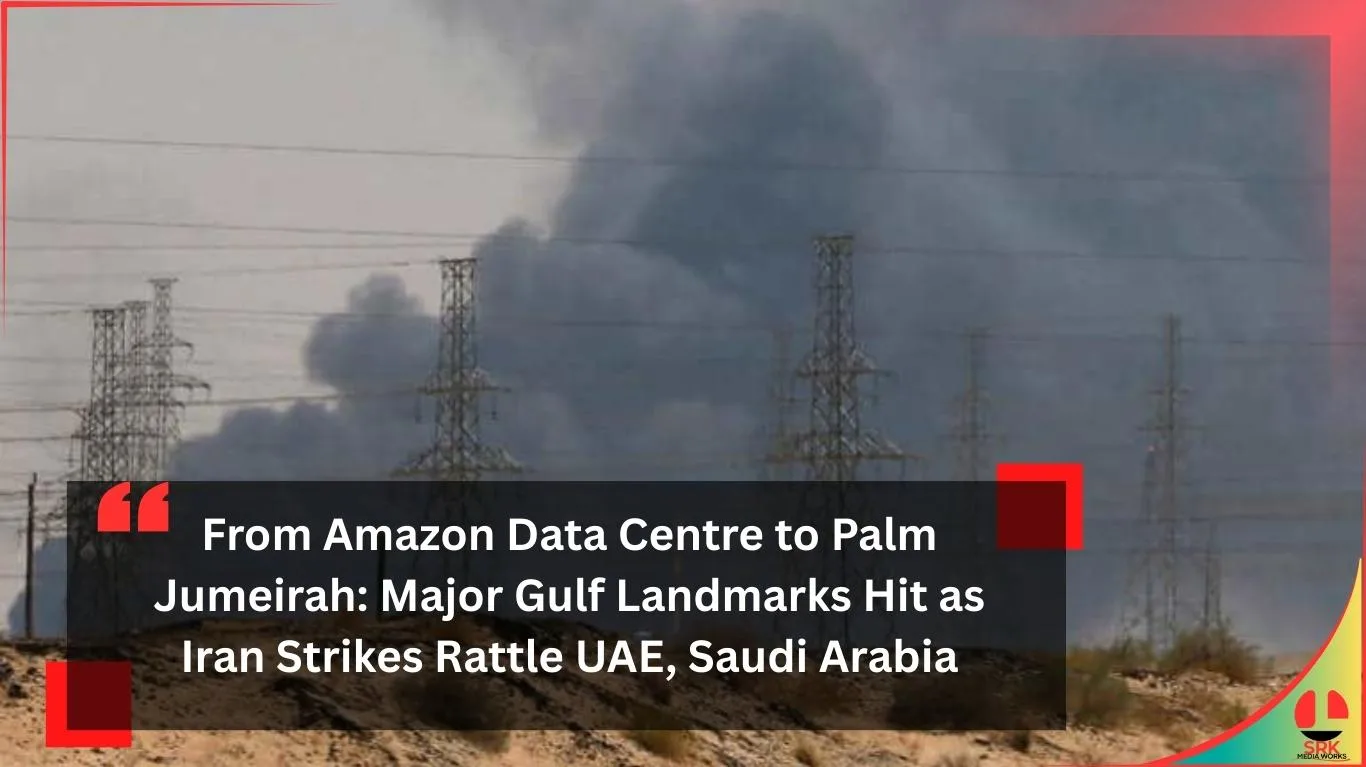
In a dramatic escalation of regional hostilities, Iran launched missile strikes targeting key Gulf landmarks, including an Amazon data centre in the UAE, the iconic Palm Jumeirah in Dubai, and critical energy infrastructure in Saudi Arabia. The attacks have sent shockwaves across the Middle East, raising concerns about regional stability, global energy security, and the vulnerability of high-profile commercial and civilian hubs.
Background of the Strikes
- Amazon Data Centre: A strategic target, the strike disrupted cloud services and highlighted the vulnerability of digital infrastructure in conflict zones.
- Palm Jumeirah: The attack on Dubai’s luxury residential and tourism landmark symbolized Iran’s intent to strike at both economic and cultural icons.
- Saudi Energy Facilities: Strikes on oil refineries and energy hubs underscored Iran’s ability to threaten global oil supply chains.
- Regional Context: The strikes come amid heightened tensions between Iran and Gulf states, with accusations of proxy conflicts and military provocations.
Strategic Importance of the Targets
| Target | Location | Strategic Value | Impact |
|---|---|---|---|
| Amazon Data Centre | UAE | Digital infrastructure, cloud services | Disruption of tech operations |
| Palm Jumeirah | Dubai | Tourism, luxury real estate | Symbolic and economic damage |
| Aramco Refinery | Saudi Arabia | Global oil supply | Threat to energy security |
| Civilian Airports | UAE & Saudi | Connectivity, trade | Travel disruptions, economic loss |
Iran’s Missile Arsenal and Capabilities
Iran’s missile program is among the most advanced in the region, with a diverse inventory of ballistic and cruise missiles.
Categories of Missiles
| Missile Type | Range | Examples | Purpose |
|---|---|---|---|
| Short-Range Ballistic Missiles (SRBM) | Up to 500 km | Fateh-110, Zelzal | Tactical strikes |
| Medium-Range Ballistic Missiles (MRBM) | 500–2,000 km | Shahab-3, Sejjil | Regional deterrence |
| Cruise Missiles | 200–1,500 km | Soumar, Hoveyzeh | Precision targeting |
| Anti-Ship Missiles | 200–700 km | Noor, Ghader | Naval confrontations |
Implications of the Strikes
- Regional Escalation: Strikes on high-profile landmarks risk widening the conflict.
- Economic Fallout: Disruption of oil facilities and tech hubs threatens global markets.
- Civilian Concerns: Attacks on tourism and residential landmarks raise fears of civilian casualties.
- Diplomatic Fallout: Heightened tensions may derail ongoing peace and security negotiations.
Public and Expert Reaction
- Governments: Condemned the strikes, calling for international intervention.
- Analysts: Warned that Iran’s missile capabilities pose a serious challenge to Gulf defense systems.
- Citizens: Expressed concern over safety, economic disruption, and the risk of prolonged conflict.
Lessons from the Incident
- Infrastructure Vulnerability: Both digital and physical landmarks are at risk in modern conflicts.
- Missile Defense Importance: Gulf states must strengthen defense systems to protect critical assets.
- Global Interdependence: Strikes on oil and tech hubs affect global supply chains.
- Diplomatic Engagement: Dialogue remains essential to prevent escalation.
Conclusion
Iran’s strikes on Amazon’s data centre, Palm Jumeirah, and Saudi energy facilities underscore the scale of its missile capabilities and its willingness to target both strategic and symbolic landmarks. The attacks highlight vulnerabilities in Gulf infrastructure and raise urgent questions about regional security, global energy stability, and the future of diplomatic engagement. As tensions mount, the path forward lies in defense preparedness, international cooperation, and renewed efforts to de-escalate hostilities.
Disclaimer
This article is based on publicly available information and aims to highlight Iran’s claimed strikes on Gulf landmarks and their implications. It does not intend to criticize or promote any individual, country, or organization. The content is for informational and educational purposes only, reflecting broader issues in security, diplomacy, and global stability.