

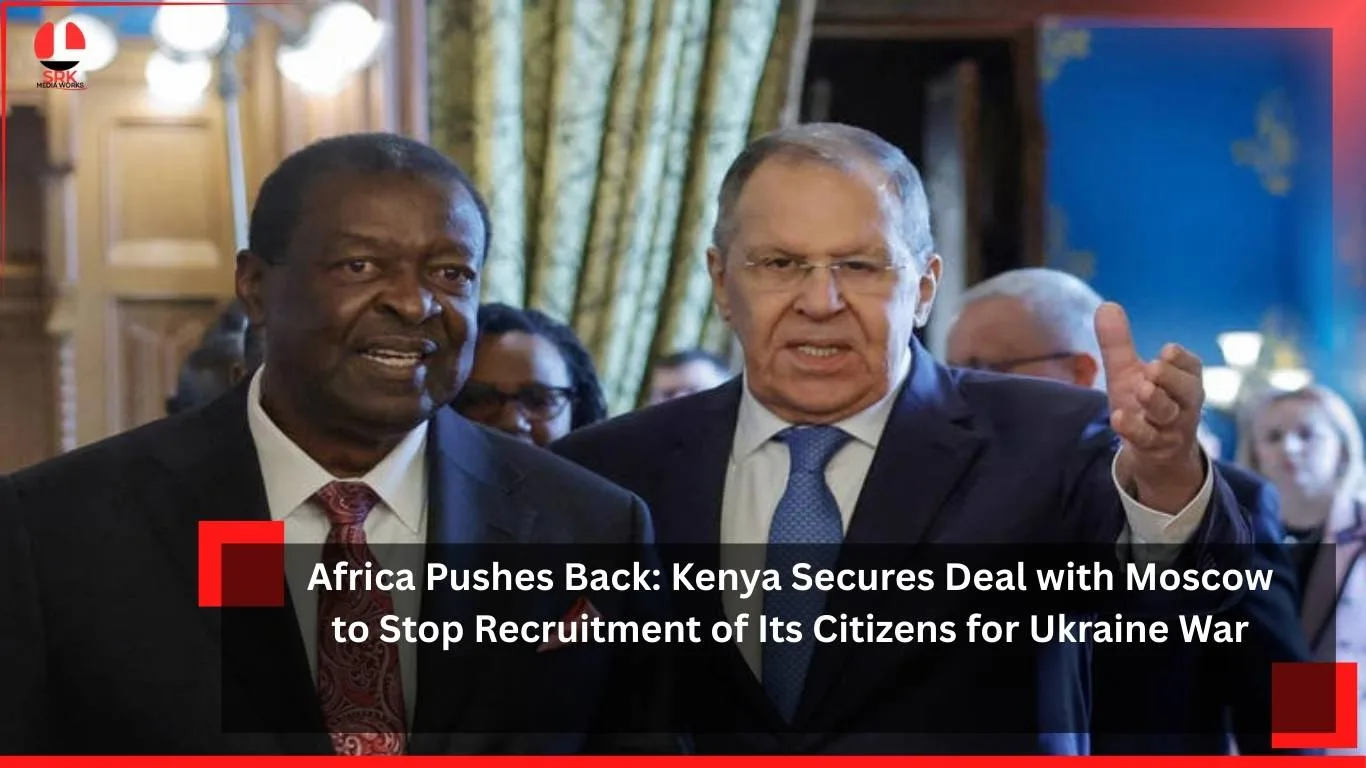
Kenya has reached a significant diplomatic agreement with Moscow to prevent the recruitment of its citizens for participation in the ongoing conflict in Ukraine. This development highlights Africa’s growing assertiveness in safeguarding its people from being drawn into foreign wars and reflects Nairobi’s determination to protect national sovereignty and human rights.
Background of the Agreement
Reports had surfaced that African nationals, including Kenyans, were being targeted for recruitment into military roles linked to the Ukraine war. Concerns grew that vulnerable populations were being exploited with promises of financial incentives or residency opportunities abroad.
Kenya’s government responded firmly, engaging Moscow in direct talks to safeguard its citizens. The resulting agreement marks a turning point in Africa’s diplomatic posture, signaling that African nations will not tolerate exploitation of their people in external conflicts.
Why This Development Matters
The deal demonstrates Kenya’s proactive stance in protecting its citizens and sets a precedent for other African nations. It also underscores Africa’s growing influence in global diplomacy, showing that governments are willing to challenge powerful states to defend their people.
This move may reshape perceptions of Africa’s role in international affairs, positioning the continent as a more assertive player in global security discussions.
Key Highlights
| Aspect | Details |
|---|---|
| Issue | Recruitment of African citizens for Ukraine war |
| Response | Kenya negotiated with Moscow |
| Outcome | Agreement to stop recruitment |
| Impact | Protection of citizens, diplomatic assertiveness |
| Regional Effect | Encourages other African nations to act |
Comparative Analysis of African Diplomatic Actions
| Country | Issue Addressed | Diplomatic Response | Outcome |
|---|---|---|---|
| Kenya | Recruitment for Ukraine war | Deal with Moscow | Recruitment halted |
| Nigeria | Cybersecurity threats | Bilateral talks with EU | Enhanced cooperation |
| South Africa | Trade disputes | Negotiations with BRICS partners | Improved trade terms |
| Ethiopia | Border tensions | Mediation with neighbors | Reduced conflict |
This comparison shows how African nations are increasingly using diplomacy to protect their interests and assert sovereignty.
Public Reactions
- Supporters: Praised Kenya for defending its citizens and standing firm against exploitation.
- Critics: Questioned whether the agreement will be fully enforced.
- Neutral Voices: Emphasized the importance of monitoring compliance and encouraging other nations to follow Kenya’s example.
Analytical Breakdown of Stakeholders
| Stakeholder | Position | Impact |
|---|---|---|
| Kenyan Government | Secured agreement | Protects citizens, boosts credibility |
| Moscow | Agreed to halt recruitment | Faces diplomatic pressure |
| African Citizens | Protected from exploitation | Increased trust in government |
| International Community | Observes closely | May influence global diplomacy |
| Regional Leaders | Encouraged by Kenya’s stance | Potential for similar actions |
Broader Impact on Global Politics
Kenya’s success in securing this deal highlights Africa’s evolving role in international relations. It demonstrates that African nations are no longer passive actors but are actively shaping global discussions on security and human rights.
The agreement also raises questions about how other African countries will respond to similar challenges, potentially leading to a collective pushback against exploitation of their citizens in foreign conflicts.
Conclusion
Kenya’s diplomatic achievement in halting the recruitment of its citizens for the Ukraine war represents a landmark moment in Africa’s assertion of sovereignty and protection of human rights. It underscores the continent’s growing influence in global affairs and sets a precedent for other nations to follow.
This development highlights the importance of proactive diplomacy in safeguarding citizens and reinforces Africa’s role as a rising force in international politics.
Disclaimer
This article is intended for informational purposes only and does not constitute political or strategic advice. The content is based on publicly available information and analysis at the time of writing. Readers are encouraged to consider multiple perspectives before forming conclusions on sensitive geopolitical issues.