

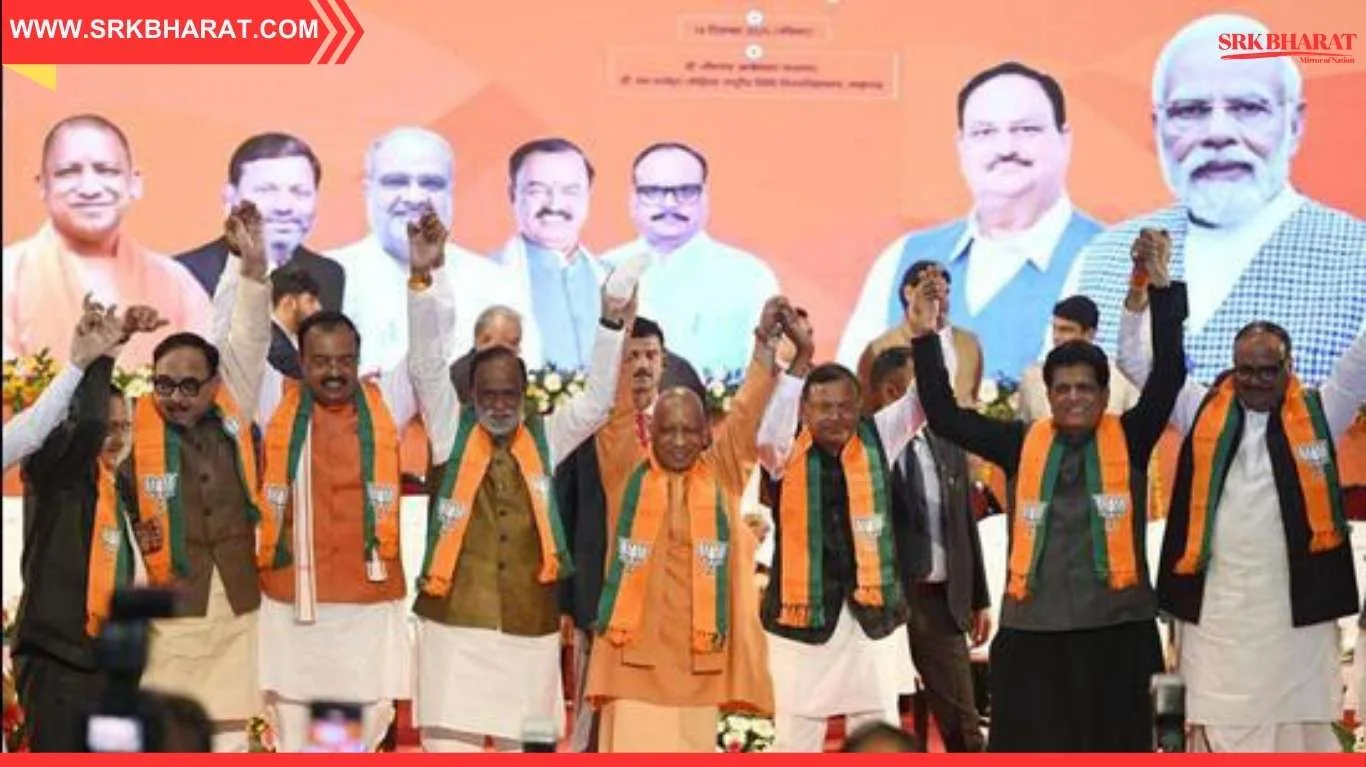
The political spotlight in Uttar Pradesh has shifted dramatically following the appointment of the new UP BJP president, with attention now turning to the vacant berths in Chief Minister Yogi Adityanath’s ministry. The reshuffle is expected to balance caste equations, regional representation, and political strategy ahead of the upcoming electoral battles. Party insiders suggest that the exercise will be crucial in strengthening the BJP’s organizational machinery and governance model in the state.
Background of the Appointment
- The appointment of the new UP BJP president marks a significant organizational change, aimed at energizing the party cadre.
- The move is seen as part of a larger strategy to prepare for the 2027 Assembly elections and the 2029 Lok Sabha polls.
- With the new leadership in place, the focus has shifted to filling ministerial vacancies in the Yogi Adityanath cabinet.
- The reshuffle is expected to reflect both political pragmatism and governance priorities.
Vacant Berths in Yogi Ministry
| Category | Number of Vacancies | Expected Focus |
|---|---|---|
| Cabinet Ministers | 3 | Senior leaders, caste balance |
| Ministers of State | 4 | Youth leaders, regional representation |
| Independent Charge | 2 | Specialized portfolios |
| Total | 9 | Comprehensive reshuffle |
The vacancies provide an opportunity to accommodate new faces, reward loyal workers, and strengthen the party’s hold across diverse constituencies.
Key Considerations for the Reshuffle
- Caste Balance: Ensuring representation of OBCs, Dalits, and upper castes remains a priority.
- Regional Representation: Leaders from eastern, western, and Bundelkhand regions are likely to be included.
- Youth and Women Leaders: The party may induct younger leaders and women to broaden appeal.
- Governance Needs: Portfolios related to infrastructure, education, and health are expected to be prioritized.
Political Strategy Behind the Move
| Strategy | Objective | Impact |
|---|---|---|
| Strengthening Organization | Align party and government leadership | Boosts cadre morale |
| Electoral Preparation | Address caste and regional equations | Enhances voter outreach |
| Rewarding Loyalty | Recognize dedicated workers | Ensures discipline and commitment |
| Governance Efficiency | Fill critical portfolios | Improves delivery of schemes |
BJP’s Larger Plan in Uttar Pradesh
- The reshuffle is part of a broader plan to consolidate BJP’s dominance in India’s most populous state.
- Uttar Pradesh remains central to national politics, contributing the highest number of Lok Sabha seats.
- The party aims to maintain its stronghold by combining governance with organizational strength.
- The new appointments will likely reflect a mix of political acumen and administrative expertise.
Expert Reactions
- Political analysts: Suggest that the reshuffle will be carefully calibrated to balance caste and regional dynamics.
- Party insiders: Indicate that loyal workers and rising stars will be rewarded with ministerial positions.
- Opposition leaders: Argue that the reshuffle is a political exercise aimed at electoral gains rather than governance.
- Public sentiment: Citizens expect the new ministers to focus on development, employment, and law and order.
Comparative Analysis: UP vs Other States
| State | Recent Reshuffle Focus | Similarities with UP |
|---|---|---|
| Uttar Pradesh | Caste balance, regional representation | Strong emphasis on electoral strategy |
| Gujarat | Youth leaders, governance efficiency | Similar focus on new faces |
| Maharashtra | Coalition dynamics, regional balance | Different due to alliance politics |
| Madhya Pradesh | Rewarding loyalty, caste equations | Comparable to UP’s approach |
Challenges Ahead
- Managing Expectations: Balancing demands from different caste and regional groups.
- Opposition Criticism: Countering narratives that reshuffle is politically motivated.
- Governance Delivery: Ensuring new ministers deliver on promises and schemes.
- Internal Dynamics: Maintaining unity within the party amid reshuffle pressures.
Lessons for Political Strategy
- Balance representation: Caste and regional equations remain central to Indian politics.
- Reward loyalty: Recognizing dedicated workers strengthens organizational discipline.
- Focus on governance: Effective delivery of schemes enhances credibility.
- Prepare for elections: Strategic reshuffles are essential for electoral success.
Broader Political Context
- Uttar Pradesh continues to be the epicenter of Indian politics, with every move closely watched.
- The BJP’s strategy reflects its intent to maintain dominance while addressing governance challenges.
- The reshuffle will set the tone for upcoming electoral battles, shaping both party organization and public perception.
- Opposition parties will likely use the reshuffle to critique BJP’s governance, making communication strategies vital.
Conclusion
The appointment of the new UP BJP president has shifted the political focus to filling vacant berths in the Yogi Adityanath ministry. The reshuffle is expected to balance caste equations, regional representation, and governance priorities, while preparing the party for future electoral challenges. As Uttar Pradesh remains central to India’s political narrative, the upcoming changes in the ministry will play a decisive role in shaping both governance and electoral outcomes.
Disclaimer
This article is intended for informational purposes only and does not constitute political advice. Cabinet reshuffles and party strategies are subject to change based on evolving circumstances, leadership decisions, and electoral dynamics. Readers are encouraged to follow official updates for accurate information. The author and publisher are not responsible for any decisions made based on this article.