
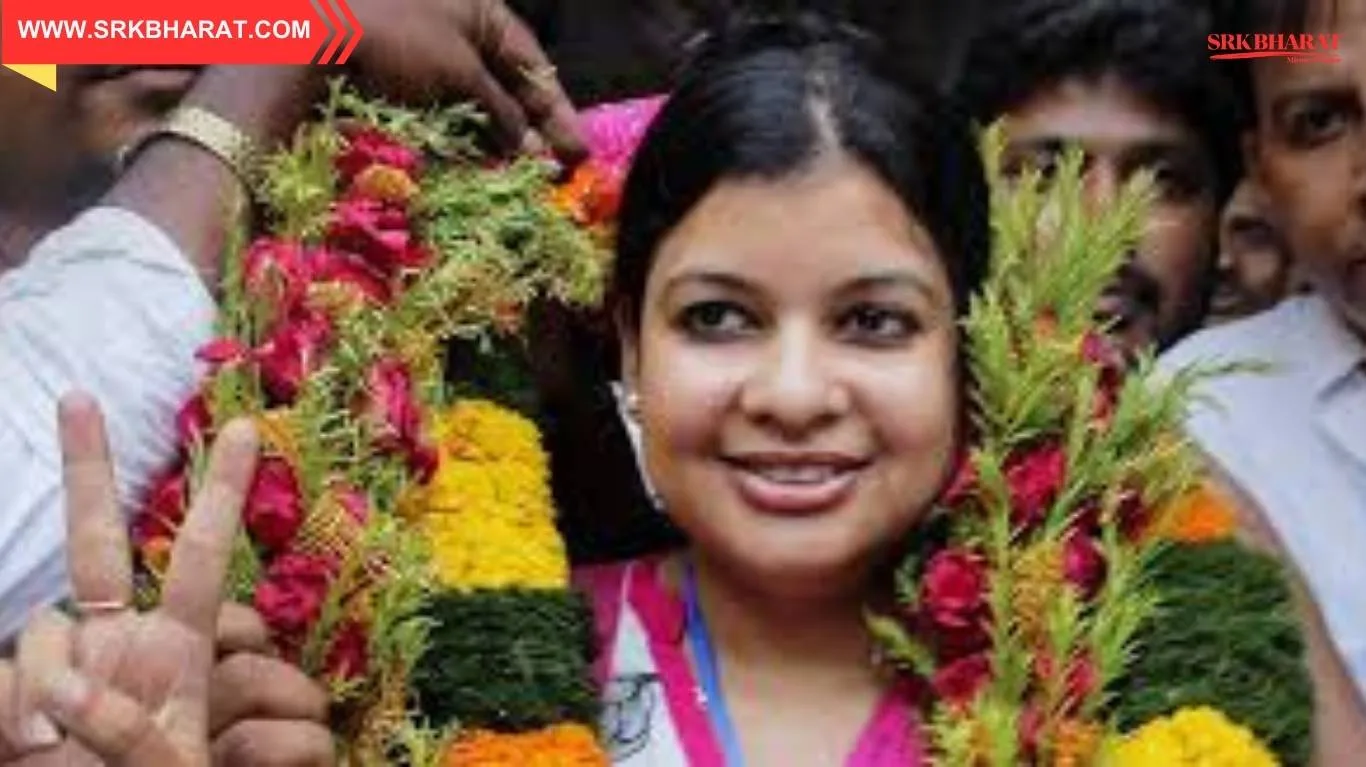
In a dramatic political development ahead of the crucial West Bengal Assembly elections, Mausam Noor, sitting Rajya Sabha MP from the Trinamool Congress (TMC), has resigned from the party and rejoined the Indian National Congress (INC). Her decision has created ripples across Bengal’s political landscape, with analysts debating its impact on the electoral arithmetic and the broader narrative of shifting loyalties in the state.
Background of Mausam Noor’s Political Journey
- Mausam Noor, niece of veteran Congress leader A.B.A. Ghani Khan Choudhury, began her political career with the Congress.
- She was elected as a Member of Parliament from Malda and later joined the TMC, aligning with Mamata Banerjee’s leadership.
- In 2019, she was nominated to the Rajya Sabha by the TMC, strengthening the party’s presence in Parliament.
- Her return to Congress ahead of the Bengal polls is seen as a significant symbolic move, reconnecting her with her family’s political legacy in Malda.
Key Highlights of the Move
| Indicator | Details |
|---|---|
| Leader Involved | Mausam Noor |
| Previous Party | Trinamool Congress (TMC) |
| Current Party | Indian National Congress (INC) |
| Position | Rajya Sabha MP |
| Timing | Ahead of Bengal Assembly elections |
| Impact | Shifts political equations in Malda and beyond |
Implications of Mausam Noor’s Return to Congress
| Factor | Positive Impact | Challenges | Long-Term Implication |
|---|---|---|---|
| Congress Strategy | Boosts morale and strengthens Malda base | Needs to consolidate alliances | Revives legacy of Ghani Khan Choudhury |
| TMC Position | Loss of a prominent face | Risk of factionalism | May weaken influence in Malda |
| Electoral Arithmetic | Alters vote share dynamics | Requires grassroots mobilization | Shapes outcome in key constituencies |
| Public Sentiment | Signals revival of Congress | Risk of confusion among voters | Builds narrative of shifting loyalties |
| National Politics | Highlights Congress’s attempts to regain ground | Limited impact beyond Bengal | Reinforces Congress’s role in opposition unity |
Why This Story Matters
- Symbolic Legacy: Mausam Noor’s return reconnects Congress with the Ghani Khan Choudhury family’s legacy in Malda.
- Electoral Impact: Her move could influence voter sentiment in Malda and surrounding districts.
- TMC’s Challenge: The loss of a Rajya Sabha MP reflects internal challenges for Mamata Banerjee’s party.
- Congress Revival: Signals Congress’s intent to regain lost ground in Bengal.
- National Narrative: Adds to the broader story of opposition realignment ahead of elections.
Mausam Noor’s Political Profile
| Attribute | Details |
|---|---|
| Name | Mausam Noor |
| Family Legacy | Niece of A.B.A. Ghani Khan Choudhury |
| Political Career Start | Indian National Congress |
| Shift to TMC | Joined Mamata Banerjee’s party, nominated to Rajya Sabha |
| Current Move | Returned to Congress ahead of Bengal polls |
Her political journey reflects the fluid nature of Bengal politics, where leaders often shift allegiances based on evolving electoral equations.
Expert Opinions
- Political Analysts: Suggest her return strengthens Congress’s presence in Malda but may not drastically alter statewide dynamics.
- Congress Leaders: Welcome her move as a morale booster for cadres.
- TMC Insiders: Downplay the impact, emphasizing the party’s strong grassroots presence.
- Critics: Argue that frequent party-switching erodes public trust in political leaders.
Challenges Ahead
- Congress Strategy: Must leverage Mausam Noor’s return to consolidate its base in Malda.
- TMC Response: Needs to manage internal morale and prevent further defections.
- Electoral Dynamics: Voters may be skeptical of shifting loyalties.
- Grassroots Mobilization: Both parties must strengthen their connect with local workers.
- Media Narrative: Managing perceptions will be crucial for both Congress and TMC.
Opportunities for Congress
- Revival in Malda: Strengthen its traditional stronghold with Mausam Noor’s presence.
- Symbolic Boost: Use her return to project unity and revival.
- Alliance Building: Collaborate with other opposition parties for electoral gains.
- Youth Engagement: Position Mausam Noor as a face of Congress’s new generation.
- Narrative Control: Highlight her return as a rejection of TMC’s leadership style.
Broader Context of Bengal Politics
- West Bengal’s political landscape is dominated by TMC, with BJP emerging as a strong challenger.
- Congress has struggled to maintain relevance, with defections weakening its base.
- Mausam Noor’s return is part of a broader trend of leaders reassessing their political alignments.
- The move underscores the fluidity of Bengal politics, where alliances and loyalties shift rapidly.
Public Sentiment
- Congress supporters in Malda welcomed her return enthusiastically.
- TMC cadres expressed disappointment but emphasized the party’s organizational strength.
- Neutral voters debated the credibility of frequent party-switching.
- Social media discussions reflected mixed reactions, with some praising her decision and others questioning motives.
Media Coverage
- News outlets highlighted the symbolic importance of her return to Congress.
- Analysts debated the impact on Malda’s electoral dynamics.
- Coverage emphasized the timing of the move ahead of Bengal polls.
- The story continues to dominate political discussions in West Bengal.
Conclusion
The resignation of Mausam Noor from TMC and her return to Congress ahead of Bengal polls is a significant political development. While its immediate impact may be localized to Malda, the symbolic importance of reconnecting with the Ghani Khan Choudhury legacy cannot be understated. For Congress, it represents an opportunity to revive its fortunes in Bengal, while for TMC, it is a reminder of the challenges of retaining leaders amid shifting political currents. The move adds another layer of intrigue to the upcoming elections, shaping narratives of loyalty, legacy, and revival.
Disclaimer
This article is intended for informational purposes only and does not constitute official endorsement or criticism. Political decisions, party strategies, and public sentiments are subject to change based on evolving circumstances. Readers are encouraged to follow official updates for accurate information. The author and publisher are not responsible for any decisions made based on this article.
открыть магазин низких цен в своём городе https://oneprice.shop/
http://www.google.gg/url?q=https://oneprice.shop
Когда сталкиваешься с утратой близкого человека, важно найти надежную ритуальные услуги минск, которая поможет организовать достойное прощание.
Это требует чуткого отношения и учета множества нюансов. В Минске представлен широкий спектр фирм, предлагающих ритуальные услуги, однако найти достойного подрядчика – может быть непростым делом.
Важно помнить, что стоимость ритуальных услуг подвержена колебаниям. Влияют на ценообразование выбранные ритуальные принадлежности, затраты на перевозку и иные параметры. Исходя из этого, целесообразно заранее уточнить все детали и ознакомиться с полным прайс-листом.
Выбор ритуального агентства: на что обратить внимание
Определяясь с ритуальной службой важно обратить внимание на репутацию компании. Просмотрите комментарии клиентов, посетите офис, чтобы сформировать личное мнение. Подтверждение квалификации и соответствия стандартам также играет существенную роль.
Убедитесь, что агентство предлагает комплексное обслуживание, а также помощь в получении свидетельств. Автомобили в собственности и ритуального зала для прощания – дополнительные преимущества.
Оформление документов и организация церемонии
Подготовка нужных бумаг – обязательный этап организации похорон. Ритуальное агентство. хлопоты и заботы.
Устройство похоронной процессии – важный этап, позволяющий достойно проводить усопшего. Определение места захоронения и формат церемонии.
Дополнительные услуги и поддержка
В дополнение к базовым ритуальные агентства как правило, предоставляют дополнительные услуги, такие как организация поминальных обедов. Психологическая поддержка также может оказаться необходимой.
Важно помнить, что похоронный процесс – является делом личным. Выбирайте агентстве, наиболее широкий перечень услуг и окажет необходимую поддержку.
**Спин-шаблон:**
“`
Организация похорон – сложный и деликатный процесс. и рассмотрения большого числа аспектов. В Минске существует множество компаний, предлагающих ритуальные услуги, однако найти достойного подрядчика – задача не из легких.
Важно помнить, что стоимость ритуальных услуг может существенно варьироваться. На цену влияют выбранные ритуальные принадлежности, затраты на перевозку и иные параметры. Исходя из этого, целесообразно заранее уточнить все детали и получить подробную смету.
Как выбрать ритуальное агентство: важные критерии важно обратить внимание на ее положение на рынке. Просмотрите комментарии клиентов, поговорите с представителями, чтобы составить собственное впечатление. Подтверждение квалификации и соответствия стандартам также имеет немаловажное значение.
Удостоверьтесь, что агентство предоставляет полный спектр услуг, а также помощь в получении свидетельств. Наличие собственного транспорта и помещения для проведения церемонии – дополнительные преимущества.
Оформление необходимых документов – важная составляющая организации похорон. может взять на себя. Это упростит.
Проведение траурного мероприятия – важный этап, позволяющий достойно проводить усопшего. Выбор места проведения и членов семьи и друзей.
Помимо основных услуг ритуальные агентства часто предлагают дополнительные услуги, в частности, проведение поминальной трапезы. Психологическая поддержка также в тяжелое время.
Важно помнить, что похоронный процесс – требует индивидуального подхода. Отдавайте предпочтение агентстве, способном предложить и окажет всестороннюю помощь.
“`
Для получения информации о заявление на выплату пособия на погребение по месту работы умершего, следует обратиться к официальным источникам или соответствующим государственным службам.
В Минске предусмотрена финансовая помощь на погребение, которая помогает семьям в трудное время .
Это пособие предназначено для помощи родственникам усопшего в покрытии расходов на похороны .
Каждый заявитель должен предоставить определенный перечень документов для оформления выплаты.
Чтобы оформить пособие, нужно собрать все необходимые документы заранее .
Важно ознакомиться с актуальными нормативами, чтобы знать примерный размер выплаты.
Обращение за пособием осуществляется через соответствующие государственные учреждения .
Пособие на погребение — один из важнейших видов помощи в трудные жизненные моменты .
Следует внимательно изучить все требования, чтобы избежать задержек.
https://jannisgundermann.com/?URL=ritual-tutaev1.ru
http://unbridledbooks.com/?URL=ritual-tutaev1.ru
http://google.co.uz/url?q=http://ritual-tutaev1.ru
https://google.lv/url?q=http://ritual-tutaev1.ru
http://google.td/url?q=http://ritual-tutaev1.ru
При организации поминок в Минске важна тщательная подготовка, поэтому стоит обратиться к профессионалам по похоронам.
Процесс организации поминок в Минске может быть непростым. В данной статье мы обсудим ключевые моменты, которые следует учесть.
Одним из первых шагов является выбор площадки для поминок. В столице имеется широкий выбор ресторанов, готовых организовать поминки. Также стоит учитывать такие факторы, как количество гостей и транспортная доступность.
Вторым важным шагом станет составление списка гостей. Составленный список позволит учесть всех, кто должен присутствовать на мероприятии. Заранее уведомленные гости смогут подготовиться к мероприятию и уделить время встрече.
Медийная поддержка — еще один важный аспект организации поминок. Дочь или сын усопшего могут рассмотреть возможность видеосъемки, чтобы запечатлеть важные моменты. Следует также обеспечить комфорт присутствующих, чтобы все прошедшие поминки могли почувствовать себя желанными.
http://google.md/url?q=http://ritual-blk.ru
http://www.google.ge/url?q=http://ritual-blk.ru
http://google.mu/url?q=http://ritual-blk.ru
http://anonym.es/?http://ritual-blk.ru
https://cse.google.so/url?q=http://ritual-blk.ru
На кладбище установили современные памятники и надгробия.
Монумент на могилу является важным элементом данью уважения усопшему . Он помогает сохранить образ близкого . Создание памятника требует тщательного подхода .
Первым шагом в установке памятника является выбор его типа . Или индивидуально выполненная скульптура. Следует учитывать архитектурный стиль и личные предпочтения.
Следующий этап — подбор материалов . Часто используют мрамор или латунь . Для долговечности важен качественный материал . Цвет и оттенок материала также значимы .
Процесс изготовления памятника включает много этапов . После этого идут финальные штрихи и установка. Важны качество резьбы и отделки .
Финальный этап — установка памятника на могилу государственного или частного характера. Монтаж проводится при соблюдении всех требований и стандартов . После установки памятника проводится его освящение .
http://google.lt/url?q=http://vpamyat55.ru
http://www.google.ga/url?q=http://vpamyat55.ru
http://www.google.hr/url?q=http://vpamyat55.ru
http://maps.google.fi/url?q=https://vpamyat55.ru
http://vinfo.ru/away.php?url=http://vpamyat55.ru