
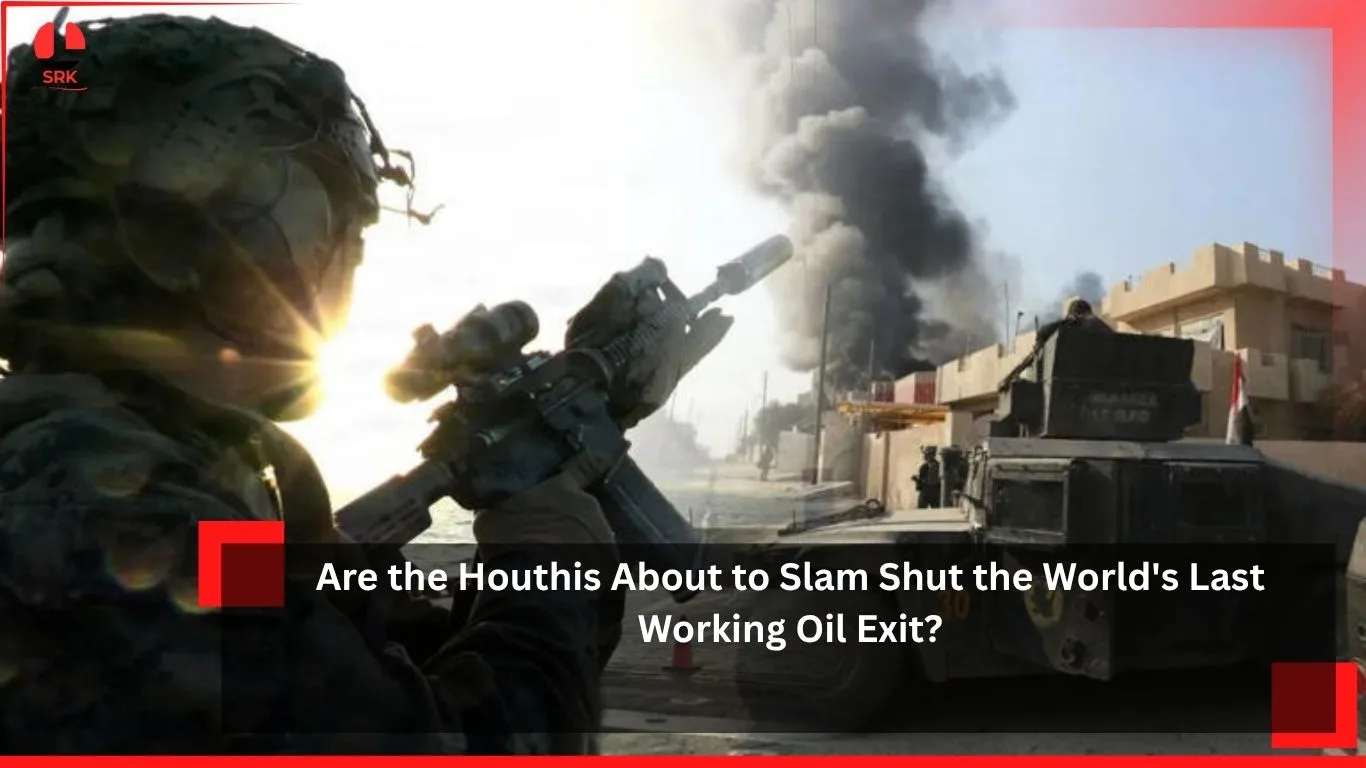
The global energy market is once again under threat as reports suggest that the Houthis, a powerful armed group based in Yemen, may be preparing to disrupt one of the world’s last functioning oil export routes. This development has sparked widespread concern among governments, energy companies, and international organizations, as any disruption could send shockwaves through global oil supply chains and destabilize already fragile economies.
Background of the Crisis
The Houthis, who control significant portions of Yemen, have long been involved in regional conflicts, often targeting infrastructure to exert pressure on adversaries. Their potential move to block oil exports is seen as part of a broader strategy to gain leverage in ongoing geopolitical struggles. The Red Sea and Gulf of Aden, critical maritime routes for oil shipments, are particularly vulnerable to such disruptions.
Why This Matters Globally
- Energy Security: Oil remains the backbone of global energy consumption, and any disruption in supply routes can trigger price spikes.
- Economic Stability: Countries dependent on imported oil could face inflationary pressures.
- Geopolitical Tensions: A blockade could escalate conflicts in the Middle East, drawing in regional and global powers.
Current Situation
- Threat Level: Intelligence reports indicate increased Houthi activity near key maritime chokepoints.
- Global Oil Prices: Markets have already shown volatility in anticipation of possible disruptions.
- Diplomatic Efforts: International stakeholders are urging restraint and seeking negotiations to prevent escalation.
Comparative Analysis of Oil Exit Routes
| Route/Region | Status | Risk Level | Share of Global Oil Trade |
|---|---|---|---|
| Strait of Hormuz | Highly vulnerable | Very High | ~20% |
| Suez Canal | Operational | Medium | ~9% |
| Bab el-Mandeb | Threatened by Houthis | Very High | ~6% |
| Other Routes | Stable | Low | Remaining share |
This analysis shows how Bab el-Mandeb, a critical chokepoint, is now at the center of global concern.
Sector-Wise Impact of Potential Blockade
| Sector | Impact Level | Key Issues |
|---|---|---|
| Energy Markets | Very High | Price spikes, supply shortages |
| Shipping Industry | High | Rerouting, increased insurance costs |
| Global Trade | High | Disruptions in supply chains |
| Regional Security | Very High | Escalation of conflicts |
| Consumer Economy | Medium | Rising fuel costs |
Analytical Pivot
| Year | Global Oil Price (USD/barrel) | Major Disruption | Impact on Trade |
|---|---|---|---|
| 2024 | 75 | Minor conflicts | Limited |
| 2025 | 85 | Regional tensions | Moderate |
| 2026 | 95 (March) | Threat of blockade | Severe |
This pivot analysis highlights how geopolitical risks directly influence oil prices and trade stability.
International Reactions
- United States: Called for immediate de-escalation and warned of consequences if oil routes are blocked.
- European Union: Expressed concern over energy security and urged diplomatic solutions.
- Middle Eastern Nations: Countries like Saudi Arabia and UAE are closely monitoring developments, given their reliance on oil exports.
- Global Organizations: The UN has emphasized the need for dialogue to prevent humanitarian and economic fallout.
Possible Scenarios
- Full Blockade: Oil shipments through Bab el-Mandeb could be halted, leading to severe global shortages.
- Partial Disruption: Sporadic attacks may cause delays but not a complete shutdown.
- Diplomatic Resolution: International pressure could prevent escalation and keep oil routes open.
Future Outlook
Experts warn that if the Houthis proceed with their plan, global oil markets could face unprecedented turmoil. Countries may be forced to seek alternative energy sources, accelerate renewable adoption, or rely on strategic reserves. The situation underscores the fragility of global energy security and the need for diversified supply chains.
Conclusion
The looming threat of the Houthis shutting down the world’s last working oil exit is a stark reminder of how geopolitical conflicts can destabilize global markets. While diplomatic efforts are underway, the uncertainty continues to weigh heavily on economies worldwide. The coming weeks will be critical in determining whether the world faces another energy crisis or manages to avert disaster through negotiation and cooperation.
Disclaimer
This article is intended for informational purposes only. The content reflects current geopolitical developments and analysis based on publicly available information. Readers should not interpret this as financial or policy advice. While accuracy has been prioritized, future developments may alter the situation. Independent verification is recommended before drawing conclusions.