




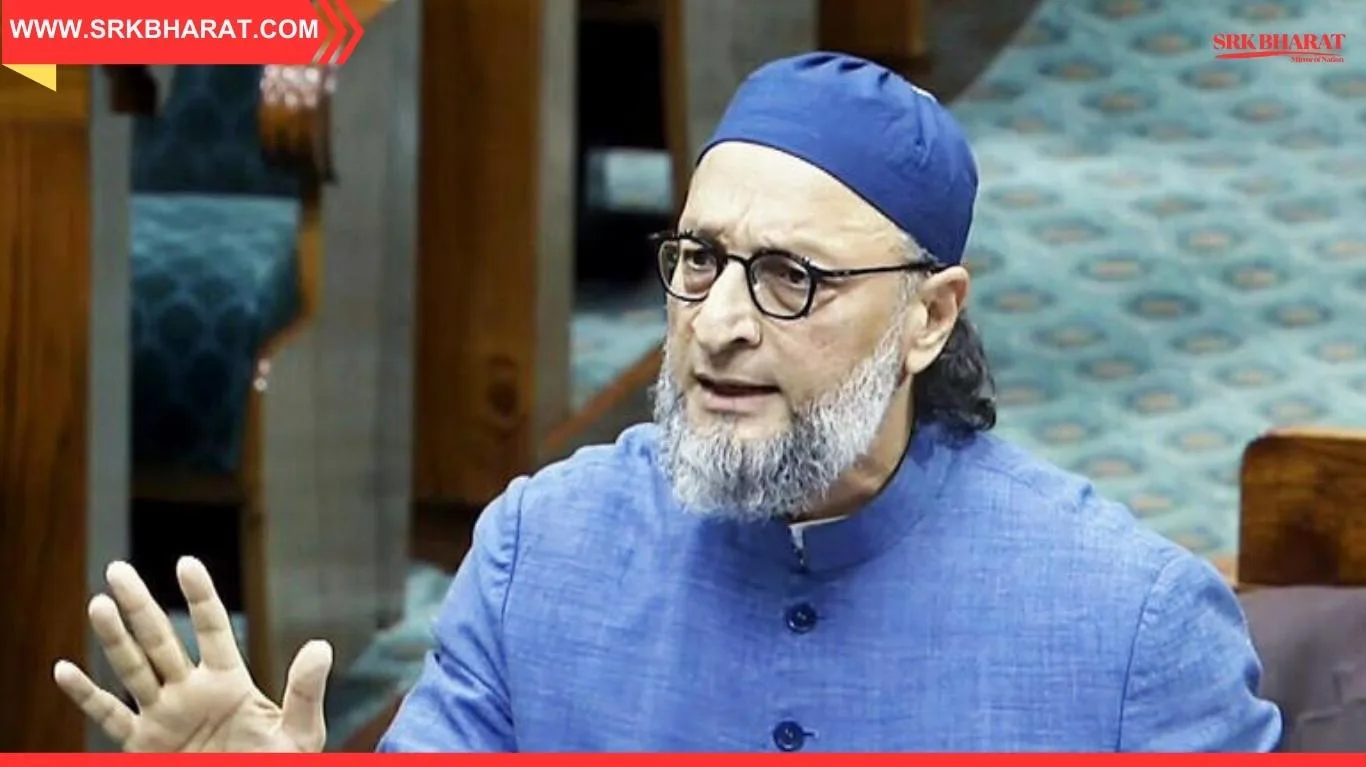
The Vande Mataram debate has once again ignited political and social discourse in India, with AIMIM chief Asaduddin Owaisi questioning the idea of compelling citizens to sing or accept the national song. In a sharp statement, Owaisi asked, “How can any citizen be compelled to worship any god or deity?” His remarks have stirred discussions on constitutional rights, freedom of expression, and the balance between nationalism and individual liberty.
Key Highlights
- AIMIM chief Asaduddin Owaisi questions compulsion in singing Vande Mataram.
- Says no citizen should be forced to worship any god or deity.
- Debate reignites over national song, patriotism, and constitutional freedoms.
- Political parties divided on whether Vande Mataram should be mandatory.
- Public reactions reflect deep polarization on nationalism and religious freedom.
Background of the Vande Mataram Debate
Vande Mataram, written by Bankim Chandra Chatterjee in the late 19th century, has long been associated with India’s freedom struggle. While many view it as a symbol of patriotism, others argue that its verses carry religious undertones that may not align with the beliefs of all communities.
The debate over whether singing Vande Mataram should be mandatory has resurfaced multiple times in India’s political history. Owaisi’s latest remarks highlight the tension between collective national identity and individual religious freedom.
Statistical Overview of National Song Controversies
| Year | Event | Key Issue | Outcome |
|---|---|---|---|
| 2006 | Supreme Court case | Petition to make Vande Mataram compulsory | Court ruled voluntary singing |
| 2017 | Political debates | Calls for mandatory singing in schools | Mixed responses, no legal mandate |
| 2020 | State-level directives | Some states encouraged singing | Opposition raised constitutional concerns |
| 2023 | Renewed debate | Religious freedom vs nationalism | Heated political exchanges |
| 2025 | Owaisi’s remarks | Compulsion questioned | Sparks nationwide discussion |
Implications of Owaisi’s Statement
| Factor | Impact on Politics | Impact on Society | Impact on Constitutional Debate |
|---|---|---|---|
| Religious freedom | Strengthens minority voices | Encourages diversity | Reinforces Article 25 rights |
| National identity | Sparks political polarization | Divides public opinion | Raises questions on Article 51A |
| Political discourse | Fuels debates in Parliament | Intensifies media coverage | May lead to legal petitions |
| Long-term outlook | Positions AIMIM as defender of rights | Inspires civil society activism | Could shape future rulings |
Why This Debate Matters
- Constitutional Rights: India’s Constitution guarantees freedom of religion and expression.
- National Identity: Vande Mataram is seen by many as a symbol of patriotism, but its religious undertones create tension.
- Political Polarization: Parties differ sharply on whether singing should be mandatory.
- Public Sentiment: Citizens remain divided, with some calling it a duty and others defending freedom of choice.
Expert Views
Legal experts argue that compelling citizens to sing Vande Mataram could violate constitutional protections. They highlight past Supreme Court rulings that emphasized voluntary participation in national songs and symbols. Political analysts note that Owaisi’s remarks resonate with minority communities, while critics accuse him of undermining national unity.
Public and Political Reactions
- Supporters of Owaisi: Applauded his defense of individual rights and religious freedom.
- Critics: Accused him of politicizing patriotism and questioned his commitment to national symbols.
- Neutral voices: Called for a balanced approach, respecting both national identity and personal liberty.
Social media platforms reflected polarized reactions, with hashtags trending both in support and opposition to Owaisi’s statement.
Historical Context
The controversy around Vande Mataram dates back to the pre-independence era. While it inspired freedom fighters, some communities expressed discomfort with its religious references. Post-independence, India adopted “Jana Gana Mana” as the national anthem, while Vande Mataram was given the status of national song. The distinction reflects attempts to balance inclusivity with tradition.
Extended Analysis
The debate reflects broader themes in Indian democracy:
- Pluralism: India’s strength lies in accommodating diverse beliefs.
- Nationalism vs Freedom: Balancing collective identity with individual rights remains a challenge.
- Judicial Oversight: Courts play a crucial role in defining the limits of compulsion.
- Political Strategy: Leaders use the debate to mobilize support among different constituencies.
For Owaisi, the statement reinforces his position as a defender of minority rights. For political opponents, it becomes a rallying point to question his patriotism. For India, it highlights the ongoing struggle to reconcile nationalism with constitutional freedoms.
Conclusion
Asaduddin Owaisi’s remarks on the Vande Mataram debate have reignited discussions on nationalism, religious freedom, and constitutional rights. By questioning the compulsion to worship any god or deity, he has highlighted the tension between collective identity and individual liberty. The debate underscores the importance of respecting diversity in a pluralistic democracy while maintaining symbols of national unity.
Disclaimer
This article is based on publicly available political updates, expert commentary, and public reactions. It is intended for informational and editorial purposes only, offering insights into Asaduddin Owaisi’s remarks on the Vande Mataram debate and their implications for Indian politics and society.