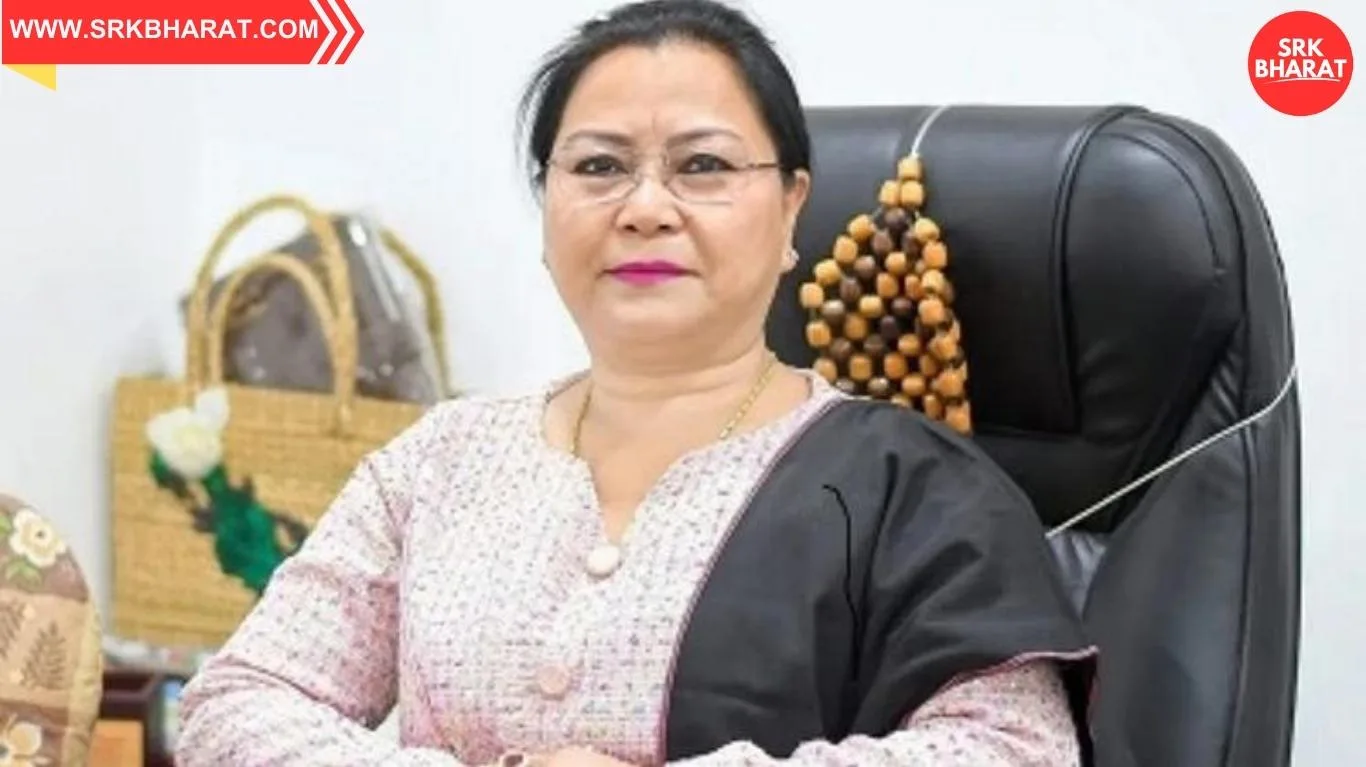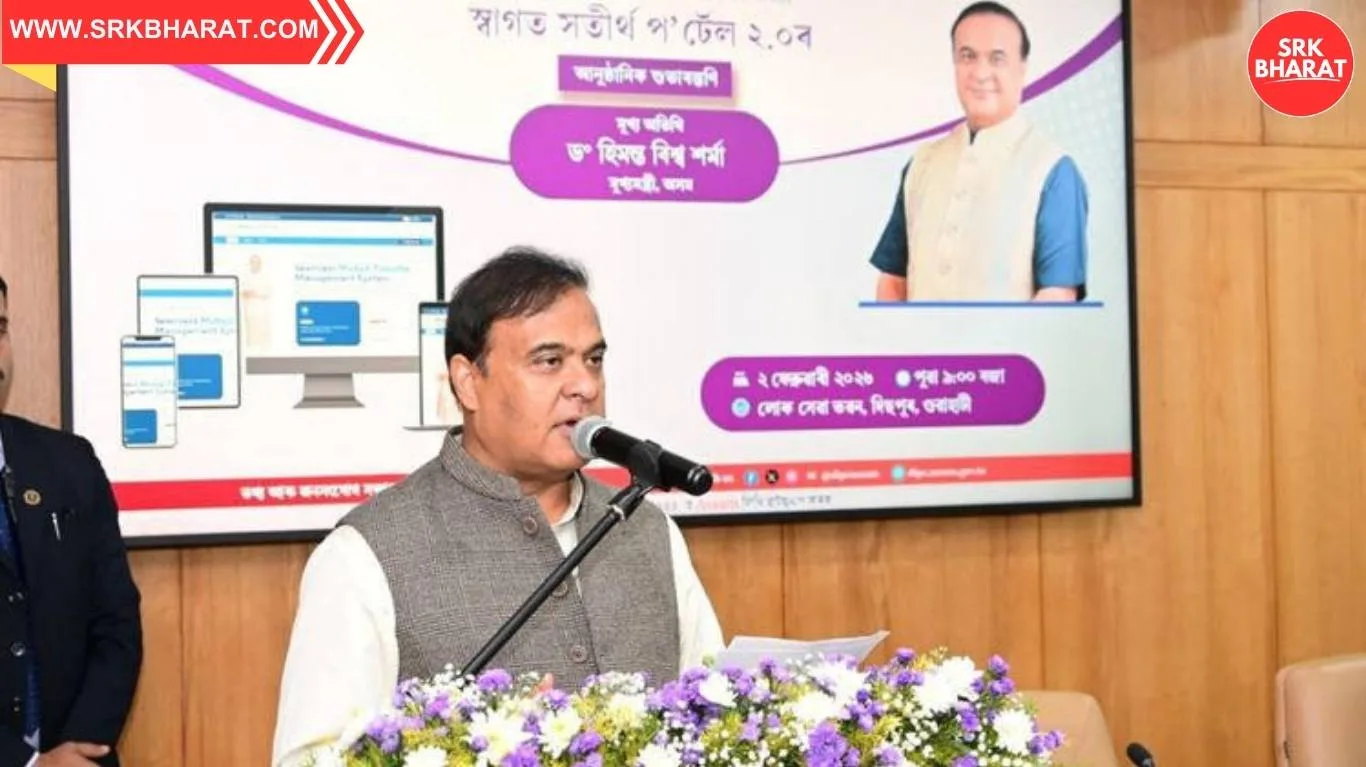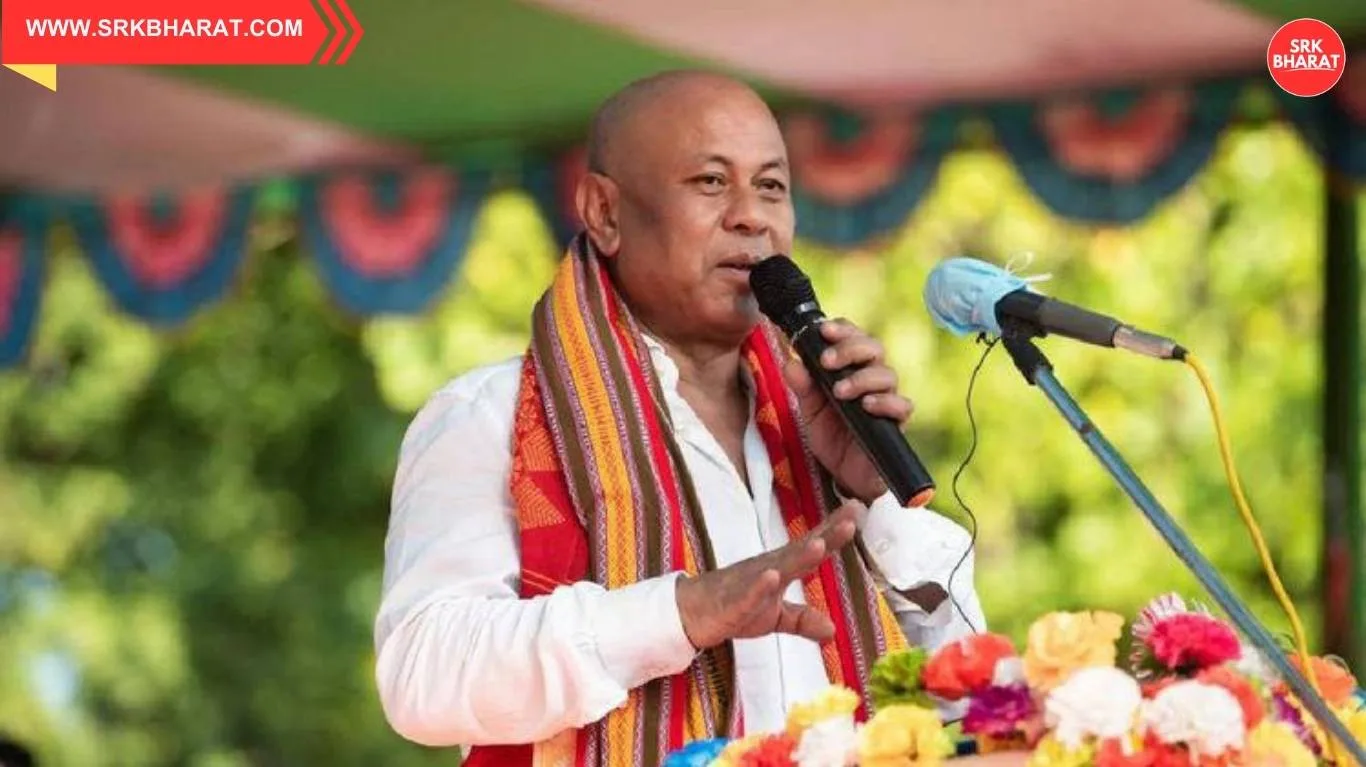




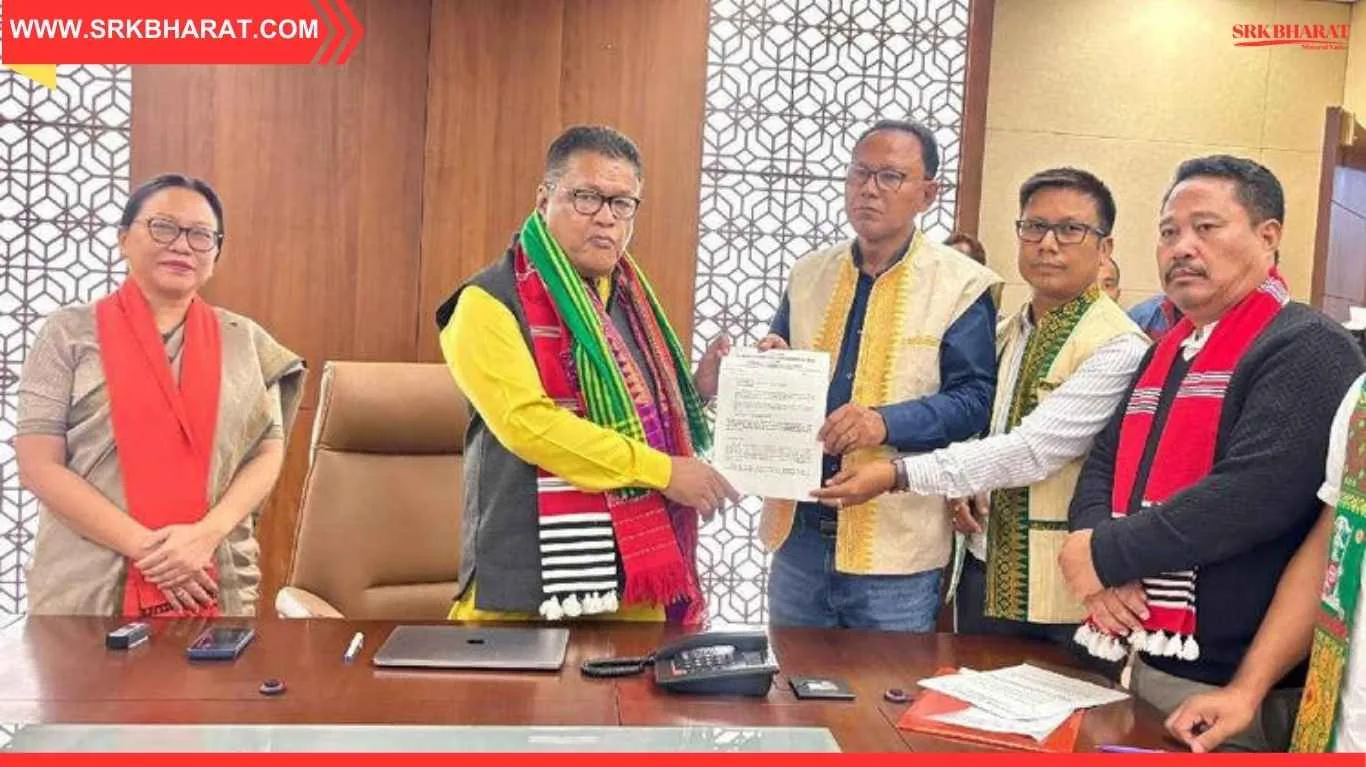
In a significant political and social development, Assam’s Education Minister Ranoj Pegu has confirmed that discussions are underway regarding the demand for Scheduled Tribe (ST) status for certain communities in the state. The minister stated that the Coordination Committee of Tribal Organisations of Assam (CCTOA) has been tasked with preparing a detailed report, which is expected to be submitted within one month. This announcement has reignited debates around identity, representation, and socio-economic rights in Assam, a state known for its diverse ethnic and tribal composition.
The issue of ST status has long been a contentious one in Assam, with multiple communities demanding recognition to access constitutional safeguards, reservations, and welfare benefits. The confirmation of talks by a senior minister signals that the government is taking the matter seriously, though the final decision will depend on the recommendations of the CCTOA and subsequent deliberations at both state and central levels.
Key Highlights
- Assam minister Ranoj Pegu confirms ongoing talks on granting ST status to certain communities.
- The Coordination Committee of Tribal Organisations of Assam (CCTOA) will submit its report within one month.
- Communities argue that ST recognition is essential for socio-economic upliftment and political representation.
- The issue has sparked debates across Assam, with political parties and civil society weighing in.
- Final decision will involve both state and central government consultations.
Background of the Demand
The demand for ST status in Assam is rooted in historical grievances and socio-economic disparities. Several communities feel excluded from constitutional protections that tribal groups enjoy, including reservations in education, employment, and political representation. Over the years, multiple committees have examined the issue, but progress has been slow due to the complexities of Assam’s demographic and political landscape.
Statistical Overview of Assam’s Tribal Demographics
| Category | Current Status | Population Share | Key Demands |
|---|---|---|---|
| Recognized STs | 14+ groups | ~12% | Continued welfare support |
| Non-recognized groups | Multiple communities | ~8-10% | Demand for ST inclusion |
| OBC/MOBC groups | 30+ groups | ~35% | Reservation adjustments |
| General category | Diverse groups | ~40% | Maintain current structure |
Impact of ST Status Recognition
| Factor | Impact on Communities | Impact on Government | Impact on Assam Politics |
|---|---|---|---|
| Education | Access to reserved seats | Policy adjustments | Greater representation |
| Employment | Reservation in jobs | Administrative changes | Electoral implications |
| Political power | Reserved constituencies | Redistribution of seats | Shifts in voter dynamics |
| Social identity | Recognition of heritage | Need for consensus | Strengthens cultural pride |
Minister Ranoj Pegu’s Statement
Minister Ranoj Pegu emphasized that the government is committed to examining the demands in detail. He noted that the CCTOA’s report will provide clarity on the socio-economic conditions of the communities seeking ST status. “We are in active discussions, and the committee will submit its findings within one month. The government will then take a considered decision,” Pegu stated.
Role of CCTOA
The Coordination Committee of Tribal Organisations of Assam (CCTOA) plays a crucial role in consolidating the voices of various tribal and non-tribal groups. Its upcoming report is expected to include socio-economic surveys, historical documentation, and recommendations for policy changes. The committee’s findings will form the basis for government deliberations and potential legislative action.
Political Reactions
Political parties in Assam have responded cautiously to the announcement. While some have welcomed the move as a step toward justice, others have warned that granting ST status could disrupt the existing reservation framework. The issue is expected to become a major talking point in upcoming elections, with parties aligning themselves based on community interests.
Civil Society and Public Opinion
Civil society organizations have expressed mixed reactions. Tribal groups see the announcement as validation of their long-standing demands, while other communities worry about the impact on resource allocation. Public opinion remains divided, reflecting the complexities of Assam’s multi-ethnic society.
Historical Context
Assam has a long history of identity-based movements, from demands for autonomy to recognition of tribal rights. The issue of ST status has been part of this broader narrative, with communities seeking constitutional safeguards to preserve their culture and improve socio-economic conditions. Past attempts to resolve the issue have faced challenges due to political sensitivities and demographic diversity.
Expert Views
Sociologists and political analysts believe that granting ST status could have far-reaching implications. While it would empower marginalized communities, it could also lead to demands from other groups, creating a ripple effect. Experts argue that careful policy design and inclusive dialogue are essential to avoid social tensions.
Extended Analysis
The confirmation of talks and the upcoming CCTOA report mark a critical juncture in Assam’s socio-political landscape. If ST status is granted, it could reshape educational opportunities, employment prospects, and political representation for thousands of people. However, the government must balance these demands with the need to maintain social harmony and equitable resource distribution.
Conclusion
Assam minister Ranoj Pegu’s confirmation of talks on ST status and the CCTOA’s upcoming report highlight the importance of addressing identity and representation in Assam. The issue reflects broader questions of justice, equity, and governance in a diverse society. As the state awaits the committee’s findings, the debate over ST status is set to remain at the forefront of Assam’s political discourse.
Disclaimer
This article is based on publicly available political updates, expert commentary, and community reports. It is intended for informational and editorial purposes only, offering insights into Assam’s ongoing discussions on ST status and the role of the CCTOA.