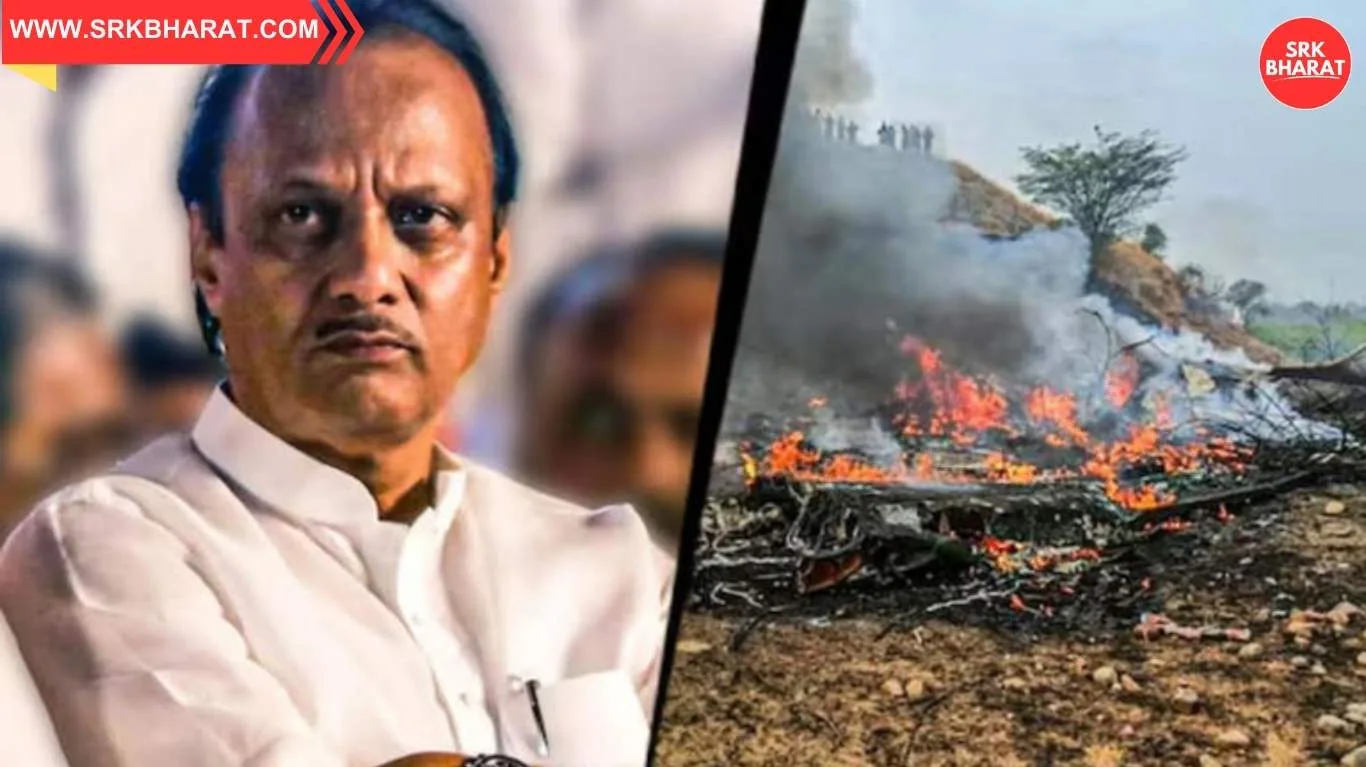
Following the tragic Learjet XR crash at Baramati airfield on January 28, 2026, which claimed the lives of Maharashtra Deputy Chief Minister Ajit Pawar and four others, the Ministry of Civil Aviation has announced a nationwide inspection of 400 uncontrolled airstrips. The move comes amid growing concerns over safety standards at non-ATC (Air Traffic Control) airfields, where pilots rely on self-coordination rather than guided instructions.
Key Highlights
- Inspection Drive: Around 400 uncontrolled airstrips across India will be reviewed.
- Focus Areas: Infrastructure gaps, communication facilities, firefighting readiness, and coordination with local authorities.
- Joint Oversight: Directorate General of Civil Aviation (DGCA) and state governments to jointly manage monitoring.
- Reason for Action: Renewed scrutiny after Ajit Pawar’s fatal crash at Baramati.
- Policy Goal: Establish uniform operating standards for uncontrolled airfields.
Analysis of Inspection Drive
| Factor | Current Scenario | Proposed Action | Outcome Expected |
|---|---|---|---|
| Safety Standards | Inconsistent across airstrips | Uniform operating standards | Improved safety |
| Oversight | Limited monitoring | DGCA + state joint oversight | Stronger regulation |
| Infrastructure | Gaps in firefighting, comms | Mapping and upgrading facilities | Enhanced readiness |
| Pilot Operations | Self-coordination at non-ATC | Structured guidelines | Reduced risks |
| Public Confidence | Shaken after Baramati crash | Restored through reforms | Trust regained |
Comparative Analysis of Airfield Safety
| Country | Approach to Non-ATC Airfields | Oversight Mechanism | Impact |
|---|---|---|---|
| India | Uncontrolled, limited oversight | DGCA + states (new plan) | Safety concerns, reforms underway |
| US | Strict FAA guidelines | Federal + local monitoring | High compliance |
| UK | Controlled with exceptions | Civil Aviation Authority | Strong safety record |
| Australia | Remote strips with guidelines | CASA oversight | Balanced flexibility |
Drivers Behind the Inspection
- Ajit Pawar Crash: Fatal accident highlighted regulatory gaps at uncontrolled airfields.
- Safety Concerns: Lack of firefighting and communication facilities at many strips.
- Pilot Risks: Reliance on self-coordination increases chances of miscommunication.
- Policy Pressure: Public demand for accountability after high-profile fatalities.
- Global Standards: Need to align with international aviation safety norms.
Public and Media Reaction
- Citizens: Shocked by Ajit Pawar’s death, demanding stricter safety measures.
- Media: Coverage emphasized the risks of uncontrolled airfields.
- Analysts: Welcomed inspection drive but stressed need for long-term reforms.
- Opposition Leaders: Criticized government for neglecting aviation safety earlier.
Future Outlook
The inspection drive could lead to:
- Upgraded Infrastructure: Firefighting units, communication towers, and emergency services at airstrips.
- Policy Reform: Uniform guidelines for all non-ATC airfields.
- Pilot Training: Enhanced protocols for operating at uncontrolled strips.
- Public Confidence: Restored trust in aviation safety.
Challenges ahead:
- Funding infrastructure upgrades across 400 airstrips.
- Coordinating between DGCA and state governments.
- Ensuring compliance in remote and rural areas.
Conclusion
The Civil Aviation Ministry’s decision to inspect 400 uncontrolled airfields after the Ajit Pawar crash marks a critical step toward strengthening India’s aviation safety framework. By mapping infrastructure gaps, enhancing firefighting readiness, and establishing uniform standards, the government aims to prevent future tragedies and restore public confidence in air travel. The move underscores the importance of proactive regulation in safeguarding lives and modernizing India’s aviation sector.
Disclaimer
This article is intended for informational and analytical purposes only. It summarizes publicly available updates on aviation safety measures after Ajit Pawar’s crash. It does not constitute insider information, legal advice, or professional consultation. Readers are encouraged to verify facts independently and consider multiple perspectives before forming conclusions.