




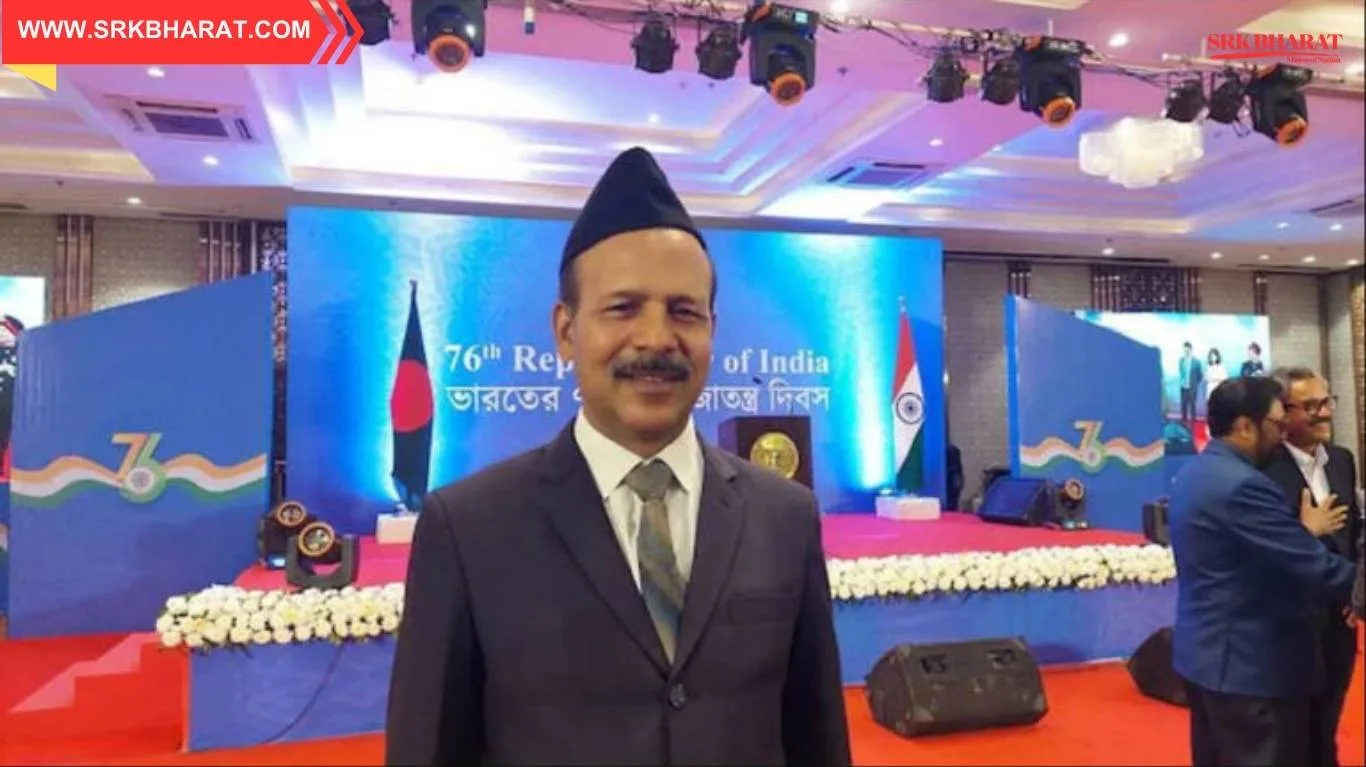
The political landscape of Bangladesh has been jolted by the Election Commission’s rejection of Hindu candidate Gobindadeb Pramanik’s nomination papers from Gopalganj-3, the constituency long associated with former Prime Minister Sheikh Hasina. The decision has sparked widespread debate about electoral transparency, minority representation, and the future of democratic participation in the country.
Background of the Controversy
- Gobindadeb Pramanik, a Hindu candidate, had filed his nomination to contest from Gopalganj-3, Sheikh Hasina’s former stronghold.
- The Election Commission rejected his papers citing alleged procedural discrepancies, though critics argue the move reflects deeper political and social challenges.
- The rejection has raised concerns about the representation of minorities in Bangladesh’s political system.
- Gopalganj-3 holds symbolic importance as Sheikh Hasina’s former seat, making the rejection even more politically sensitive.
Key Highlights of the Decision
| Indicator | Details |
|---|---|
| Candidate | Gobindadeb Pramanik |
| Community | Hindu minority |
| Constituency | Gopalganj-3 (Sheikh Hasina’s former seat) |
| Decision | Nomination rejected by Election Commission |
| Broader Impact | Sparks debate on minority rights and electoral fairness |
Implications of the Rejection
| Factor | Positive Impact | Challenges | Long-Term Implication |
|---|---|---|---|
| Electoral Integrity | Reinforces procedural scrutiny | Allegations of bias | Questions about fairness in nominations |
| Minority Representation | Highlights need for inclusivity | Risk of disenfranchisement | Shapes discourse on minority rights |
| Political Symbolism | Draws attention to Gopalganj-3 | Sensitivity due to Hasina’s legacy | Influences future contests in the seat |
| Public Sentiment | Sparks civic debate | Risk of polarization | Strengthens demand for transparency |
| International Perception | Global focus on Bangladesh’s democracy | Criticism of minority exclusion | Impacts diplomatic narratives |
Why This Story Matters
- Minority Rights: The rejection raises questions about the political participation of Hindu candidates in Bangladesh.
- Electoral Transparency: Highlights the need for clear and fair procedures in nomination scrutiny.
- Political Symbolism: Sheikh Hasina’s former seat adds weight to the controversy.
- Public Confidence: Citizens demand assurance that elections remain free and fair.
- Global Attention: The issue may influence international perceptions of Bangladesh’s democracy.
Gobindadeb Pramanik’s Profile
| Attribute | Details |
|---|---|
| Name | Gobindadeb Pramanik |
| Community | Hindu minority |
| Political Ambition | Contesting from Gopalganj-3 |
| Symbolism | Represents minority participation in politics |
| Impact of Rejection | Sparks debate on inclusivity |
Pramanik’s candidacy was seen as a symbolic step toward greater minority representation, making the rejection a matter of national debate.
Expert Opinions
- Political Analysts: Argue that the rejection undermines minority confidence in the electoral process.
- Civil Society Groups: Call for greater inclusivity and transparency in nominations.
- Legal Experts: Stress the importance of clear procedural guidelines.
- Critics: Warn that repeated exclusions could erode democratic credibility.
Challenges Ahead
- Minority Participation: Ensuring Hindu and other minority candidates can contest freely.
- Electoral Fairness: Addressing allegations of bias in nomination scrutiny.
- Public Trust: Restoring confidence in the Election Commission.
- Political Sensitivity: Managing the symbolism of Sheikh Hasina’s former seat.
- Global Scrutiny: Responding to international concerns about inclusivity.
Opportunities for Reform
- Transparent Procedures: Strengthen nomination scrutiny with clear guidelines.
- Minority Empowerment: Encourage participation of Hindu and other minority candidates.
- Public Engagement: Increase awareness of electoral rights.
- Legal Safeguards: Ensure judicial oversight of nomination rejections.
- Global Dialogue: Showcase commitment to democratic inclusivity.
Broader Context of Bangladesh’s Democracy
- Bangladesh has faced recurring debates about electoral fairness and inclusivity.
- Minority representation remains a sensitive issue, with Hindu candidates often facing challenges.
- The rejection of Pramanik’s nomination reflects broader tensions in the political system.
- Sheikh Hasina’s legacy in Gopalganj-3 adds symbolic weight to the controversy.
Public Sentiment
- Citizens expressed concern about minority exclusion.
- Supporters of Pramanik criticized the Election Commission’s decision.
- Social media debates highlighted calls for transparency and fairness.
- Overall sentiment reflects frustration and demand for reform.
Media Coverage
- News outlets widely reported the rejection, emphasizing its symbolic importance.
- Analysts debated the implications for minority rights and electoral fairness.
- Coverage highlighted the sensitivity of Gopalganj-3 as Sheikh Hasina’s former seat.
- The story continues to dominate discussions in political and civic circles.
Conclusion
The Bangladesh Election Commission’s rejection of Hindu candidate Gobindadeb Pramanik’s nomination from Sheikh Hasina’s former seat underscores the complexities of electoral fairness, minority representation, and political symbolism. While procedural scrutiny is essential, the decision has sparked widespread debate about inclusivity and transparency. As Bangladesh prepares for future elections, the controversy highlights the urgent need for reforms that ensure all citizens, regardless of community, can participate freely in the democratic process.
Disclaimer
This article is intended for informational purposes only and does not constitute official endorsement or criticism. Electoral decisions, political statements, and public sentiments are subject to change based on evolving circumstances. Readers are encouraged to follow official updates for accurate information. The author and publisher are not responsible for any decisions made based on this article.