




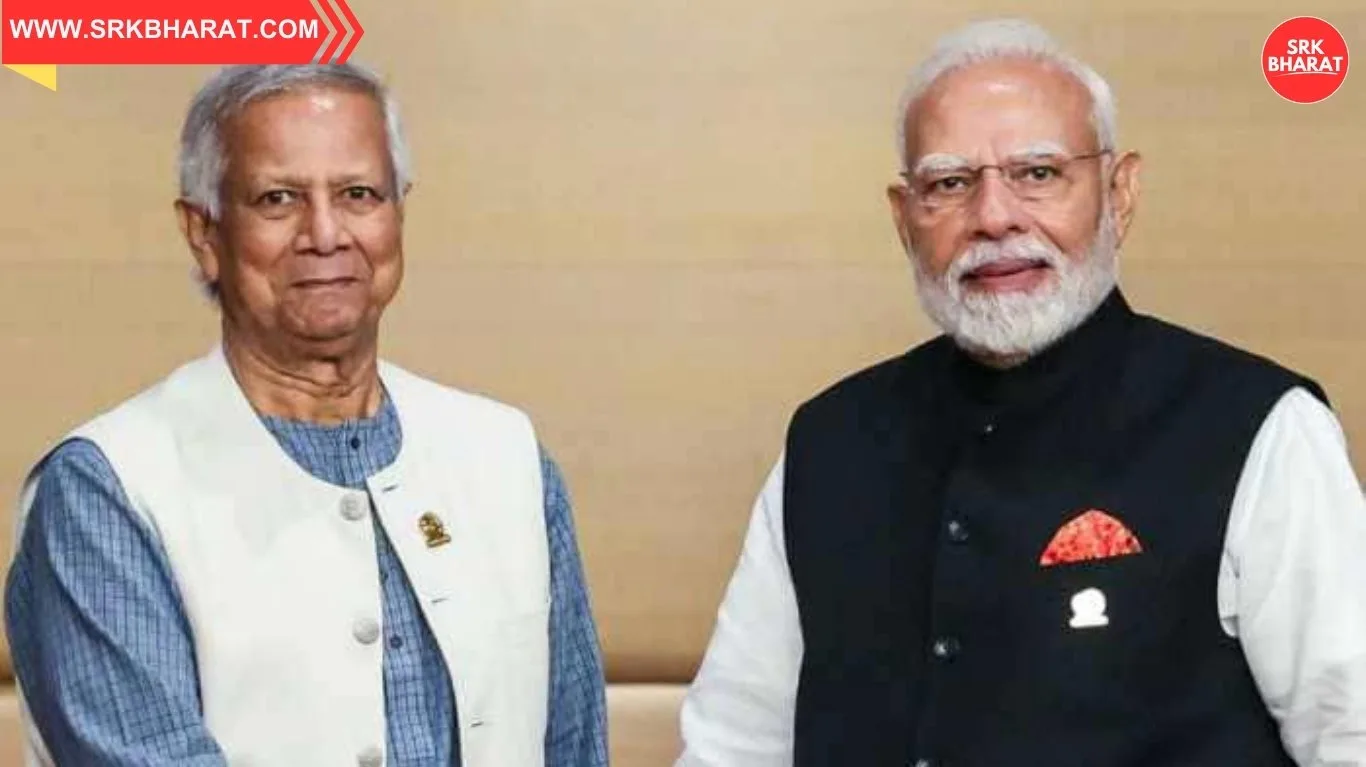
Bangladesh has formally invited India to send election observers for its upcoming general elections scheduled in February 2026. The invitation is part of Dhaka’s broader effort to ensure transparency and credibility in the electoral process. While several international organizations and countries have already been approached, India’s participation carries special significance given the historical, cultural, and political ties between the two neighbors.
Bangladesh’s Invitation
The Bangladesh Election Commission has extended invitations to multiple countries and international bodies, including India, to observe the polls. Election observers are expected to monitor voting procedures, assess fairness, and provide independent reports on the conduct of the elections.
Key highlights of the invitation:
- India has been asked to send an official delegation of observers.
- The invitation underscores Bangladesh’s intent to showcase transparency.
- Observers will monitor polling stations, counting centers, and overall electoral management.
India’s Position
As of now, New Delhi has not confirmed whether it will send observers. India’s decision is expected to be influenced by:
- Diplomatic considerations with Bangladesh.
- Domestic priorities and regional security concerns.
- The precedent of India’s role in past South Asian elections.
Importance of India’s Role
India’s participation as an observer would carry weight for several reasons:
- Geopolitical Influence: India is Bangladesh’s largest neighbor and strategic partner.
- Historical Ties: India played a pivotal role in Bangladesh’s liberation in 1971.
- Regional Stability: India’s involvement could reinforce democratic processes in South Asia.
- Bilateral Relations: Observing the polls could strengthen trust between the two governments.
Comparative Analysis of Election Observers
| Country/Organization | Role in Past Bangladesh Elections | Current Status |
|---|---|---|
| India | Limited observer role | Invitation extended, yet to confirm |
| United States | Sent observers in past | Likely participation |
| European Union | Active monitoring | Expected to send delegation |
| Commonwealth | Regular observer missions | Confirmed interest |
| SAARC Nations | Occasional participation | Awaiting confirmation |
Political Context in Bangladesh
The February 2026 elections are crucial for Bangladesh’s political future. The ruling party and opposition are locked in a fierce contest, with issues such as governance, economic growth, and democratic freedoms dominating the discourse.
Key challenges include:
- Ensuring free and fair elections amid political tensions.
- Addressing concerns of voter intimidation and irregularities.
- Managing international scrutiny over democratic practices.
India-Bangladesh Relations
India and Bangladesh share deep ties across trade, culture, and security. The election observer invitation is another dimension of this relationship.
| Area of Cooperation | Current Status | Impact |
|---|---|---|
| Trade | Growing bilateral trade | Strengthens economic ties |
| Security | Counter-terrorism cooperation | Enhances regional stability |
| Connectivity | Infrastructure projects | Boosts regional integration |
| Diplomacy | Regular high-level visits | Reinforces trust |
Implications of India’s Decision
If India accepts the invitation:
- It will reinforce its role as a regional democratic partner.
- Strengthen bilateral relations with Bangladesh.
- Provide credibility to the electoral process.
If India declines:
- Questions may arise about India’s stance on regional democracy.
- Bangladesh may rely more on Western observers.
- Diplomatic narratives could shift.
Conclusion
The headline “Bangladesh Invites India as Election Observer for February 2026 Poll; New Delhi Yet to Confirm” reflects the delicate balance of diplomacy and democracy in South Asia. Bangladesh’s invitation highlights its intent to ensure transparency, while India’s decision will carry significant implications for bilateral ties and regional stability.
As the election approaches, all eyes will be on whether New Delhi confirms its participation, reinforcing its role as a key player in South Asia’s democratic journey.
Disclaimer
This article is intended for informational and analytical purposes only. It reflects current political developments and perspectives within South Asia. The content does not represent official statements from the Election Commission of Bangladesh, the Government of India, or any political party. Readers should verify facts through authoritative sources before drawing conclusions.