




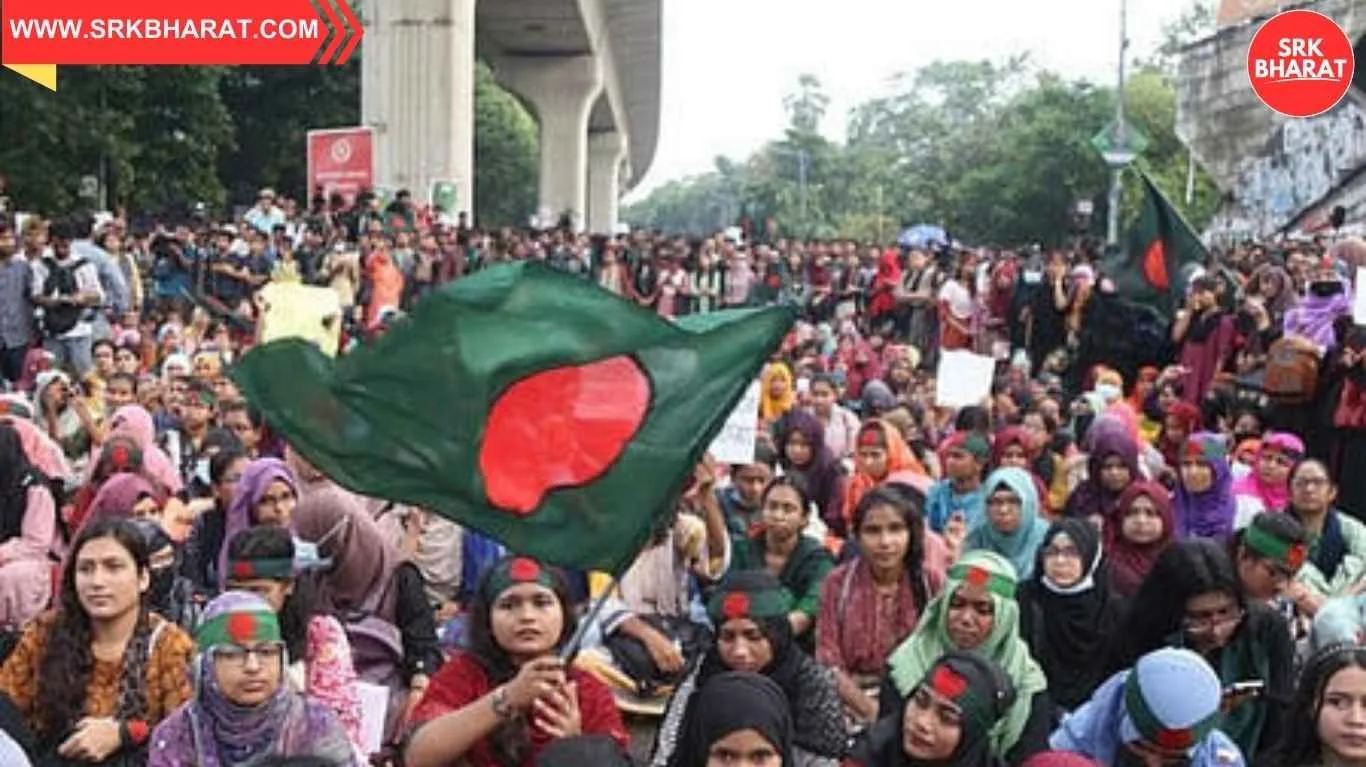
Bangladesh’s largest Islamist political party, Jamaat-e-Islami, has declared that women cannot hold top party posts, sparking widespread debate across the country. The announcement has drawn criticism from rights groups, political analysts, and civil society organizations, who argue that the decision undermines gender equality and democratic representation.
Context of the Announcement
The Jamaat leadership clarified that while women can participate in party activities and hold certain organizational responsibilities, they will not be allowed to occupy the highest decision-making positions. This policy reflects the party’s interpretation of religious and cultural norms, but it has been criticized as regressive in a nation where women have historically played significant roles in politics.
Historical Role of Women in Bangladeshi Politics
Bangladesh has a unique political history where women have led the country for decades:
- Sheikh Hasina: Current Prime Minister and leader of the Awami League.
- Khaleda Zia: Former Prime Minister and leader of the Bangladesh Nationalist Party (BNP).
- Grassroots Leadership: Women have served as union council members, mayors, and parliamentarians.
This makes Jamaat’s stance particularly controversial, as it contrasts sharply with the broader political landscape.
Comparative Analysis of Party Policies
| Party | Position on Women Leaders | Notable Examples |
|---|---|---|
| Awami League | Women can hold top posts | Sheikh Hasina (PM) |
| BNP | Women can hold top posts | Khaleda Zia (former PM) |
| Jamaat-e-Islami | Women barred from top posts | No female top leader |
| Jatiya Party | Women allowed in leadership | Female MPs and ministers |
Reactions
- Rights Groups: Condemned the decision as discriminatory and unconstitutional.
- Civil Society: Called for reforms to ensure equal participation.
- Political Analysts: Warned that Jamaat’s stance could isolate the party further in mainstream politics.
- Supporters of Jamaat: Defended the policy as consistent with their ideological framework.
Implications
- For Women in Politics: Limits opportunities for female members within Jamaat.
- For National Politics: Highlights ideological divides among parties regarding gender equality.
- For International Image: Raises questions about Bangladesh’s commitment to women’s empowerment.
Broader Gender Equality Debate
Bangladesh has made progress in women’s empowerment through education, healthcare, and political participation. However, challenges remain:
- Workforce Participation: Women still face barriers in formal employment.
- Social Norms: Cultural attitudes often restrict women’s mobility and leadership roles.
- Policy Gaps: Need for stronger enforcement of gender equality laws.
Conclusion
The headline “Bangladesh Jamaat Says Women Can’t Hold Top Party Posts” underscores a decision that has reignited debate over gender equality in Bangladeshi politics. While women have historically led the nation at the highest levels, Jamaat’s stance reflects a contrasting ideological position that critics argue undermines democratic inclusivity.
This controversy highlights the ongoing struggle between tradition and modernity in Bangladesh’s political and social fabric, raising important questions about the future of women’s leadership in the country.
Disclaimer
This article is intended for informational and analytical purposes only. It reflects current political developments and perspectives within Bangladesh. The content does not represent official statements from the Government of Bangladesh, Jamaat-e-Islami, or any other political party. Readers should verify facts through authoritative sources before drawing conclusions.