





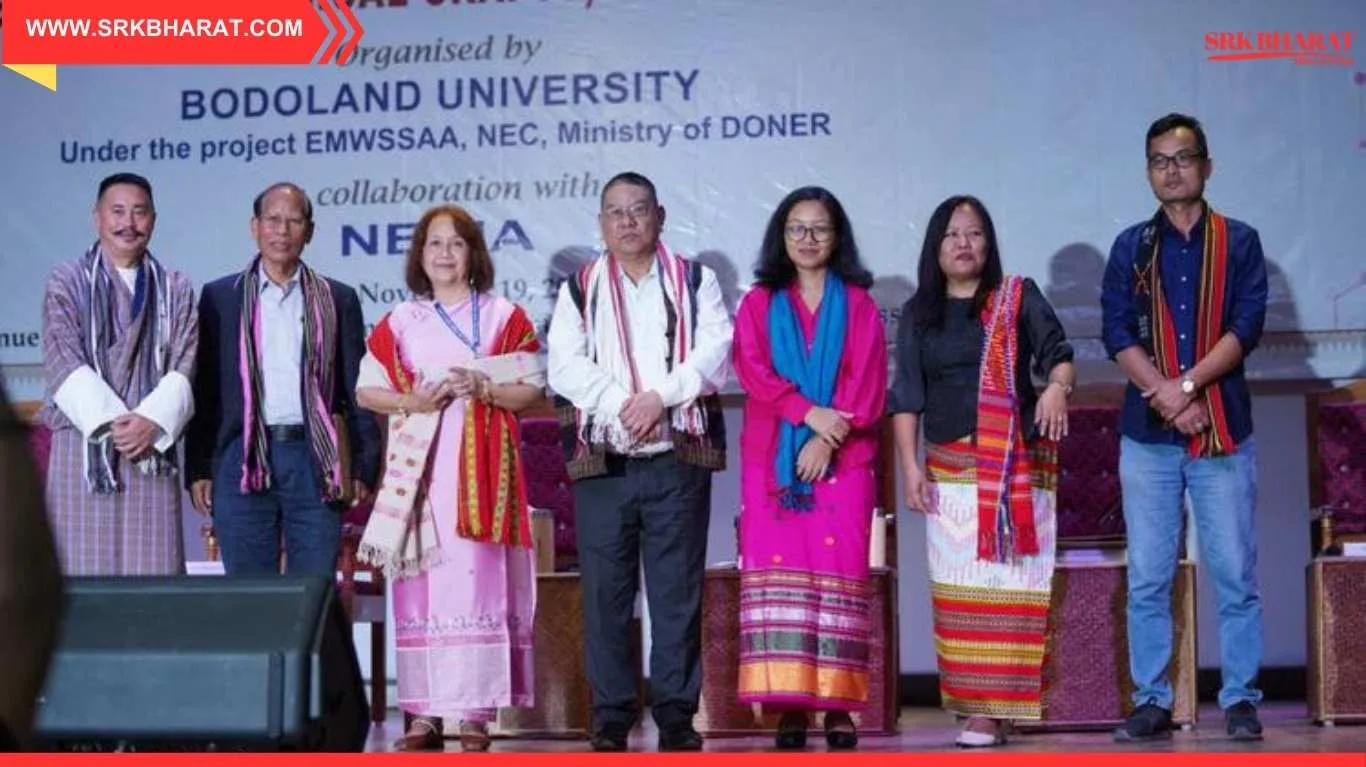
Bodoland University in Assam recently organized a national seminar that brought together scholars, policymakers, activists, and students to discuss the urgent need to preserve the indigenous heritage of Northeast India. The seminar highlighted the cultural richness of the region, the challenges posed by globalization and modernization, and the importance of safeguarding traditional practices, languages, and ecological knowledge for future generations.
The Seminar’s Objectives
The seminar aimed to:
- Raise awareness about the cultural and linguistic diversity of Northeast India.
- Discuss strategies for preserving indigenous knowledge systems.
- Highlight the role of academic institutions in documenting and promoting heritage.
- Encourage youth participation in cultural preservation.
Key Themes Discussed
- Language Preservation
Experts emphasized the need to protect endangered indigenous languages, many of which are at risk of extinction. Language is seen as the backbone of cultural identity. - Traditional Knowledge Systems
Indigenous practices in agriculture, medicine, and environmental conservation were spotlighted as sustainable models that can inform modern development. - Art and Craft Heritage
The seminar showcased traditional weaving, bamboo crafts, and folk art, urging greater support for artisans. - Music and Oral Traditions
Folk songs, dances, and oral storytelling traditions were recognized as vital carriers of cultural memory. - Ecological Wisdom
Indigenous communities’ symbiotic relationship with nature was highlighted as a model for sustainable living.
Challenges vs Solutions for Indigenous Heritage Preservation
| Challenge | Impact | Proposed Solution |
|---|---|---|
| Language Endangerment | Loss of identity, cultural erosion | Documentation, inclusion in school curricula |
| Globalization | Decline of traditional practices | Promotion of local crafts, cultural tourism |
| Urbanization | Migration, weakening of community bonds | Community centers, cultural festivals |
| Lack of Awareness | Youth disengagement | Workshops, digital platforms for heritage |
| Climate Change | Threat to ecological knowledge | Integrating indigenous wisdom in policy |
Role of Bodoland University
Bodoland University has positioned itself as a hub for cultural research and preservation. The institution is:
- Conducting field studies to document endangered languages.
- Establishing archives for oral traditions and folk art.
- Collaborating with NGOs and government bodies for policy advocacy.
- Encouraging students to take part in heritage projects.
Voices from the Seminar
- Academics: Stressed the importance of integrating indigenous knowledge into mainstream education.
- Policy Experts: Called for stronger government support and funding for preservation initiatives.
- Community Leaders: Urged recognition of indigenous rights and cultural autonomy.
- Students: Expressed enthusiasm for using digital tools to promote heritage.
Broader Significance for Northeast India
The seminar underscored that preserving indigenous heritage is not just about cultural pride but also about:
- Strengthening Social Cohesion: Heritage fosters unity among diverse communities.
- Boosting Tourism: Cultural tourism can generate income and employment.
- Sustainable Development: Indigenous ecological practices can guide climate resilience.
- Global Recognition: Showcasing Northeast’s heritage on international platforms enhances India’s cultural diplomacy.
Indigenous Heritage Elements of Northeast India
| State | Key Indigenous Heritage | Preservation Status |
|---|---|---|
| Assam | Bodo weaving, folk music | Active revival efforts |
| Nagaland | Naga festivals, crafts | Supported by tourism |
| Manipur | Classical dance, martial arts | UNESCO recognition |
| Mizoram | Bamboo crafts, folk songs | Facing modernization challenges |
| Meghalaya | Khasi oral traditions | Documentation underway |
| Arunachal Pradesh | Tribal rituals, textiles | Need stronger institutional support |
| Tripura | Kokborok language, bamboo art | Language endangered |
Conclusion
The national seminar at Bodoland University has spotlighted the urgent need to preserve the indigenous heritage of Northeast India. By bringing together diverse voices, the event reinforced the idea that cultural preservation is essential for identity, sustainability, and development.
As globalization accelerates, initiatives like these serve as reminders that heritage is not just about the past—it is a living resource that shapes the future. The seminar has set the stage for collaborative efforts between academia, government, and communities to ensure that the rich traditions of the Northeast continue to thrive for generations to come.
Disclaimer: This article is based on publicly available information and academic discussions. Readers are advised to follow official university releases for verified details.


Thank you for your sharing. I am worried that I lack creative ideas. It is your article that makes me full of hope. Thank you. But, I have a question, can you help me?
Thanks for sharing. I read many of your blog posts, cool, your blog is very good.