




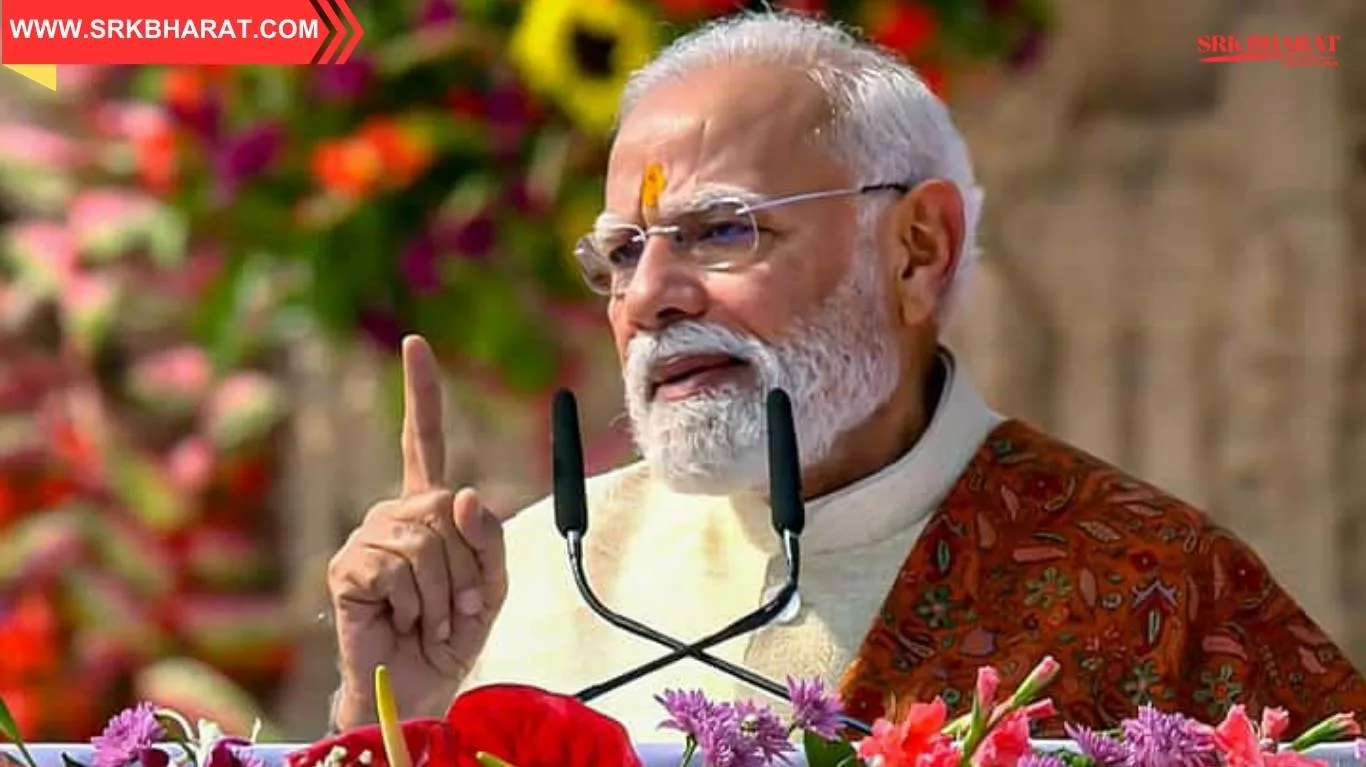
As India gears up for Budget 2026, Prime Minister Narendra Modi is scheduled to meet leading economists, policy experts, and industry representatives to discuss the FY27 fiscal roadmap. The consultations are expected to shape the government’s strategy for sustaining high growth, managing fiscal discipline, and addressing challenges in employment, infrastructure, and social welfare. This move highlights the government’s commitment to inclusive policymaking and long-term economic planning.
Background of the Fiscal Roadmap
- The Indian economy has shown resilience despite global uncertainties, with strong growth in manufacturing, services, and infrastructure.
- The FY27 roadmap is expected to focus on balancing fiscal consolidation with growth-oriented spending.
- Key areas of discussion include taxation reforms, capital expenditure, welfare schemes, and digital transformation.
- The government aims to align the budget with India’s vision of becoming a $7 trillion economy by 2030.
Key Highlights of Budget 2026 Preparations
| Indicator | Details |
|---|---|
| Event | PM Modi’s meeting with economists |
| Focus Areas | Growth, fiscal discipline, welfare, infrastructure |
| Fiscal Roadmap | FY27 strategy |
| Broader Impact | Economic growth, investor confidence, social welfare |
| Public Sentiment | Anticipation of reforms and relief measures |
Focus Areas of FY27 Fiscal Roadmap
| Factor | Government Priority | Economic Impact | Public Expectation |
|---|---|---|---|
| Fiscal Discipline | Reduce deficit, improve revenue | Strengthens investor confidence | Balanced taxation |
| Infrastructure Spending | Roads, railways, energy | Boosts growth and jobs | Better connectivity |
| Welfare Schemes | Healthcare, education, rural support | Improves living standards | Relief for vulnerable groups |
| Taxation Reforms | Simplify GST, widen tax base | Enhances compliance | Fairer system |
| Digital Economy | AI, fintech, e-governance | Expands innovation | Ease of access |
Why This Meeting Matters
- Economic Growth: The roadmap will determine how India sustains its growth momentum.
- Fiscal Consolidation: Balancing expenditure with revenue is crucial for long-term stability.
- Public Welfare: Citizens expect relief measures in healthcare, education, and employment.
- Global Positioning: A strong fiscal roadmap enhances India’s credibility in global markets.
Government’s Strategic Priorities
| Attribute | Details |
|---|---|
| Fiscal Deficit Target | Gradual reduction to sustainable levels |
| Capital Expenditure | Focus on infrastructure and green energy |
| Social Welfare | Expansion of healthcare and education programs |
| Taxation | Simplification and broadening of tax base |
| Innovation | Support for startups, digital economy, and AI |
Economists’ Likely Recommendations
- Increase capital expenditure to sustain growth.
- Strengthen fiscal discipline by reducing subsidies and improving tax compliance.
- Invest in renewable energy and sustainable infrastructure.
- Expand social safety nets to support vulnerable populations.
- Encourage private sector participation in job creation.
Challenges Ahead
- Global Uncertainty: Slowdowns in major economies could impact exports.
- Inflation: Rising input costs may affect consumer demand.
- Employment: Need for job creation in manufacturing and services.
- Fiscal Deficit: Balancing welfare spending with fiscal discipline.
- Climate Change: Ensuring sustainable growth amid environmental concerns.
Opportunities for India
- Manufacturing Hub: Strengthen position as an alternative to China in global supply chains.
- Digital Transformation: Expand fintech, AI, and e-governance initiatives.
- Green Economy: Invest in renewable energy and sustainable practices.
- Global Trade: Leverage trade agreements to boost exports.
- Skill Development: Train workforce for future industries.
Broader Context of India’s Economic Growth
- India has consistently outpaced other major economies in growth rates.
- The FY27 roadmap will align with long-term goals of becoming a $7 trillion economy by 2030.
- Infrastructure, digital economy, and welfare schemes remain central to India’s growth story.
- The government’s consultations reflect a commitment to inclusive and sustainable development.
Public Sentiment
- Citizens anticipate relief measures in taxation and welfare schemes.
- Businesses expect reforms to boost investment and ease of doing business.
- Social media discussions highlight optimism about India’s growth trajectory.
- Overall sentiment remains positive, with expectations of a balanced and forward-looking budget.
Conclusion
The Budget 2026 preparations and PM Modi’s meeting with economists mark a crucial step in shaping India’s FY27 fiscal roadmap. With priorities spanning fiscal discipline, infrastructure, welfare, and digital transformation, the roadmap is expected to balance growth with sustainability. As India moves toward its long-term vision of becoming a $7 trillion economy, the fiscal strategy will play a pivotal role in ensuring inclusive prosperity and global credibility.
Disclaimer
This article is intended for informational purposes only and does not constitute financial or investment advice. Fiscal policies, government actions, and public sentiments are subject to change based on evolving circumstances. Readers are encouraged to follow official updates for accurate information. The author and publisher are not responsible for any decisions made based on this article.