




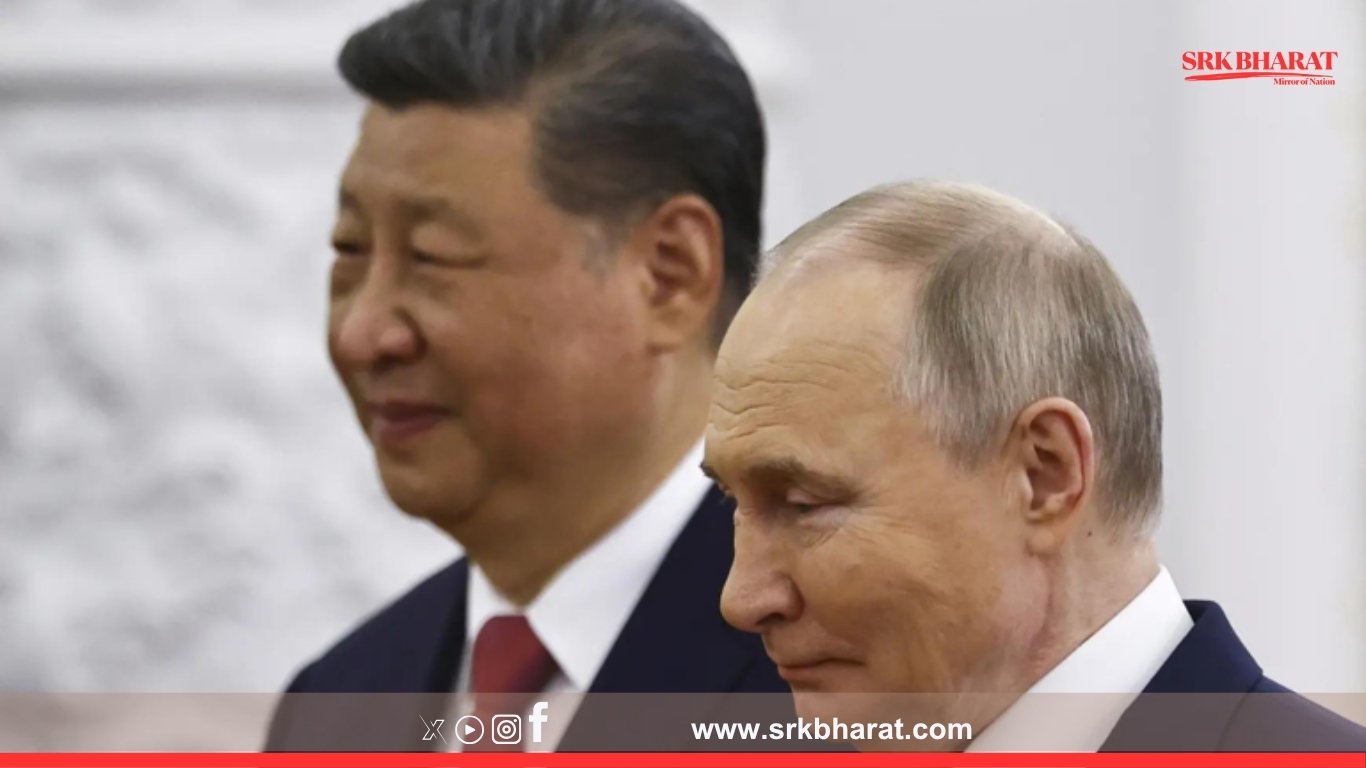
In a revelation that has triggered intense diplomatic discourse, Beijing has privately told European Union officials that it cannot afford to see Russia lose its war against Ukraine. The message, delivered by senior Chinese diplomats during recent strategic dialogues, reflects China’s deeper geopolitical calculations to keep the United States distracted in Europe while it expands influence in the Indo-Pacific.
China’s Unfiltered Position
According to senior EU officials briefed on the exchanges, Chinese envoys conveyed that:
- A Russian defeat would weaken China strategically
- Beijing sees Russia as a critical buffer against Western power
- The Ukraine war keeps US resources tied up in Europe, creating space for China in Asia
One EU diplomat summarised China’s stance as:
“They told us very clearly that Russia cannot lose. It is essential for their own strategic interests.”
Why China Wants Russia Strong
Analysts explain that Beijing’s support for Moscow is rooted in:
| Strategic Interest | Explanation |
|---|---|
| Counterbalance to US power | Russia’s military posture in Europe limits US capacity to pivot fully to Asia |
| Belt and Road security | Russia remains a key transit partner for energy and trade corridors |
| Anti-West alliance stability | A Russian defeat would fracture China-Russia diplomatic solidarity |
Dr. Yan Xuetong, an international relations expert at Tsinghua University, explained in a recent academic forum that “China needs Russia’s strategic weight to avoid full encirclement by US-led alliances.”
EU’s Growing Concerns
European policymakers fear that:
- China’s implicit backing is prolonging the war
- Beijing’s economic and dual-use technology support to Russia weakens Western sanctions effectiveness
- China is using the Ukraine conflict as geopolitical distraction to accelerate naval and air force expansion in the South China Sea and Taiwan Strait
US Distraction Strategy
Beijing’s military planners reportedly view the Ukraine war as an opportunity to:
- Divide US defence focus between Europe and Indo-Pacific theatres
- Delay full implementation of AUKUS and Quad strategic initiatives
- Test Western sanctions resilience ahead of any future Taiwan confrontation
| Region | Current US Military Commitment | Strategic Outcome for China |
|---|---|---|
| Europe (NATO, Ukraine support) | Billions in arms, rotational deployments, intelligence assets | US resources stretched; European allies dependent |
| Indo-Pacific (South China Sea, Taiwan) | Carrier groups, Guam base upgrades, Japanese missile defence integration | China gains preparation time; accelerates naval build-up |
China’s Public Neutrality vs Private Support
Officially, China maintains a neutral stance, calling for peace talks and cautioning against nuclear escalation. However, trade data shows:
- Record Chinese exports to Russia, including vehicles and electronics
- Significant increase in Chinese microchip exports, with concerns some dual-use chips could aid Russian military manufacturing
This dual approach allows China to avoid direct confrontation with the EU while quietly reinforcing Russia’s economic resilience.
Potential Risks For China
Despite short-term strategic benefits, experts warn of risks:
- Deeper EU-China decoupling – Europe is reassessing trade dependence on China, as it did with Russian gas.
- Secondary sanctions threat – US lawmakers are pushing for penalties on Chinese firms supplying dual-use components to Russia.
- Global reputation damage – Perceptions of enabling aggression may undercut China’s diplomatic ambitions in Africa, Latin America, and ASEAN.
Global Reactions
NATO Secretary General Jens Stoltenberg stated last week:
“China’s material and diplomatic support for Russia prolongs an illegal war. NATO remains vigilant about the implications for European and Indo-Pacific security.”
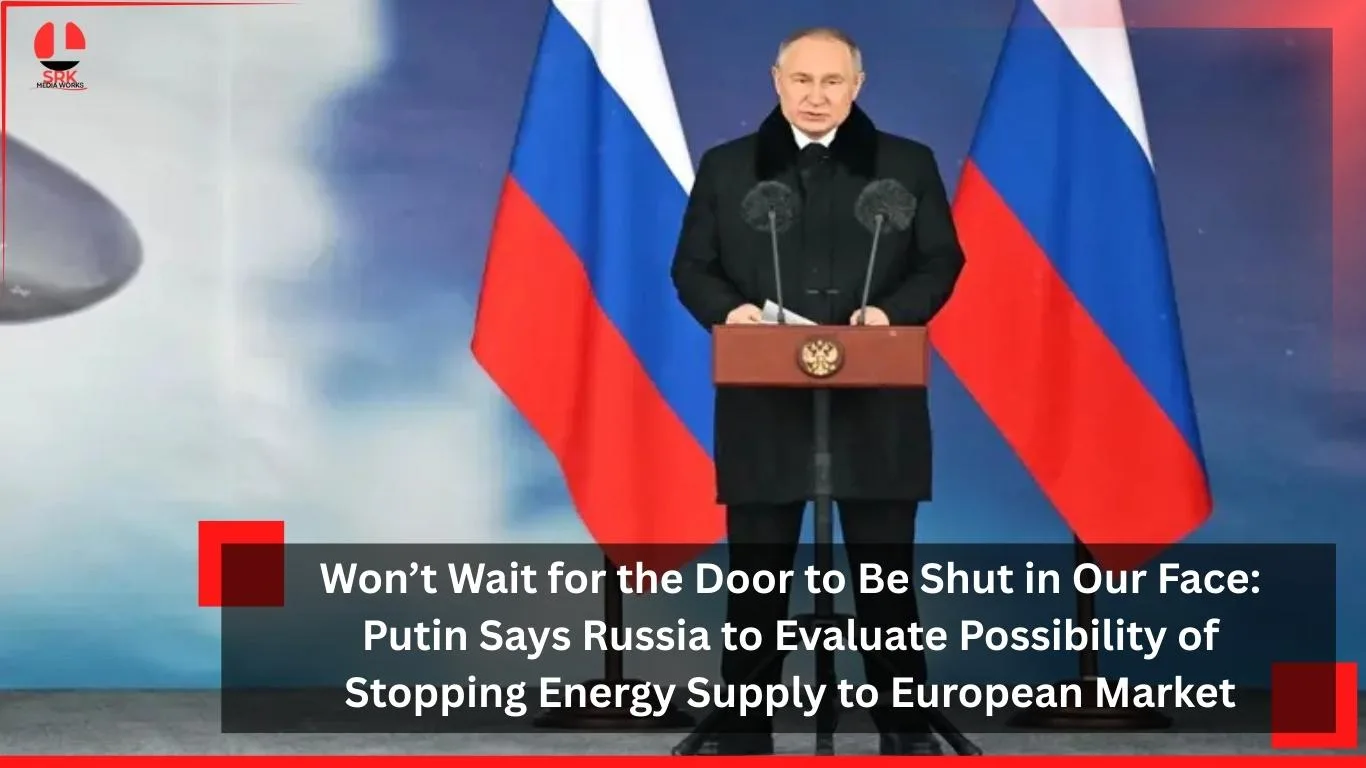
Russian President Vladimir Putin, meanwhile, expressed gratitude during his recent visit to Beijing, praising China’s “balanced position and strategic partnership.”
Impact on Ukraine War Trajectory
China’s quiet backing bolsters Russia’s confidence to continue:
- Winter drone and missile campaigns
- Slow grinding offensives in Donetsk and Zaporizhzhia regions
- Strategic stockpiling of munitions and technology
Ukrainian officials warn that Chinese tech flows, even if not direct weapons, strengthen Russia’s defence production capabilities amid Western sanctions.
Historical Context: China-Russia Strategic Ties
| Era | China-Russia Strategic Interaction |
|---|---|
| Cold War (1950s-60s) | Sino-Soviet alliance fractured by border clashes and ideological rifts |
| Post-Cold War (1990s) | Pragmatic rapprochement post USSR dissolution |
| 2010s-present | Strategic alignment against US hegemony; joint military exercises; diplomatic support |
This enduring strategic calculus underpins Beijing’s unwillingness to see a weakened or isolated Russia.
The Taiwan Variable
Many US Indo-Pacific commanders view the Ukraine war as a strategic rehearsal for Taiwan. China’s approach to the conflict tests:
- Western resolve under hybrid warfare
- Sanctions frameworks and loopholes
- Information warfare tactics
Way Forward: What Analysts Predict
- Prolonged conflict with limited negotiations – as Russia feels secure with Chinese backing.
- EU policy recalibration towards China – potential for tech and supply chain decoupling.
- Heightened US-China rivalry – spillover into South China Sea and Taiwan Strait tensions.
Conclusion: A Geopolitical Chessboard
China’s private admission to the EU about its unwillingness to see Russia lose the war underscores the war’s deeper global significance. Beyond Ukraine’s borders, it is a geopolitical contest with ripple effects across Europe, Asia, and the global economic order.
As Dr. Michael Clarke, a global security analyst, summarises:
“This is a 21st-century great power chessboard. China’s move to keep Russia afloat is not about Ukraine, but about countering American global leadership.”
Disclaimer: This news content is based on verified diplomatic briefings, academic analyses, and geopolitical assessments from multiple public domain sources. It is intended for informational purposes only and does not constitute formal diplomatic, military, or policy advice. Readers are advised to consult geopolitical experts and official government communications for authoritative updates and strategic interpretations. The publication bears no responsibility for actions taken based on this content.

большая кухня на заказ http://www.kuhni-spb-2.ru .