


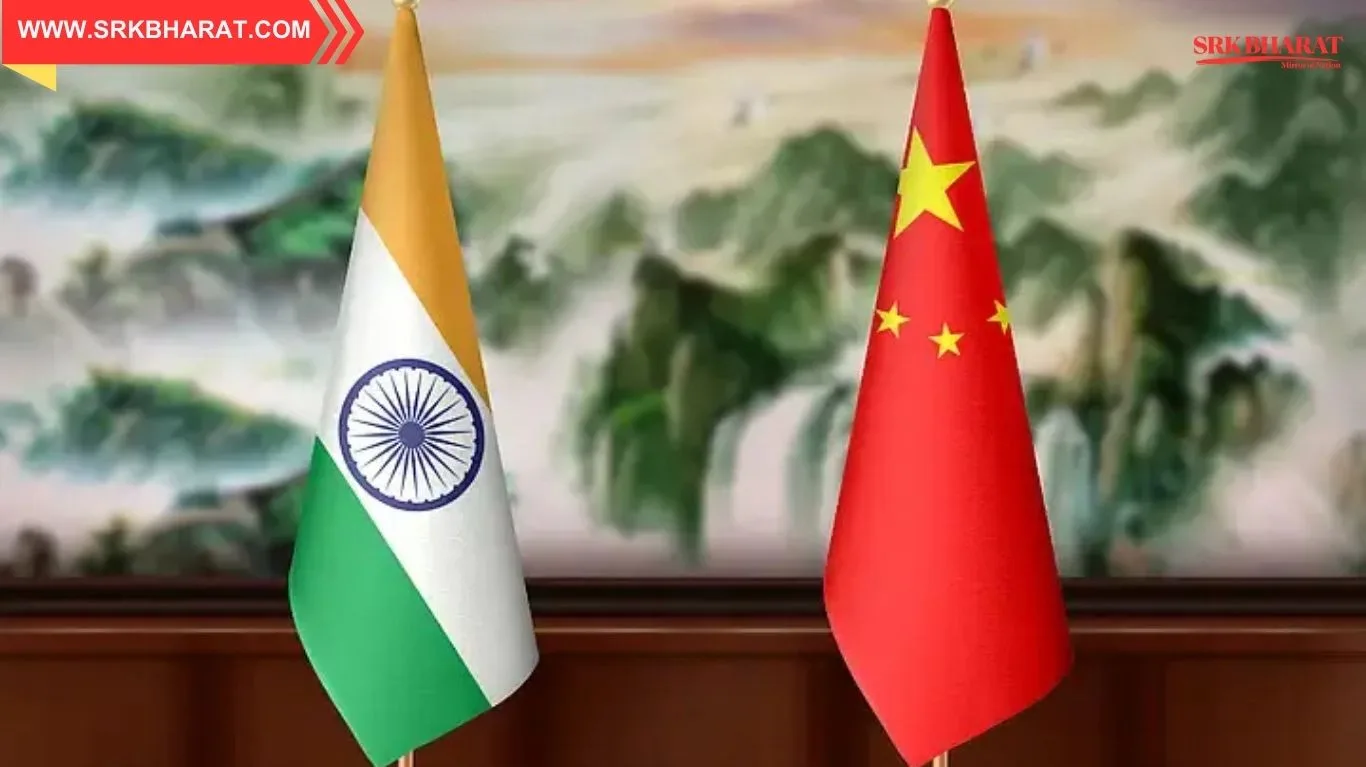
In a major development in global trade relations, China has formally taken India to the World Trade Organization (WTO), raising disputes over India’s telecom tariffs and subsidies provided under the ‘Make in India’ initiative. This move highlights growing tensions between the two Asian giants in the technology and trade sectors, with implications for global supply chains, domestic industries, and international diplomacy.
Background of the Dispute
- India has introduced higher tariffs on certain telecom products, citing the need to protect domestic manufacturers and strengthen national security.
- The ‘Make in India’ program, launched in 2014, provides subsidies and incentives to boost local manufacturing, including in telecom and electronics.
- China argues that these measures violate WTO rules by creating unfair trade barriers and discriminating against foreign companies.
- India, however, maintains that its policies are aimed at promoting self-reliance, reducing import dependency, and safeguarding strategic sectors.
Key Highlights of the Case
| Indicator | Details |
|---|---|
| Dispute Raised By | China |
| Against | India |
| Forum | World Trade Organization (WTO) |
| Issues | Telecom tariffs, ‘Make in India’ subsidies |
| India’s Position | Protecting domestic industry, promoting self-reliance |
| China’s Position | Claims of unfair trade practices and discrimination |
| Global Impact | Could affect telecom supply chains and trade relations |
India vs China Positions at WTO
| Factor | India’s Position | China’s Position | Implication |
|---|---|---|---|
| Telecom Tariffs | Necessary to protect domestic industry and national security | Excessive and discriminatory | WTO to assess compliance |
| ‘Make in India’ Subsidies | Incentives for local manufacturing | Unfair advantage to Indian firms | May trigger reforms or penalties |
| Trade Balance | Reduce import dependency | Maintain export access to Indian market | Impacts bilateral trade |
| Global Supply Chains | Strengthen domestic production | Ensure fair competition | Could affect global telecom industry |
Why This Case Matters
- Global Trade Rules: The dispute tests the limits of WTO rules on subsidies and tariffs.
- India’s Industrial Policy: Highlights India’s push for self-reliance in critical sectors.
- China’s Export Interests: Reflects China’s concerns about losing access to India’s large telecom market.
- Geopolitical Context: Adds another layer to India-China tensions beyond border disputes.
India’s Telecom Tariffs
| Attribute | Details |
|---|---|
| Purpose | Protect domestic manufacturers, reduce imports |
| Products Affected | Telecom equipment, electronics |
| Justification | National security, industrial growth |
| Criticism | Seen as trade barriers by China |
India’s tariffs are part of a broader strategy to encourage domestic production and reduce reliance on imports, particularly from China.
‘Make in India’ Subsidies
| Attribute | Details |
|---|---|
| Initiative | Launched in 2014 |
| Focus | Boost local manufacturing in telecom, electronics, defense |
| Incentives | Tax breaks, subsidies, production-linked incentives |
| Criticism | China claims these distort competition and violate WTO rules |
The subsidies under ‘Make in India’ have been crucial in attracting investment and building domestic capacity, but they are now under scrutiny at the WTO.
Expert Opinions
- Trade Analysts: View the case as a test of WTO’s ability to handle disputes between major economies.
- Economists: Highlight the importance of balancing self-reliance with global trade commitments.
- Industry Leaders: Express concern about potential disruptions in telecom supply chains.
- Policy Makers: Emphasize India’s right to protect strategic sectors.
Challenges Ahead
- Legal Complexity: WTO cases often take years to resolve.
- Economic Impact: Potential penalties or reforms could affect India’s industrial policies.
- Diplomatic Relations: The case may strain India-China ties further.
- Global Supply Chains: Telecom companies worldwide may face uncertainty.
Opportunities for India
- Strengthening Domestic Industry: Use the dispute to reinforce self-reliance policies.
- Global Partnerships: Collaborate with other countries to diversify supply chains.
- Policy Reforms: Align subsidies with WTO rules while maintaining incentives.
- Strategic Positioning: Showcase India’s commitment to fair trade and industrial growth.
Broader Context of WTO Disputes
- WTO serves as the global forum for resolving trade disputes.
- Cases involving major economies like India and China attract global attention.
- The outcome could set precedents for future disputes on industrial policies and subsidies.
- The case reflects the tension between globalization and national self-reliance.
Public Sentiment
- Indian citizens largely support policies that promote self-reliance and reduce dependency on China.
- Industry stakeholders express concern about potential disruptions in telecom imports and exports.
- Global observers view the case as a critical test of WTO’s relevance in modern trade.
- Social media debates highlight national pride in ‘Make in India’ but also concerns about global compliance.
Conclusion
The decision by China to take India to the WTO over telecom tariffs and ‘Make in India’ subsidies underscores the growing friction between the two nations in trade and technology. While India defends its policies as essential for self-reliance and national security, China argues they violate global trade rules. The case will not only impact bilateral relations but also shape global supply chains and test the WTO’s ability to mediate disputes in an era of rising protectionism. As the proceedings unfold, the world will closely watch how India balances its domestic priorities with international commitments.
Disclaimer
This article is intended for informational purposes only and does not constitute legal or policy advice. Trade disputes, WTO proceedings, and government policies are subject to change based on evolving circumstances. Readers are encouraged to follow official updates for accurate information. The author and publisher are not responsible for any decisions made based on this article.