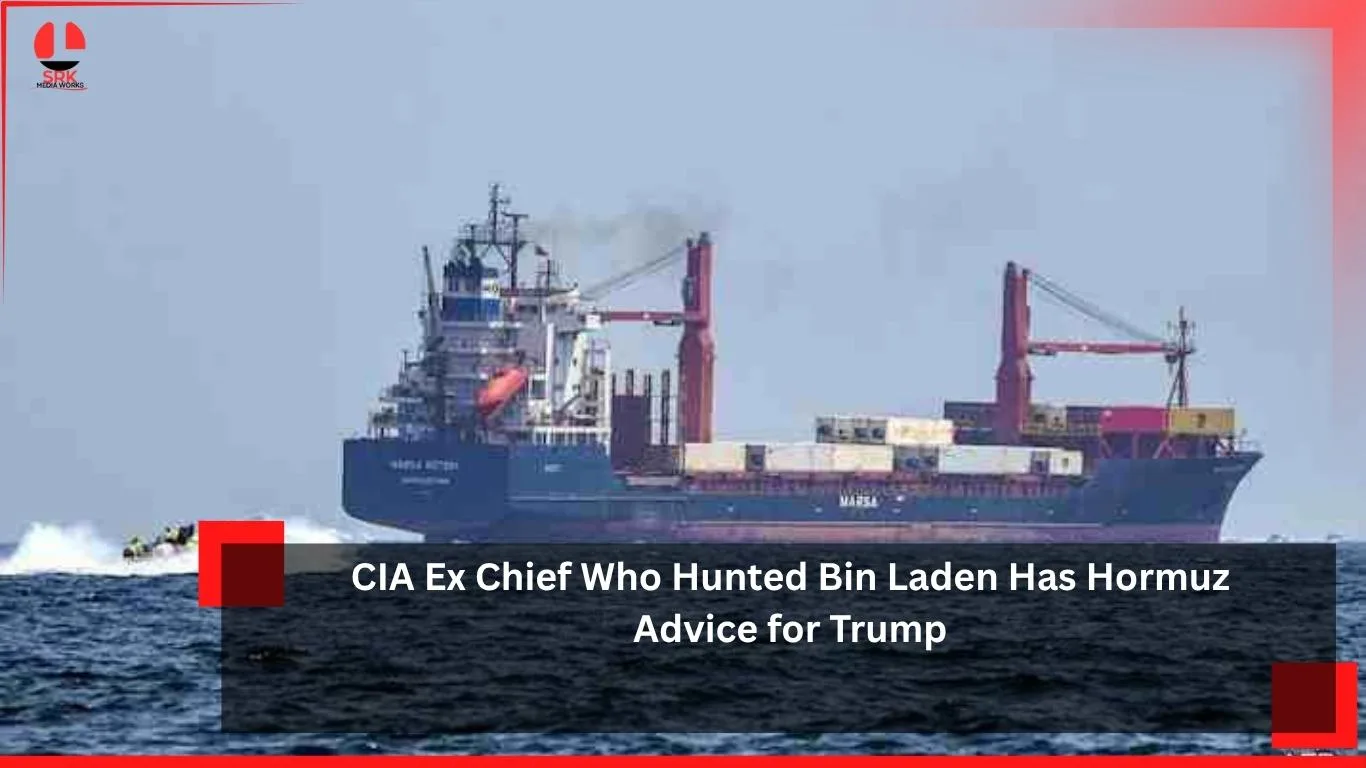
A former CIA Director, known for overseeing the mission that led to the killing of Osama bin Laden, has issued a strong advisory to U.S. President Donald Trump regarding the escalating tensions in the Strait of Hormuz. His remarks come at a time when Iran’s military maneuvers and U.S. ultimatums have raised fears of a wider conflict that could destabilize global energy markets.
The Advice to Trump
The ex-CIA chief emphasized that the Strait of Hormuz, through which nearly 20% of the world’s oil supply passes, is too strategically vital to risk reckless escalation. He advised Trump to:
- Avoid direct confrontation with Iran unless absolutely necessary.
- Strengthen diplomatic channels to reduce misunderstandings.
- Enhance naval security without provoking Iran into further aggression.
- Work with allies to ensure freedom of navigation while maintaining global stability.
Why Hormuz Matters
- Energy Security: Disruption could send oil prices skyrocketing.
- Global Trade: The strait is a lifeline for shipping routes.
- Military Strategy: Control of Hormuz is a leverage point for Iran.
- Diplomatic Balance: Missteps could trigger wider regional conflict.
Comparative Analysis of U.S. Strategies in Hormuz
| Strategy | Past Approach | Current Risks | Recommended Adjustment |
|---|---|---|---|
| Military Presence | Heavy deployment | Escalation with Iran | Balanced deterrence |
| Diplomatic Pressure | Sanctions-led | Limited impact | Multilateral engagement |
| Energy Diversification | Slow progress | Vulnerability remains | Accelerate alternatives |
| Allied Cooperation | Fragmented | Weak coordination | Stronger NATO-Gulf ties |
This comparison shows that while military presence has been the default, the ex-CIA chief urges Trump to prioritize diplomacy and alliances.
Pivot Analysis: Risks and Opportunities
| Factor | Short-Term Impact | Long-Term Consequence |
|---|---|---|
| Escalation | Rising oil prices | Global recession risk |
| Diplomacy | Reduced tensions | Sustainable stability |
| Naval Security | Safer shipping routes | Increased defense costs |
| Energy Alternatives | Short-term strain | Long-term resilience |
Lessons from Bin Laden Hunt
The former CIA chief drew parallels between the bin Laden mission and current tensions, stressing that intelligence, patience, and coalition-building were key to success. He warned Trump that rushing into confrontation without a clear strategy could backfire, just as reckless moves in counterterrorism often did.
Global Reactions
- Europe: Calls for restraint, fearing economic fallout.
- Asia: Concern over oil supply disruptions.
- Middle East: Gulf nations urge U.S. protection but fear escalation.
- Markets: Oil futures already showing volatility.
Possible Outcomes
- De-escalation: Diplomacy prevails, ensuring safe passage through Hormuz.
- Escalation: Military confrontation disrupts oil supply and destabilizes markets.
- Strategic Shift: U.S. invests heavily in alternative energy and diversified routes.
Conclusion
The warning from the CIA ex chief who hunted Bin Laden serves as a sobering reminder of the stakes in the Strait of Hormuz. His advice to Trump—avoid reckless escalation, strengthen diplomacy, and secure alliances—reflects the delicate balance between military power and global stability.
As tensions rise, the world watches closely, aware that decisions made in Washington could determine not only the fate of the Middle East but also the stability of global energy markets.
Disclaimer: This article is based on reported statements and geopolitical analysis. It does not represent classified intelligence or official government positions. The content is intended for informational purposes only and should not be interpreted as definitive military or diplomatic guidance.