





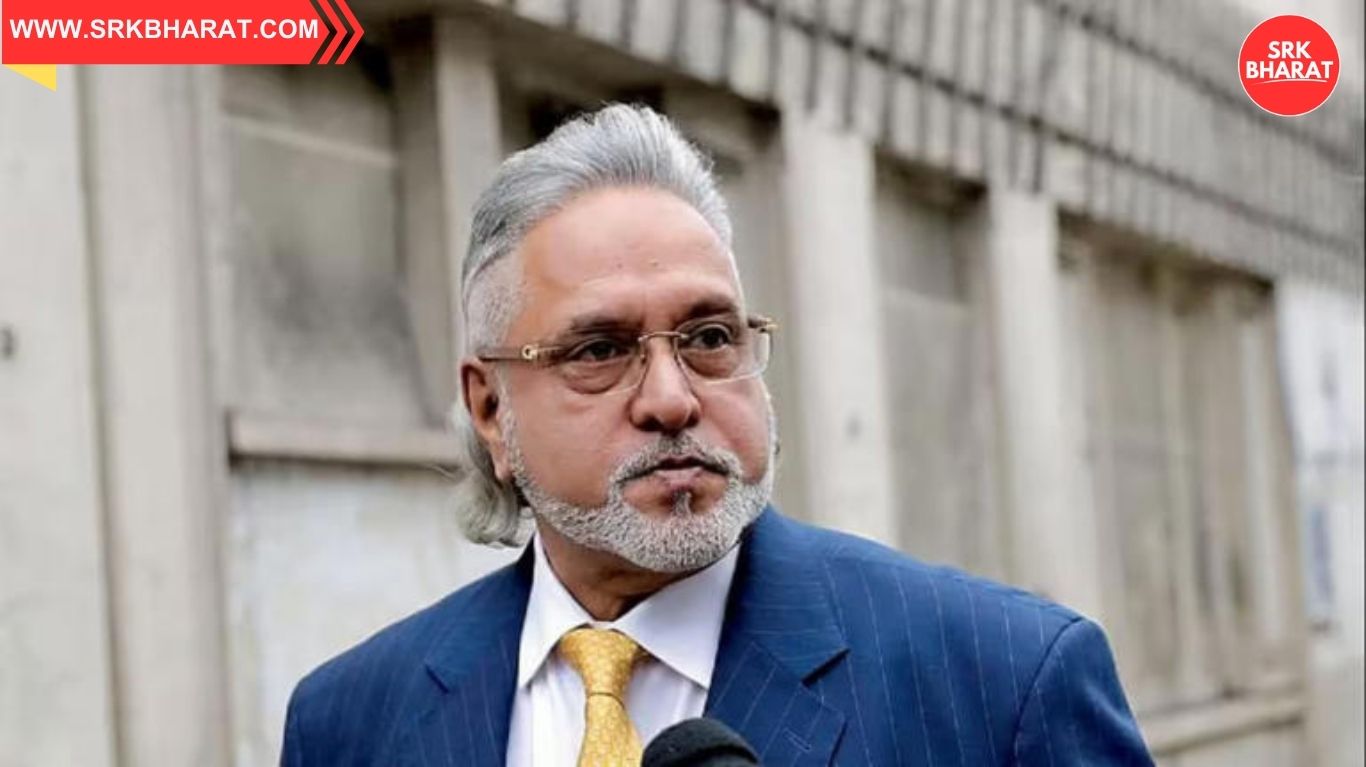
The Bombay High Court has issued a stern warning to fugitive businessman Vijay Mallya, urging him to “come back to India” while hearing his plea challenging the constitutional validity of the Fugitive Economic Offenders (FEO) Act. The court’s remarks highlight the judiciary’s firm stance against individuals accused of large-scale financial frauds who continue to remain abroad while contesting Indian laws.
Background of the Case
- Vijay Mallya, once hailed as the “King of Good Times,” faces charges of financial fraud and defaulting on loans worth thousands of crores.
- He was declared a fugitive economic offender under the FEO Act in 2018.
- Mallya has been residing in the UK since 2016, resisting extradition to India.
- His legal team filed a plea challenging the constitutional validity of the FEO Act, arguing that it violates fundamental rights.
Bombay HC’s Observations
- The court noted that Mallya continues to remain outside India while seeking relief under Indian law.
- Judges emphasized that if Mallya wishes to contest the Act, he must return to India and face trial.
- The warning “come back to India” reflects the judiciary’s insistence on accountability.
Fugitive Economic Offenders Act: Key Provisions
| Provision | Explanation |
|---|---|
| Definition of Fugitive | Person against whom warrant is issued for economic offences and who refuses to return to India |
| Attachment of Property | Authorities can confiscate assets of declared offenders |
| Threshold | Offences involving amounts over Rs 100 crore |
| Objective | Prevent offenders from evading Indian law by staying abroad |
The Act was designed to tackle high-profile cases like Mallya’s, ensuring that offenders cannot escape accountability.
Mallya’s Defence
- His legal team argues that the Act is unconstitutional and violates the right to equality.
- They claim that confiscation of property without trial is excessive.
- Mallya maintains that he has been unfairly targeted and continues to resist extradition.
Comparative Analysis of Global Laws
| Country | Law Against Economic Offenders | Key Feature |
|---|---|---|
| India | Fugitive Economic Offenders Act | Confiscation of property, extradition focus |
| USA | RICO Act | Targets organized financial crimes |
| UK | Proceeds of Crime Act | Seizure of assets linked to crime |
| Singapore | Corruption, Drug Trafficking and Other Serious Crimes Act | Asset forfeiture |
This comparison shows that India’s FEO Act aligns with global practices of asset confiscation and accountability.
Public and Political Reaction
- Public Sentiment: Many view the HC’s warning as a strong message against financial offenders.
- Political Debate: Opposition parties highlight the need for stricter enforcement.
- Financial Sector: Banks and lenders see the Act as a deterrent against large-scale defaults.
Challenges Ahead
- Extradition Process: Mallya’s continued stay in the UK complicates enforcement.
- Legal Delays: Prolonged hearings may weaken the deterrent effect of the Act.
- International Diplomacy: India must balance legal pursuit with diplomatic relations.
Conclusion
The Bombay High Court’s warning to Vijay Mallya underscores the judiciary’s determination to uphold the Fugitive Economic Offenders Act. While Mallya has the right to challenge the law, the court insists that he must return to India to do so. The case highlights the broader struggle against financial crimes and the importance of accountability in safeguarding India’s economic integrity.
Disclaimer
This article is based on publicly available information and journalistic analysis of the Bombay High Court’s proceedings regarding Vijay Mallya and the Fugitive Economic Offenders Act. It is intended for informational purposes only and does not represent insider accounts or official legal judgments. Readers should view this as a balanced overview of the situation.