





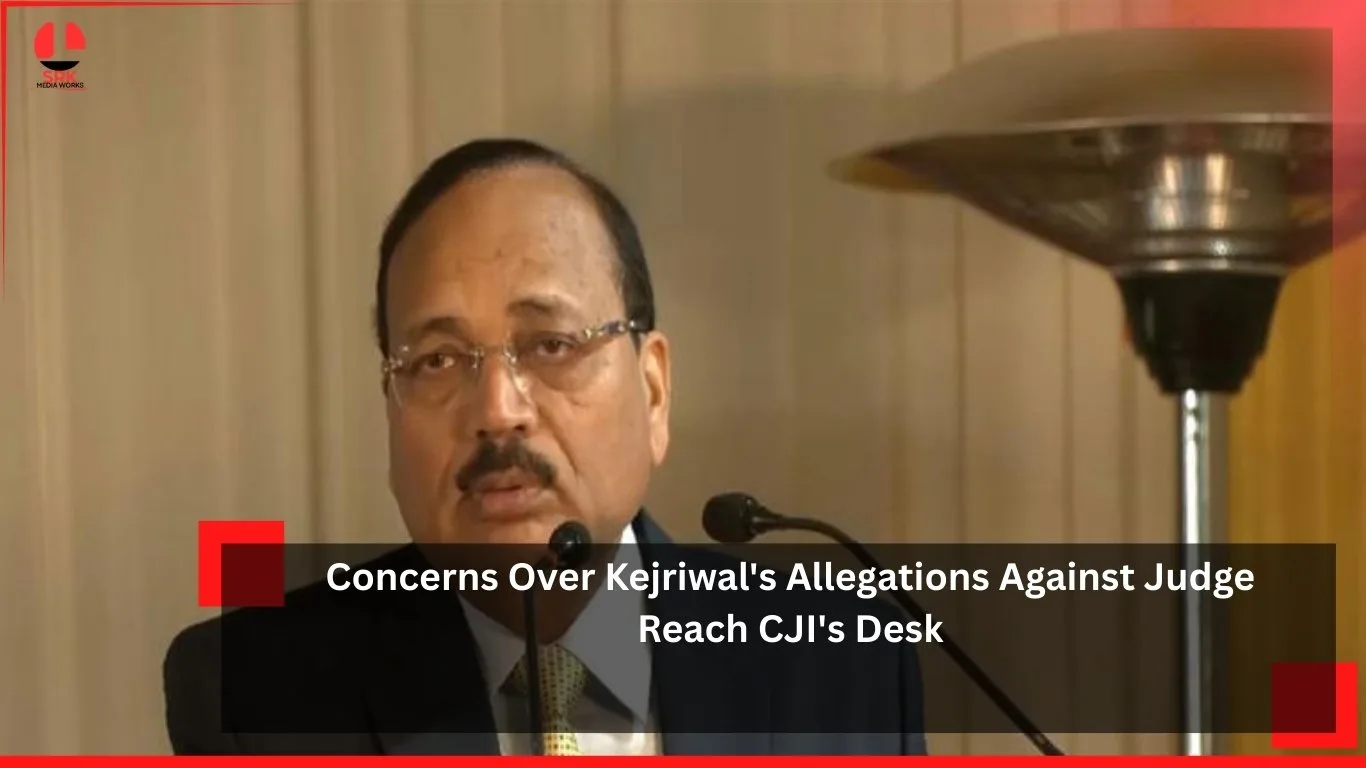
A significant development has unfolded in India’s judicial and political landscape as concerns regarding remarks made by Delhi’s Chief Minister against a sitting judge have reportedly reached the desk of the Chief Justice of India. This escalation underscores the seriousness of the matter, intertwining governance, judicial independence, and public trust.
Background
The controversy began when statements made by a political leader about a judge sparked widespread debate. Critics argued that such remarks could undermine the credibility of the judiciary, while supporters claimed they reflected frustration with perceived biases in certain rulings.
The judiciary, being the cornerstone of democracy, must maintain impartiality and independence. Allegations from political leaders, especially those in power, can create ripple effects across institutions and public perception.
Why This Matters
- Judicial Independence: Remarks against judges raise questions about impartiality and credibility.
- Political Accountability: Leaders are expected to uphold respect for institutions while voicing concerns responsibly.
- Public Trust: Citizens rely on the judiciary as a neutral arbiter; controversies can erode confidence.
- Institutional Balance: The matter highlights the delicate relationship between politics and the judiciary.
Key Highlights
| Aspect | Details |
|---|---|
| Issue Raised | Remarks against a judge |
| Escalation | Matter reached CJI’s desk |
| Impact | Debate on judicial independence |
| Public Reaction | Divided between criticism and support |
| Broader Effect | Strains between politics and judiciary |
Comparative Analysis of Similar Incidents
| Year | Incident | Reaction | Outcome |
|---|---|---|---|
| 2013 | Political leader criticized judicial verdict | Widespread debate | No formal action taken |
| 2017 | Allegations against judicial bias | Mixed public response | Strengthened calls for reforms |
| 2020 | Remarks on judicial handling of protests | Criticism from legal experts | Reaffirmation of judicial independence |
| 2024 | Comments on judge’s ruling in corruption case | Polarized reactions | Escalated to higher judicial authorities |
This comparison shows how remarks against judges have historically triggered debates about judicial independence and accountability.
Public Reactions
- Supporters of the Leader: Applauded the remarks as a bold stand against perceived bias.
- Critics: Condemned the statements, warning they could undermine the judiciary’s credibility.
- Neutral Analysts: Emphasized the importance of balancing free speech with respect for institutions.
Stakeholder Breakdown
| Stakeholder | Position | Impact |
|---|---|---|
| Political Leader | Made controversial remarks | Sparked debate on judicial independence |
| Judiciary | Maintains impartiality | Faces scrutiny and pressure |
| Citizens | Divided opinions | Confidence in institutions affected |
| Media | Amplified controversy | Increased public awareness |
| Legal Experts | Called for restraint | Advocated respect for judicial processes |
Broader Impact
The controversy underscores the challenges of maintaining institutional harmony in a democracy. While political leaders have the right to voice concerns, remarks against judges can destabilize public trust. The judiciary’s role as a neutral arbiter becomes even more critical in such times, ensuring that justice remains impartial and credible.
For citizens, the incident serves as a reminder of the importance of respecting institutions. For policymakers, it highlights the need to balance accountability with restraint.
Conclusion
The escalation of concerns to the Chief Justice of India reflects the gravity of the situation. It is a reminder that in a democracy, institutions must coexist with mutual respect. While political leaders may express frustration, safeguarding judicial independence is essential for maintaining public trust and democratic stability.
Disclaimer
This article is intended for informational purposes only and does not constitute legal or political advice. The content is based on publicly available information and analysis at the time of writing. Readers are encouraged to consider multiple perspectives before forming conclusions on sensitive institutional matters.