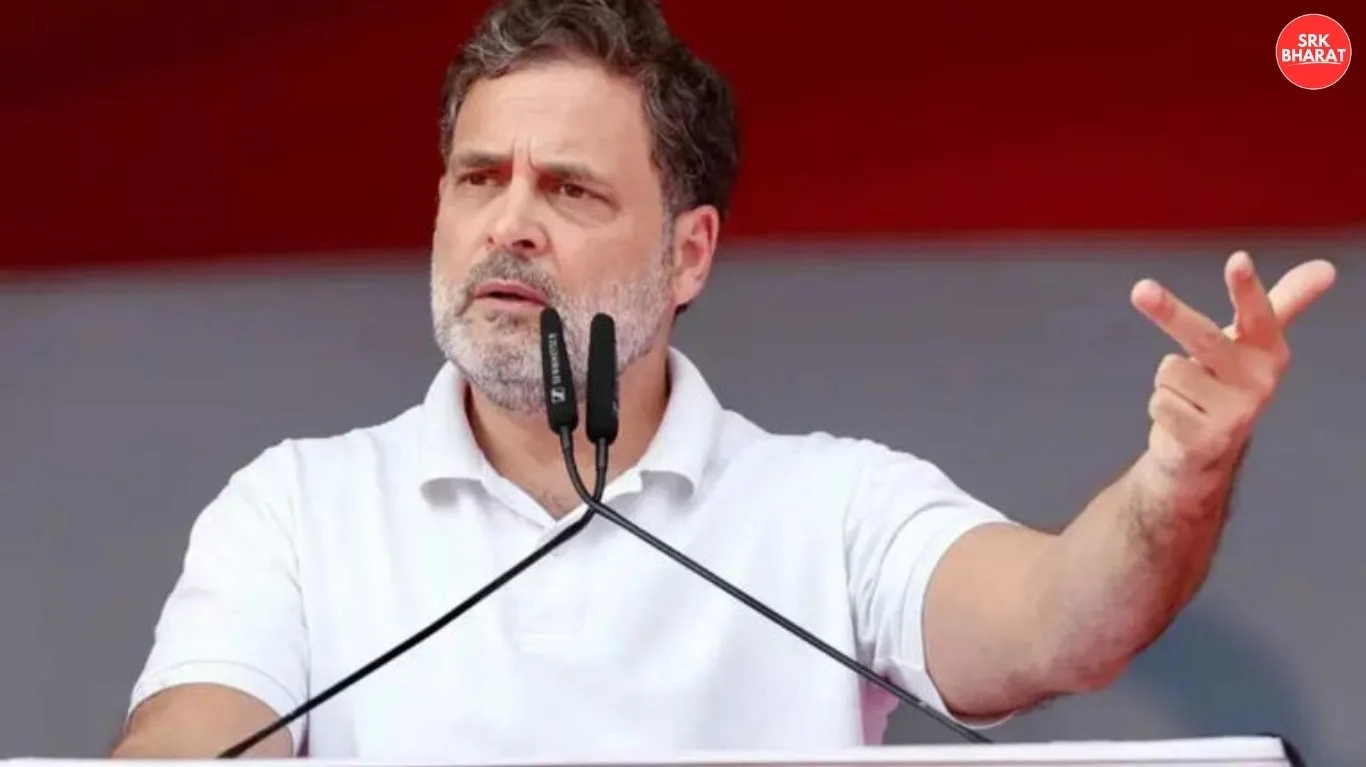


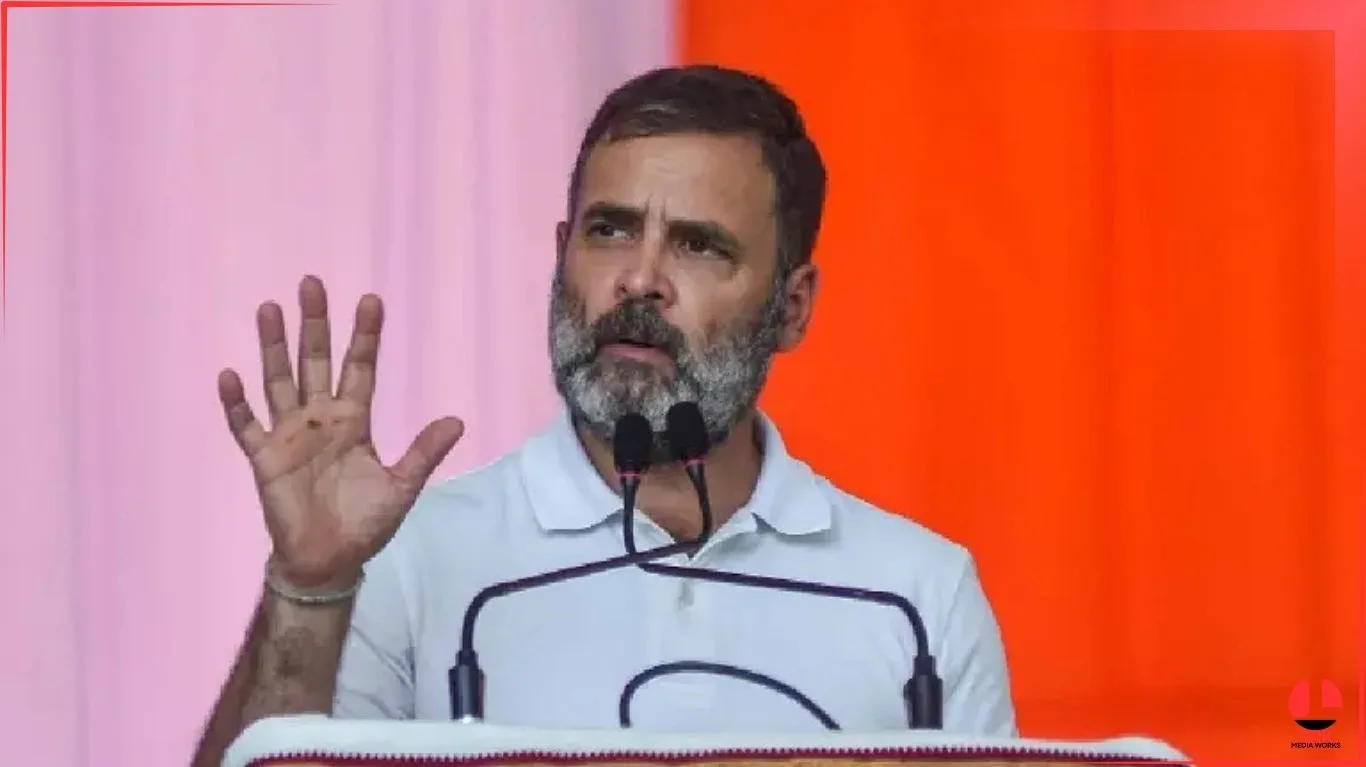
The political landscape in India has once again heated up as the Congress party strongly criticized the Bharatiya Janata Party (BJP) for what it described as repeated and deliberate targeting of Rahul Gandhi. In a sharp statement, Congress leaders accused the ruling party of displaying “political insecurity” by focusing its attacks on Gandhi rather than addressing pressing national issues. This development has sparked intense debate across political circles, media platforms, and among citizens, highlighting the deepening rivalry between the two major parties.
Background of the Political Clash
Rahul Gandhi, a prominent leader of the Congress party, has often been at the center of BJP’s criticism. From his speeches to his public campaigns, Gandhi’s actions are frequently scrutinized by BJP leaders. Congress, however, argues that this constant targeting is a sign of BJP’s insecurity and fear of Gandhi’s growing influence, especially among the youth and grassroots voters.
Congress’s Key Arguments
- Political Insecurity: Congress claims BJP’s repeated focus on Rahul Gandhi shows fear of his rising popularity.
- Diversion Tactics: The opposition alleges that BJP is using Gandhi as a distraction from economic and social challenges.
- Strengthening Democracy: Congress insists that criticism of its leader only strengthens its resolve to fight for democratic values.
BJP’s Counter Position
While Congress accuses BJP of insecurity, BJP leaders argue that Rahul Gandhi’s statements and actions warrant scrutiny. They maintain that Gandhi’s political style and rhetoric often challenge the government’s credibility, making him a natural target for political debate.
Comparative Analysis of Political Strategies
| Party | Strategy Against Opponents | Public Perception | Challenges Faced |
|---|---|---|---|
| Congress | Defends Rahul Gandhi, accuses BJP of insecurity | Gains sympathy among supporters | Needs stronger national narrative |
| BJP | Criticizes Gandhi’s leadership and statements | Seen as assertive by supporters | Risk of appearing overly focused on one leader |
Analysis of Political Sentiment
| Sentiment Category | Impact on Congress | Impact on BJP |
|---|---|---|
| Supporter Morale | Boosted – Gandhi seen as resilient | Mixed – focus may appear excessive |
| Media Coverage | Extensive – portrays Congress as defensive | Balanced – highlights BJP’s aggression |
| Opposition Unity | Strengthened – allies rally around Gandhi | Consolidates BJP’s base |
| Voter Perception | Gandhi seen as victim of attacks | BJP seen as dominant but insecure |
Public Reaction
Citizens across India have expressed divided opinions. Supporters of Congress view the attacks on Rahul Gandhi as evidence of his growing importance in national politics. BJP supporters, on the other hand, argue that Gandhi’s leadership style invites criticism. Social media platforms are flooded with debates, memes, and discussions, making this one of the most talked-about political developments of the season.
Broader Implications
This clash between Congress and BJP has broader implications for Indian politics:
- Polarization: The rivalry deepens political polarization across the country.
- Election Strategy: Both parties are likely to use this narrative in upcoming campaigns.
- Public Discourse: The focus on personalities may overshadow policy discussions.
Challenges Ahead
Both parties face challenges in navigating this political battle:
- Congress: Needs to convert sympathy for Rahul Gandhi into electoral gains.
- BJP: Must balance criticism of Gandhi with addressing national issues.
- Voters: Require clarity on policies rather than personality-driven politics.
Conclusion
The Congress party’s accusation that BJP’s targeting of Rahul Gandhi reflects “political insecurity” adds another layer to India’s dynamic political narrative. Whether this strategy benefits Congress or strengthens BJP’s dominance remains to be seen, but one thing is clear: Indian politics continues to be shaped by intense rivalries, personality-driven debates, and the struggle for public perception.
Disclaimer
This article is a journalistic analysis based on publicly available political statements and debates. It does not endorse or oppose any political party or leader. Readers are encouraged to interpret the content as informative coverage and verify facts independently before forming opinions.