

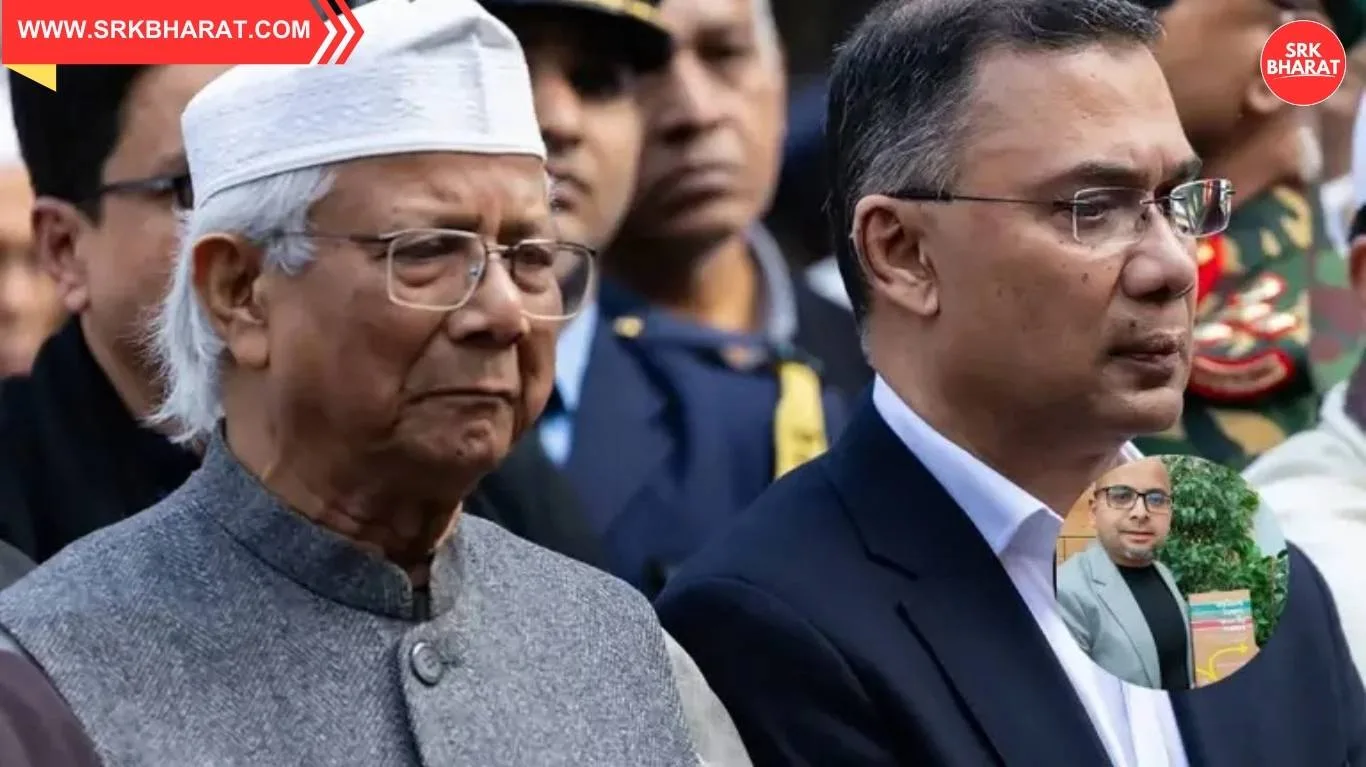
Bangladesh’s political landscape is once again in the spotlight as corruption allegations emerge just as Tarique Rahman, acting chairman of the Bangladesh Nationalist Party (BNP), prepares to assume a more direct leadership role. At the same time, close aides of Nobel laureate Muhammad Yunus are facing scrutiny, adding another layer of complexity to the country’s governance and accountability debates.
Background
Bangladesh has long grappled with issues of corruption, political patronage, and governance challenges. Tarique Rahman, son of former Prime Minister Khaleda Zia, has been a controversial figure in national politics. His return to a more active role coincides with heightened allegations of corruption within political and business circles.
Meanwhile, Yunus, globally recognized for his microfinance initiatives, has seen his associates come under investigation, raising questions about transparency in organizations linked to him.
Tarique Rahman’s Political Position
- BNP Leadership: Tarique Rahman has been acting chairman of the BNP since Khaleda Zia’s imprisonment and declining health.
- Return to Prominence: His increased involvement signals BNP’s strategy to consolidate leadership ahead of future elections.
- Controversial Past: Tarique has faced multiple corruption charges in the past, though he has consistently denied wrongdoing.
Allegations of Corruption
Recent claims suggest that networks tied to political figures and business leaders may have engaged in questionable financial practices.
- Financial Mismanagement: Reports highlight irregularities in contracts and procurement.
- Political Patronage: Allegations suggest that loyalty to political factions influenced resource allocation.
- International Concerns: Transparency advocates warn that corruption could undermine Bangladesh’s global reputation.
Yunus’ Aide Under Scrutiny
Associates of Muhammad Yunus, particularly those linked to his development initiatives, are now facing investigations.
- Governance Issues: Questions have been raised about financial accountability in organizations connected to Yunus.
- Political Angle: Critics argue that scrutiny may be politically motivated, given Yunus’ strained relations with the government.
- Public Perception: While Yunus remains respected internationally, domestic controversies have dented his image.
Comparative Analysis of Leadership Challenges
| Leader | Role in Bangladesh | Allegations Faced | Public Perception |
|---|---|---|---|
| Tarique Rahman | BNP Acting Chairman | Corruption charges | Divisive figure |
| Khaleda Zia | Former PM | Multiple corruption cases | Declining influence |
| Muhammad Yunus | Nobel Laureate | Governance concerns via aides | Internationally respected, domestically contested |
Corruption Allegations vs Political Stability
| Category | Current Situation | Impact on Governance | Strategic Outlook |
|---|---|---|---|
| Political Leadership | Tarique Rahman rising | Questions of credibility | BNP consolidation |
| Business Integrity | Yunus’ aide under probe | Transparency concerns | Possible reforms |
| Public Trust | Eroding due to allegations | Weakening institutions | Need for accountability |
| International Image | Mixed signals | Risk of reputational damage | Pressure for reforms |
Reactions from Stakeholders
- BNP Supporters: Many dismiss allegations against Tarique as politically motivated.
- Government Critics: They argue that corruption claims highlight systemic issues.
- Civil Society: Advocacy groups demand stronger accountability mechanisms.
- International Observers: Concerned about governance standards and democratic stability.
Governance Challenges
Bangladesh faces several pressing challenges that are exacerbated by corruption allegations:
- Institutional Weakness: Lack of independent oversight bodies.
- Economic Risks: Corruption undermines investor confidence.
- Social Impact: Public frustration grows as services are affected.
- Political Polarization: Allegations deepen divides between ruling and opposition parties.
Future Outlook
Analysts suggest multiple possible scenarios:
- BNP Consolidation: Tarique Rahman strengthens his leadership despite controversies.
- Legal Battles: Ongoing corruption cases could hinder political stability.
- International Pressure: Global institutions may push for reforms in governance.
- Public Mobilization: Citizens may demand greater accountability from leaders.
Conclusion
The emergence of corruption claims as Tarique Rahman prepares to take charge, alongside scrutiny of Yunus’ aide, underscores the fragile balance between politics, governance, and accountability in Bangladesh. While supporters view these developments as politically motivated, critics argue they highlight systemic flaws. The coming months will be crucial in determining whether Bangladesh can strengthen its institutions or remain mired in controversy.
Disclaimer
This article is based on political developments, public reports, and analytical interpretations. It is intended for informational purposes only and does not represent official positions of political parties, government institutions, or individuals mentioned. Political dynamics are fluid, and interpretations may change as new information emerges.