


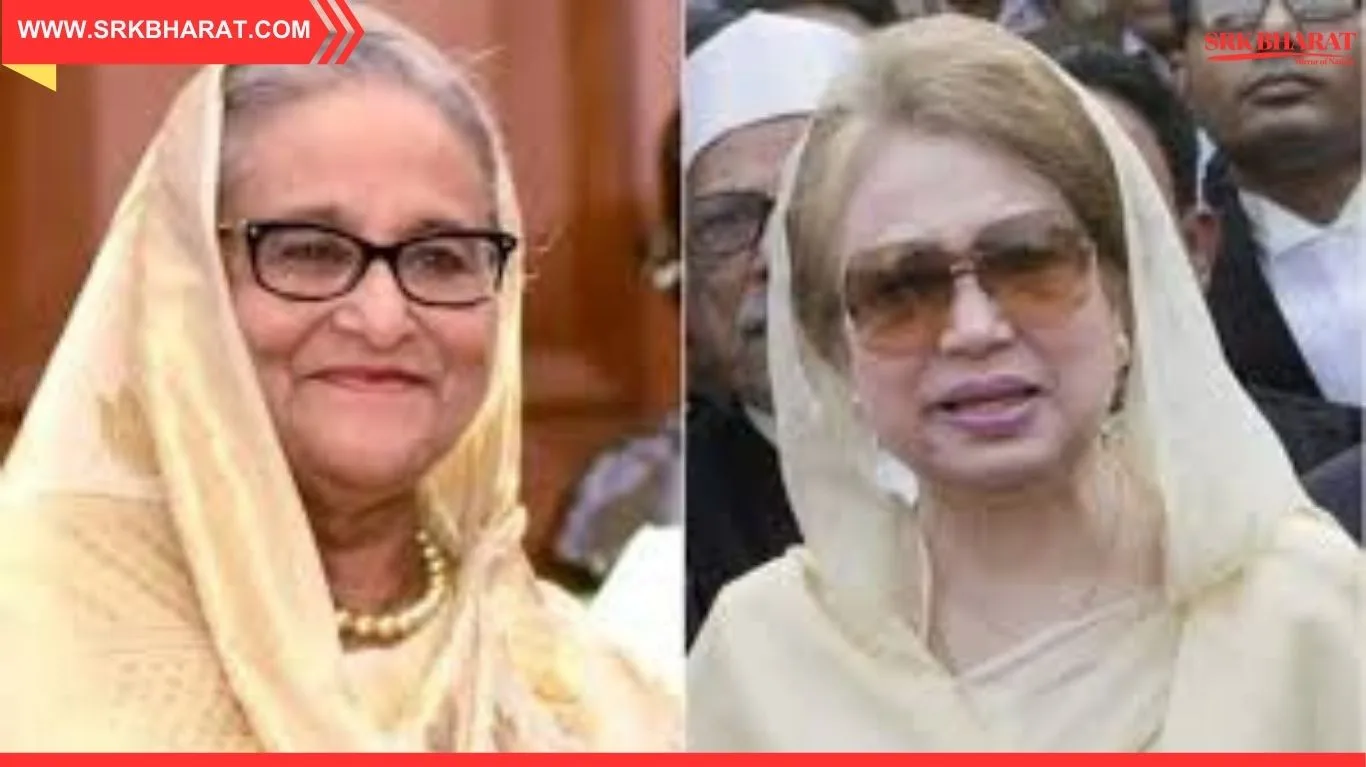
Bangladesh’s political landscape is bracing for a dramatic development as Tarique Rahman, the self-exiled son of former Prime Minister Khaleda Zia, is set to return to Dhaka on December 25 after 17 years in London. The announcement comes at a time of deep concern for the 80-year-old BNP chairperson, whose health has deteriorated sharply, leading doctors to place her on ventilator support. The Bangladesh Nationalist Party (BNP) confirmed the decision following an emergency meeting of its standing committee.
BNP Secretary General Mirza Fakhrul Islam Alamgir stated that the party “welcomes” Tarique’s return, describing it as an emotional moment for BNP supporters and a critical juncture for the party’s leadership. Tarique, currently the acting chairman of the BNP, has been living in London since 2008, unable to return due to legal and political complications. His homecoming is expected to have major implications for Bangladesh’s political climate, especially with the 13th parliamentary elections scheduled for February 12.
🇧🇩 Why Tarique Rahman’s Return Matters Now
Tarique Rahman’s return is not merely a personal decision—it is a political event with far-reaching consequences. His mother, Khaleda Zia, a two-time Prime Minister and one of Bangladesh’s most influential political figures, has been critically ill for months. Her condition worsened on Thursday, prompting doctors to place her on “elective ventilator support to give rest to her lungs and other vital organs”.
BNP leaders and supporters believe Tarique’s presence in Bangladesh is essential at this moment of crisis. His return also signals a potential shift in the party’s strategy ahead of the national elections.
📊 Key Facts About Tarique Rahman’s Return
| Category | Details |
|---|---|
| Return Date | December 25 |
| Years in Self-Exile | 17 years |
| Current Location | London |
| Reason for Return | Mother Khaleda Zia’s critical health |
| Political Role | Acting Chairman, BNP |
| Announcement By | BNP Secretary General Mirza Fakhrul Islam Alamgir |
| Election Context | Bangladesh’s 13th parliamentary elections on Feb 12 |
🔍 Political Impact of Tarique Rahman’s Return
| Factor | Impact on BNP | Impact on Bangladesh Politics | Impact on Public Sentiment |
|---|---|---|---|
| Leadership Stability | Strengthens leadership presence | Intensifies political competition | Emotional boost for BNP supporters |
| Election Strategy | Enables direct campaign leadership | Raises stakes for ruling party | Heightened political engagement |
| Khaleda Zia’s Health | Provides family presence | Sparks national sympathy | Public concern over political polarization |
| Legal Challenges | Uncertain | Could trigger legal debates | Mixed reactions |
| International Attention | Increases global scrutiny | Highlights Bangladesh’s political climate | Draws diaspora interest |
🏥 Khaleda Zia’s Critical Health Condition
Khaleda Zia’s health has been deteriorating for months due to multiple complications, including liver cirrhosis and kidney issues. Her condition took a severe turn when doctors placed her on ventilator support on Thursday, describing the move as necessary to stabilize her vital organs.
BNP leaders have repeatedly appealed to the government to allow her to travel abroad for advanced treatment, but the ruling Awami League has maintained that legal restrictions prevent such permission.
Her worsening condition has intensified political tensions, with BNP accusing the government of “deliberate negligence,” while the ruling party insists it is following legal procedures.
🧭 Tarique Rahman: A Controversial Yet Influential Figure
Tarique Rahman has long been one of the most polarizing figures in Bangladesh politics.
Key aspects of his political journey include:
1. Rise in BNP Leadership
He emerged as a powerful political strategist during the early 2000s, gaining influence within the party and among grassroots supporters.
2. Legal Troubles
Tarique faced multiple corruption charges and was arrested in 2007. After securing bail, he left for London in 2008 for medical treatment and has remained there since.
3. Acting Chairman Role
Following Khaleda Zia’s imprisonment in 2018, Tarique assumed the role of acting chairman, guiding the party from abroad.
4. Influence on BNP Strategy
Despite being away from Bangladesh, he has played a central role in shaping BNP’s political decisions, alliances, and election strategies.
His return marks the first time in nearly two decades that he will be physically present to lead the party.
🗳️ Election Context: A High-Stakes Political Moment
The announcement of Tarique’s return came just a day after Bangladesh’s Election Commission declared that the 13th parliamentary elections will be held on February 12. This timing has fueled speculation that Tarique intends to take an active role in the campaign.
BNP has been demanding a caretaker government to oversee the elections, accusing the ruling Awami League of manipulating electoral processes. Tarique’s return could energize the opposition base and intensify political mobilization.
🌐 International Implications
Tarique Rahman’s return is likely to draw international attention due to:
- Bangladesh’s strategic geopolitical position
- Concerns over democratic processes
- Human rights debates
- Diaspora engagement
Western governments and international observers may closely monitor how Bangladesh handles Tarique’s legal status, security, and political activities.
🧩 What Tarique’s Return Means for BNP Supporters
For BNP supporters, Tarique’s return is both emotional and symbolic.
1. Emotional Reassurance
His presence during Khaleda Zia’s critical illness offers comfort to party loyalists.
2. Leadership Revival
BNP has struggled with leadership gaps due to Khaleda’s illness and Tarique’s absence. His return could unify the party.
3. Election Momentum
A physically present leader could energize grassroots workers and strengthen campaign efforts.
🛑 Challenges Tarique Rahman May Face Upon Return
Despite the emotional and political significance, Tarique’s return is not without risks.
1. Legal Uncertainty
He faces multiple convictions and pending cases in Bangladesh. His return may trigger legal proceedings.
2. Security Concerns
Given the polarized political environment, ensuring his safety will be a major challenge.
3. Political Backlash
The ruling party may intensify criticism, framing his return as politically motivated.
4. Internal Party Expectations
BNP cadres may expect immediate reforms, strategic clarity, and strong leadership.
🧭 Possible Scenarios After Tarique’s Return
Scenario 1: Tarique Leads BNP’s Election Campaign
This could energize the opposition but also escalate political tensions.
Scenario 2: Legal Proceedings Restrict His Activities
Courts may impose restrictions, limiting his political role.
Scenario 3: Public Sympathy Boosts BNP
Khaleda Zia’s critical condition may generate sympathy votes.
Scenario 4: Increased Political Polarization
His return could deepen divisions between BNP and the ruling Awami League.
📝 Conclusion
The return of Tarique Rahman on December 25 marks a pivotal moment in Bangladesh’s political history. As his mother, former Prime Minister Khaleda Zia, battles for her life on ventilator support, Tarique’s homecoming carries deep emotional weight for BNP supporters and significant political implications for the nation.
With national elections just weeks away, his return could reshape political strategies, intensify electoral competition, and influence public sentiment. Whether Tarique’s presence will strengthen BNP’s position or trigger new challenges remains to be seen, but one thing is certain: Bangladesh is entering a period of heightened political drama and uncertainty.
🛡️ Disclaimer
This article is based on publicly available news reports, verified statements, and factual information. It is intended solely for informational and editorial purposes, offering insights into the political and emotional significance of Tarique Rahman’s return to Bangladesh amid Khaleda Zia’s critical health condition.