


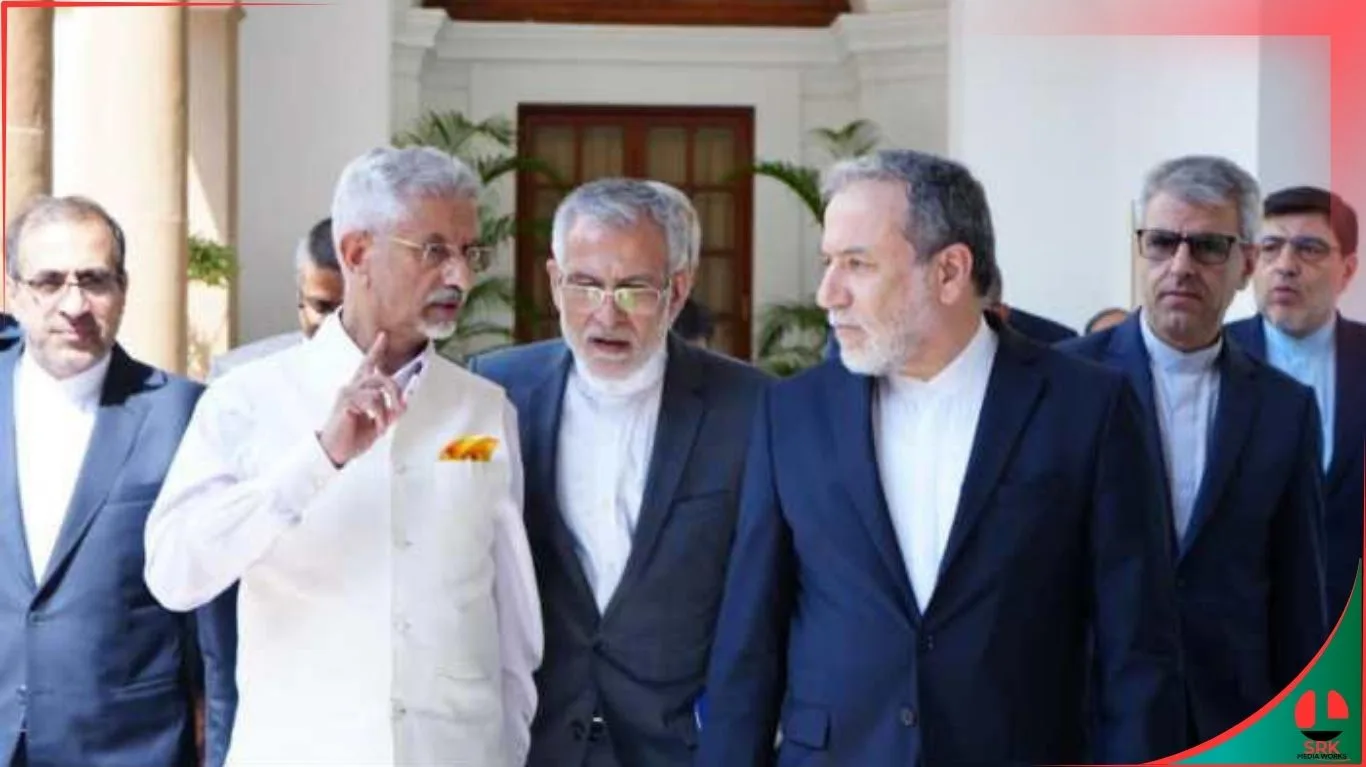
India has officially expressed its deep concern over the escalating tensions in Iran and the wider Gulf region, marking its first formal statement since the outbreak of hostilities involving Iran, Israel, and the United States. The Ministry of External Affairs (MEA) urged restraint, dialogue, and protection of civilians, reflecting India’s cautious but firm diplomatic stance.
Background of the Crisis
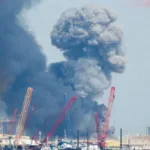
The situation in the Gulf has intensified following missile exchanges and retaliatory strikes between Iran and its regional adversaries. The conflict has raised fears of a broader war that could destabilize the Middle East, disrupt global energy supplies, and endanger millions of expatriates, including nearly nine million Indians living and working in Gulf countries.
India’s Official Position
India’s MEA outlined its stance with three key points:
- Restraint and Diplomacy: All parties must avoid escalation and prioritize dialogue.
- Civilian Safety: Protecting civilians is paramount amid ongoing strikes.
- Respect for Sovereignty: Territorial integrity of states must be upheld.
Advisories for Indian Nationals
Indian embassies across the Gulf region issued urgent advisories:
- Citizens were asked to remain indoors and avoid unnecessary travel.
- Emergency supplies and communication with local authorities were recommended.
- Schools under CBSE in Gulf countries postponed examinations due to safety concerns.
Impact on Energy and Trade
The Gulf region is vital for India’s energy and trade security:
- Oil Imports: Nearly 60% of India’s crude oil comes from Gulf states.
- Strait of Hormuz: Any disruption could spike global oil prices and impact India’s economy.
- Trade Links: India-GCC trade exceeds $150 billion annually, making stability crucial.
Comparative Analysis of Regional Stakeholders
| Stakeholder | Position | Impact on India | Risks |
|---|---|---|---|
| Iran | Retaliating against U.S.-Israel strikes | Energy supply disruption | Escalation of conflict |
| Israel | Military strikes on Iran | Diplomatic balancing act | Regional instability |
| U.S. | Strategic operations in Gulf | Pressure on India’s neutrality | Security risks for expatriates |
| Gulf States | Facing missile threats | Safety of Indian workers | Economic slowdown |
India’s Diplomatic Balancing Act
India has historically maintained strong ties with Iran, Gulf states, Israel, and the U.S. The current crisis tests this delicate balance:
- Strategic Neutrality: India avoids taking sides, focusing on peace and stability.
- Energy Security: Ensuring uninterrupted oil supplies is a top priority.
- Diaspora Protection: Safeguarding millions of Indian workers remains central to policy.
Lessons and Future Outlook
- Preparedness: India must strengthen evacuation and crisis management plans for expatriates.
- Diversification: Reducing dependence on Gulf oil through renewable energy and alternate suppliers.
- Diplomatic Engagement: Proactive mediation could enhance India’s global role.
- Regional Stability: India’s economic and security interests are directly tied to peace in the Gulf.
Conclusion
India’s statement of being “deeply concerned” reflects the seriousness of the unfolding crisis in Iran and the Gulf region. With millions of its citizens at risk and energy security hanging in the balance, India’s call for restraint, diplomacy, and civilian safety underscores its pragmatic approach. The coming weeks will test India’s ability to balance its strategic interests while protecting its people abroad.
Disclaimer
This article is based on publicly available information and aims to highlight India’s official response to developments in Iran and the Gulf region. It does not intend to criticize or demean any individual, country, or organization. The content is for informational and educational purposes only, reflecting broader issues in diplomacy, energy security, and regional stability.