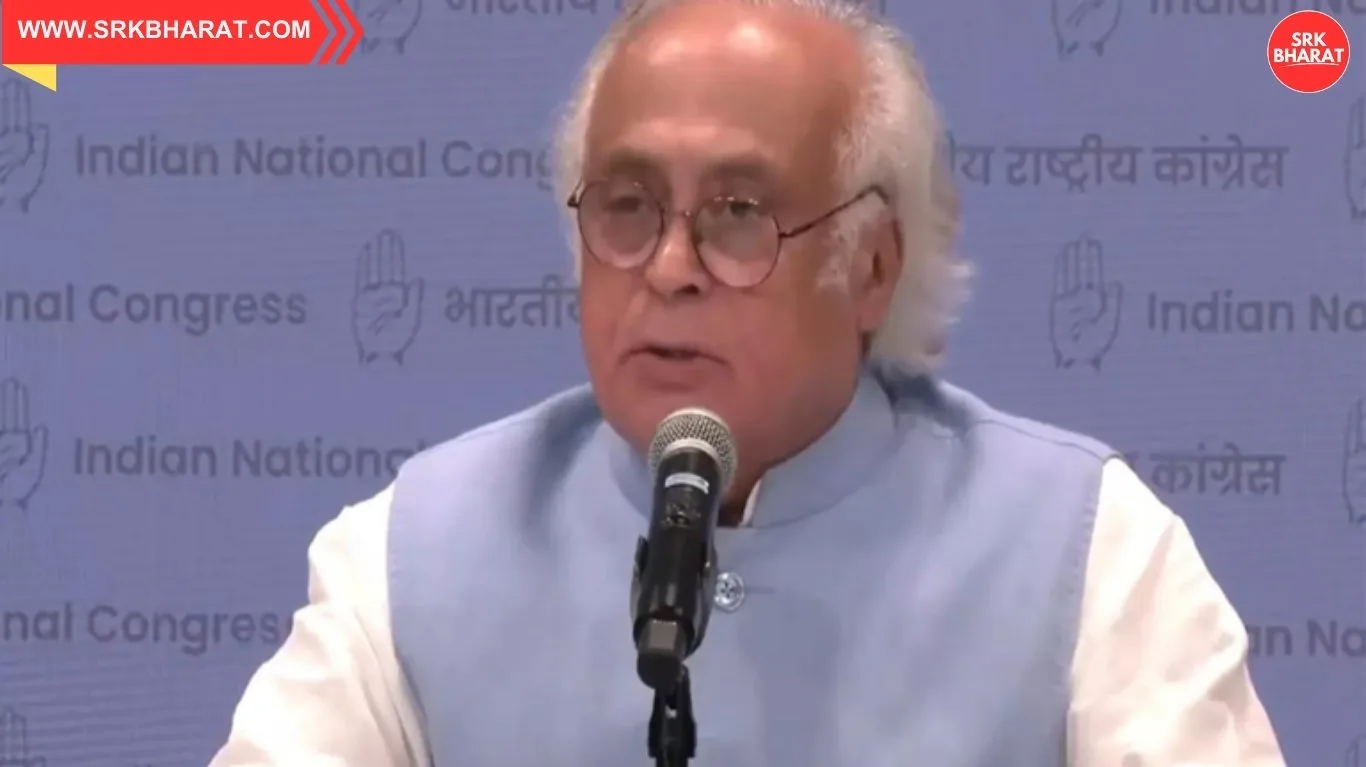
The Congress party has sharply criticized Prime Minister Narendra Modi’s recent interview, calling it a “desperate PR exercise” and alleging that it was scripted to divert public attention from pressing issues such as the India-US trade deal and the ongoing farmers’ protests. The remarks have sparked a fresh round of political debate, with Congress leaders accusing the government of prioritizing image management over addressing real concerns.
Key Highlights
- Congress Allegation: PM Modi’s interview termed “scripted” and “PR-driven.”
- Diversion Claim: Opposition alleges focus shifted away from trade deal and farmers’ issues.
- Political Context: Interview comes amid rising tensions over agricultural demands.
- Public Reaction: Supporters and critics divided over the interview’s intent.
- Strategic Narrative: Congress framing the move as an attempt to control discourse.
Why Congress Called It a PR Exercise
- Timing: Interview coincided with sensitive negotiations on the India-US trade deal.
- Farmers’ Protests: Ongoing agitation demanding policy changes and support.
- Controlled Narrative: Allegations that questions were pre-scripted to avoid tough issues.
- Public Perception: Opposition claims government is focusing on optics rather than solutions.
Comparative Analysis: Political Interviews Criticized as PR
| Leader/Party | Occasion/Event | Criticism Raised | Impact |
|---|---|---|---|
| PM Narendra Modi | Recent Interview | Scripted, PR exercise | Opposition criticism |
| US Presidents | Election Campaigns | Media-managed interviews | Public debate |
| UK Leaders | Brexit Negotiations | Controlled messaging | Opposition pushback |
| Indian Leaders (Past) | Election Season | PR-driven appearances | Mixed public reaction |
This comparison shows how political interviews often face criticism for being scripted or image-focused, especially during sensitive policy debates.
Pivot Analysis: Stakeholder Perspectives
| Stakeholder | Position on Interview | Impact |
|---|---|---|
| Congress Party | Critical | Frames interview as diversion tactic |
| BJP Supporters | Positive | See it as strong leadership communication |
| Farmers’ Groups | Concerned | Fear issues sidelined in public discourse |
| Analysts | Divided | Debate over optics vs substance |
| General Public | Mixed | Some supportive, others skeptical |
The pivot analysis highlights contrasting perspectives, with Congress and farmers’ groups critical, while BJP supporters defend the interview.
Issues Congress Claims Were Diverted
- India-US Trade Deal: Concerns over terms and impact on domestic industries.
- Farmers’ Agitation: Demands for fair pricing, subsidies, and policy reforms.
- Economic Challenges: Inflation and unemployment remain pressing issues.
- Governance Transparency: Opposition questions government’s accountability.
Benefits of Interview for Government
- Controlled Messaging: Opportunity to highlight achievements.
- Public Engagement: Direct communication with citizens.
- Narrative Management: Shapes discourse around leadership.
- Global Positioning: Reinforces India’s image internationally.
Challenges Ahead
- Opposition Narrative: Congress and other parties framing interview as diversion.
- Farmers’ Pressure: Continued protests demanding government action.
- Public Perception: Risk of being seen as prioritizing image over substance.
- Policy Execution: Need to balance communication with tangible outcomes.
Broader Political Context
- Trade Negotiations: India-US deal seen as crucial for economic growth.
- Agricultural Sector: Farmers’ protests highlight deep-rooted concerns.
- Electoral Strategy: Communication plays a key role in shaping voter sentiment.
- Media Role: Interviews often serve as platforms for narrative control.
Conclusion
Congress’s labeling of PM Modi’s interview as a “desperate PR exercise” underscores the ongoing battle over political narratives in India. By alleging that the interview was scripted to divert attention from the India-US trade deal and farmers’ protests, the opposition has sought to frame the government’s communication strategy as image-driven rather than issue-focused. As tensions continue, the debate highlights the delicate balance between political messaging and addressing substantive concerns.
Disclaimer
This article is intended for informational purposes only. It provides an overview of Congress’s criticism of PM Modi’s interview and its implications for political discourse. It does not constitute political advice or endorsement. Readers should rely on official communications and verified updates for accurate information.