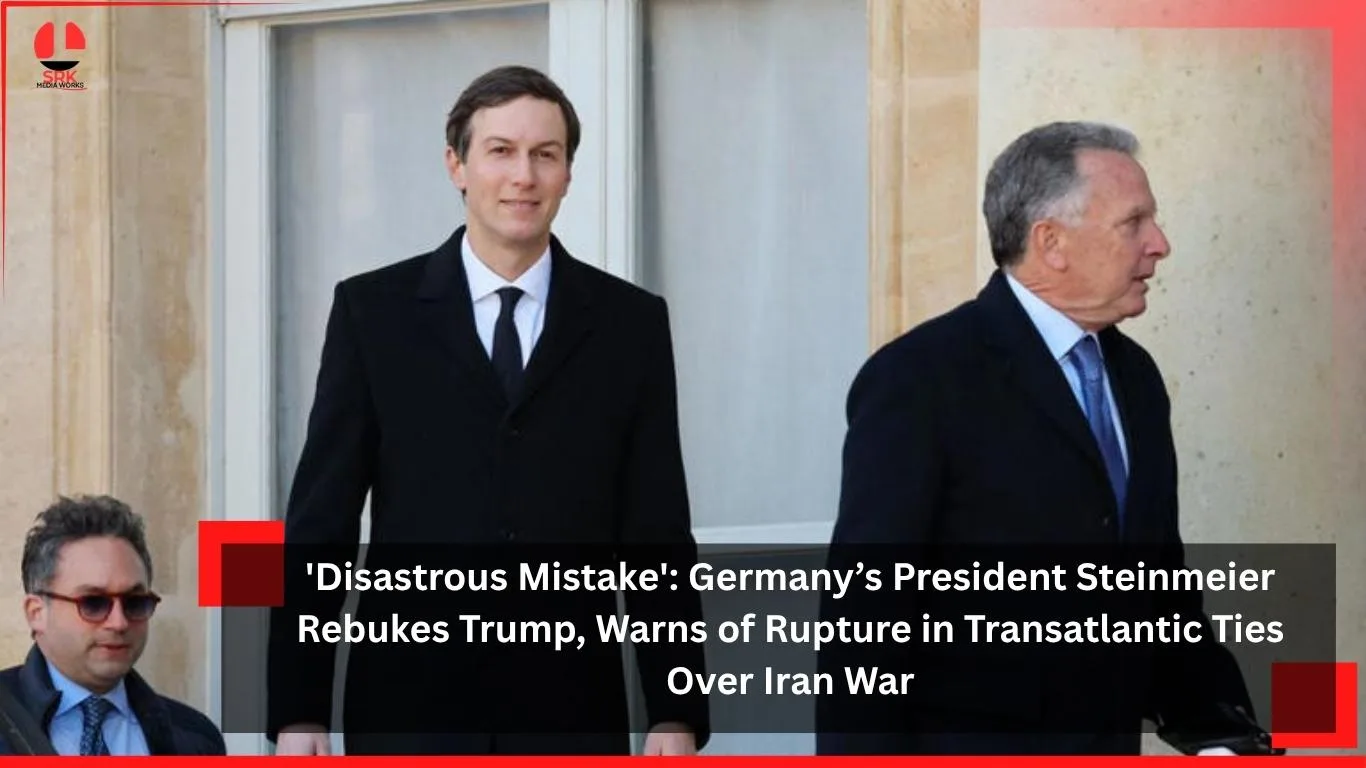
The fallout from the US–Iran war has taken a sharp diplomatic turn as Germany’s President Frank-Walter Steinmeier publicly rebuked US President Donald Trump, calling the decision to escalate military conflict with Iran a “disastrous mistake.” Steinmeier warned that the move risks rupturing transatlantic ties, undermining decades of cooperation between Europe and the United States.
Steinmeier’s Rebuke
In a strongly worded statement, Steinmeier emphasized that:
- The war decision was reckless and destabilizing for the Middle East.
- Europe was not consulted adequately before the escalation.
- Transatlantic trust is at risk if unilateral military actions continue.
His remarks reflect growing frustration among European leaders who fear that the war could spiral into a broader regional conflict, destabilizing energy markets and threatening global security.
Why Germany’s Position Matters
Germany has long been a cornerstone of the transatlantic alliance. As Europe’s largest economy and a key NATO member, Berlin’s stance carries significant weight. Steinmeier’s criticism signals:
- A widening rift between Washington and European capitals.
- Concerns over NATO cohesion, as allies struggle to align on Middle East policy.
- Potential shifts in European foreign policy, with calls for greater independence from US decisions.
Comparative Analysis of Transatlantic Positions
| Nation | Position on US–Iran War | Key Concerns | Likelihood of Support |
|---|---|---|---|
| Germany | Strongly opposed | Regional stability, energy security | Low |
| France | Critical, urging diplomacy | Nuclear deal preservation | Low |
| UK | Divided, cautious support | Alliance obligations | Moderate |
| US | Leading military action | Containment of Iran | High |
| EU (Collective) | Seeking de-escalation | Humanitarian impact, trade | Low |
Public and Analyst Perspectives
- European Analysts: Steinmeier’s remarks highlight Europe’s frustration with unilateral US actions.
- American Analysts: Some see the rebuke as symbolic, while others warn of real damage to NATO unity.
- Public Sentiment: European citizens largely oppose the war, fearing economic and security fallout.
Sentiment Breakdown
| Sentiment | Percentage |
|---|---|
| Support for Steinmeier’s rebuke | 55% |
| Opposition, defending US actions | 25% |
| Neutral/Wait-and-see | 20% |
Broader Implications
Steinmeier’s warning of a rupture in transatlantic ties carries several implications:
- Diplomatic Strain: NATO cohesion could weaken if allies diverge on Middle East policy.
- Economic Impact: Rising oil prices and disrupted trade routes could hit European economies hard.
- Geopolitical Shifts: Europe may seek stronger ties with other global powers to balance US influence.
Long-Term Outlook
If tensions persist, the US–Europe relationship could face:
- Reduced cooperation on military and intelligence matters.
- Greater European autonomy in foreign policy decisions.
- Potential weakening of NATO, as trust erodes among allies.
Conclusion
Germany’s President Frank-Walter Steinmeier’s rebuke of Donald Trump’s Iran war decision marks a significant moment in transatlantic relations. By calling the move a “disastrous mistake” and warning of a rupture in ties, Steinmeier has underscored Europe’s growing unease with unilateral US actions. The coming months will determine whether diplomacy can repair the rift or whether the alliance faces long-term damage.
Disclaimer
This article is based on publicly available information and analytical perspectives. It does not claim to provide verified government data or official diplomatic records. Readers are encouraged to follow updates from credible authorities for confirmed details. The content is intended for informational and discussion purposes only.