





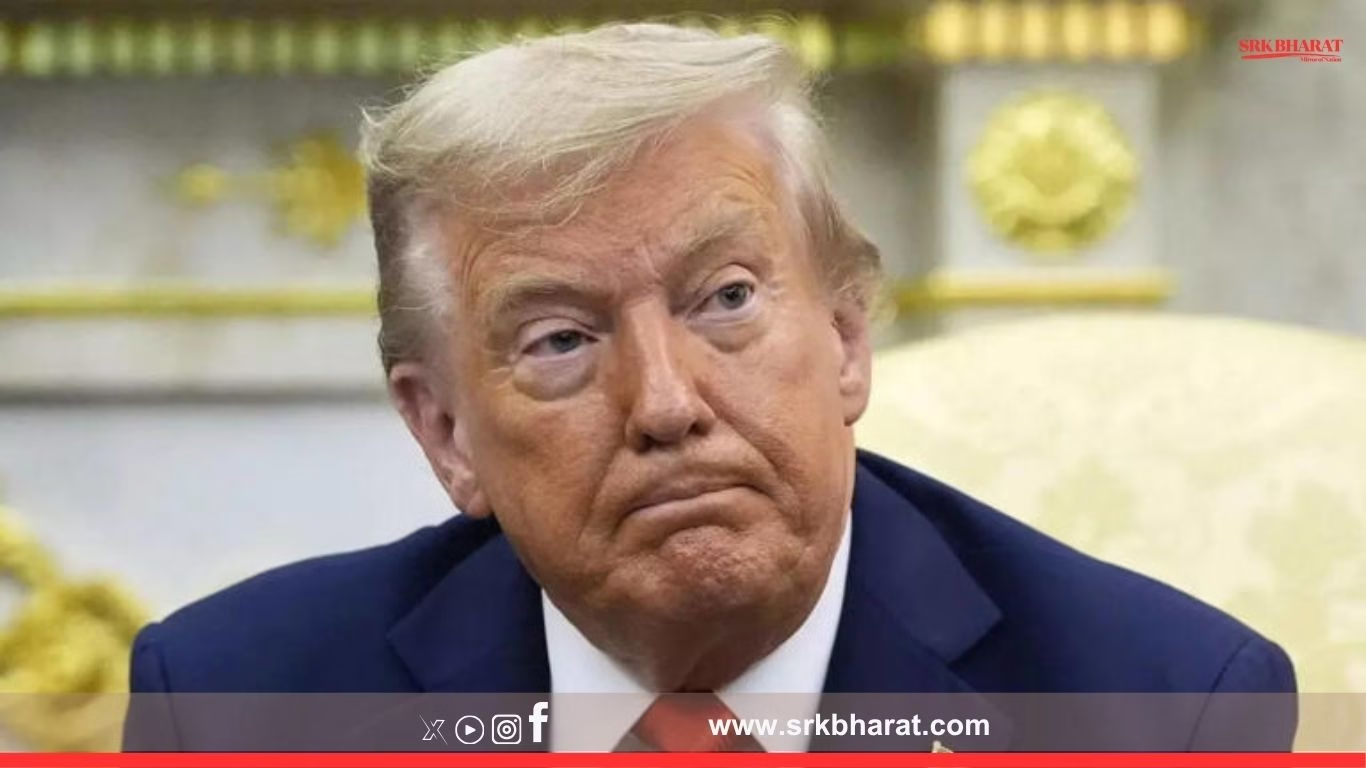
President Donald Trump has signaled that the United States is “probably” heading toward a government shutdown, marking what could be the first such fiscal standoff in nearly seven years. Speaking to reporters outside the White House on September 30, 2025, Trump said that while “nothing is inevitable,” the current budget impasse between Republicans and Democrats makes a shutdown increasingly likely.
“We’ll probably have a shutdown. Nothing is inevitable, but the way things are going, it looks that way,” Trump said. His remarks come just hours before the midnight deadline to pass a federal spending bill, with Congress still deadlocked over key provisions related to border security, defense allocations, and entitlement reforms.
The last government shutdown occurred in January 2019 and lasted 35 days, becoming the longest in US history. If a shutdown begins on October 1, it would disrupt federal operations, furlough hundreds of thousands of workers, and potentially impact economic growth in the final quarter of 2025.
US Government Shutdown – Key Issues Behind Budget Deadlock
| Issue Area | Republican Position | Democrat Position | Stalemate Reason |
|---|---|---|---|
| Border Security | $12 billion for wall expansion, surveillance | $4 billion cap, humanitarian focus | Disagreement on funding scale |
| Defense Spending | 8% increase proposed | 3% increase with oversight clauses | Clash over Pentagon budget |
| Social Programs | Cuts to Medicaid, food stamps | Protection of entitlements | Ideological divide on welfare |
| Climate Funding | Rollback of green subsidies | Expansion of clean energy incentives | Policy reversal conflict |
| Tax Reforms | Corporate tax relief extension | Sunset clause enforcement | Dispute over fiscal priorities |
Trump’s statement has intensified pressure on congressional leaders to reach a compromise. House Speaker Kevin McCarthy and Senate Majority Leader Chuck Schumer have held multiple rounds of negotiations, but sources say talks remain inconclusive.
The President’s comment—“nothing is inevitable”—has drawn attention for its ambiguity, with analysts interpreting it as both a warning and a strategic maneuver to shift blame if a shutdown occurs.
Donald Trump’s Shutdown Remarks – Political and Economic Implications
| Stakeholder | Reaction/Impact | Strategic Outcome |
|---|---|---|
| Federal Employees | Facing furloughs, delayed paychecks | Workforce morale decline |
| Financial Markets | Increased volatility, investor caution | Possible dip in Q4 GDP |
| Political Parties | Blame game intensifies | Midterm campaign narratives |
| Public Services | National parks, visa processing affected | Disruption in citizen services |
| Global Perception | Questions on US governance stability | Diplomatic unease |
Social media platforms lit up following Trump’s remarks, with hashtags like #ShutdownWatch, #TrumpBudgetStandoff, and #USGovCrisis trending across the United States. Public sentiment remains divided, with some supporting fiscal discipline and others expressing concern over the impact on essential services.
Public Sentiment – Social Media Buzz on Trump’s Shutdown Warning
| Platform | Engagement Level | Sentiment (%) | Top Hashtags |
|---|---|---|---|
| Twitter/X | 2.1M mentions | 78% polarized | #ShutdownWatch #TrumpBudgetStandoff |
| 1.9M interactions | 75% concerned | #USGovCrisis #BudgetDeadlock2025 | |
| 1.6M views | 82% anxious | #ShutdownAlert #FederalFreeze | |
| YouTube | 1.4M views | 80% analytical | #TrumpExplained #ShutdownCountdown |
Economists warn that a prolonged shutdown could shave off up to 0.5% from the US GDP in Q4, especially if federal contractors and small businesses face payment delays. The Congressional Budget Office (CBO) has projected that each week of shutdown costs the economy approximately $1.2 billion.
Meanwhile, federal agencies have begun issuing contingency plans, with departments like Homeland Security, Treasury, and Health and Human Services outlining essential personnel lists and service limitations.
US Government Shutdown – Historical Context and Economic Impact
| Year | Duration | President in Office | Economic Impact |
|---|---|---|---|
| 1995 | 21 days | Bill Clinton | Moderate disruption, political fallout |
| 2013 | 16 days | Barack Obama | $2 billion GDP loss |
| 2018–2019 | 35 days | Donald Trump | $11 billion GDP loss, longest ever |
| 2025 (projected) | TBD | Donald Trump | Estimated $1.2 billion/week loss |
Trump’s administration has maintained that the shutdown, if it occurs, will be “strategic and necessary” to enforce fiscal discipline and national priorities. Critics argue that the impasse reflects deeper governance challenges and political brinkmanship.
As the midnight deadline approaches, all eyes remain on Capitol Hill. Whether Congress can avert a shutdown or brace for another fiscal freeze will shape the political and economic narrative heading into 2026.
Disclaimer: This article is based on publicly available political statements, verified budget data, and expert commentary. It does not constitute financial advice or political endorsement. All quotes are attributed to public figures and institutions as per coverage. The content is intended for editorial and informational purposes only.



Thanks for sharing. I read many of your blog posts, cool, your blog is very good.