



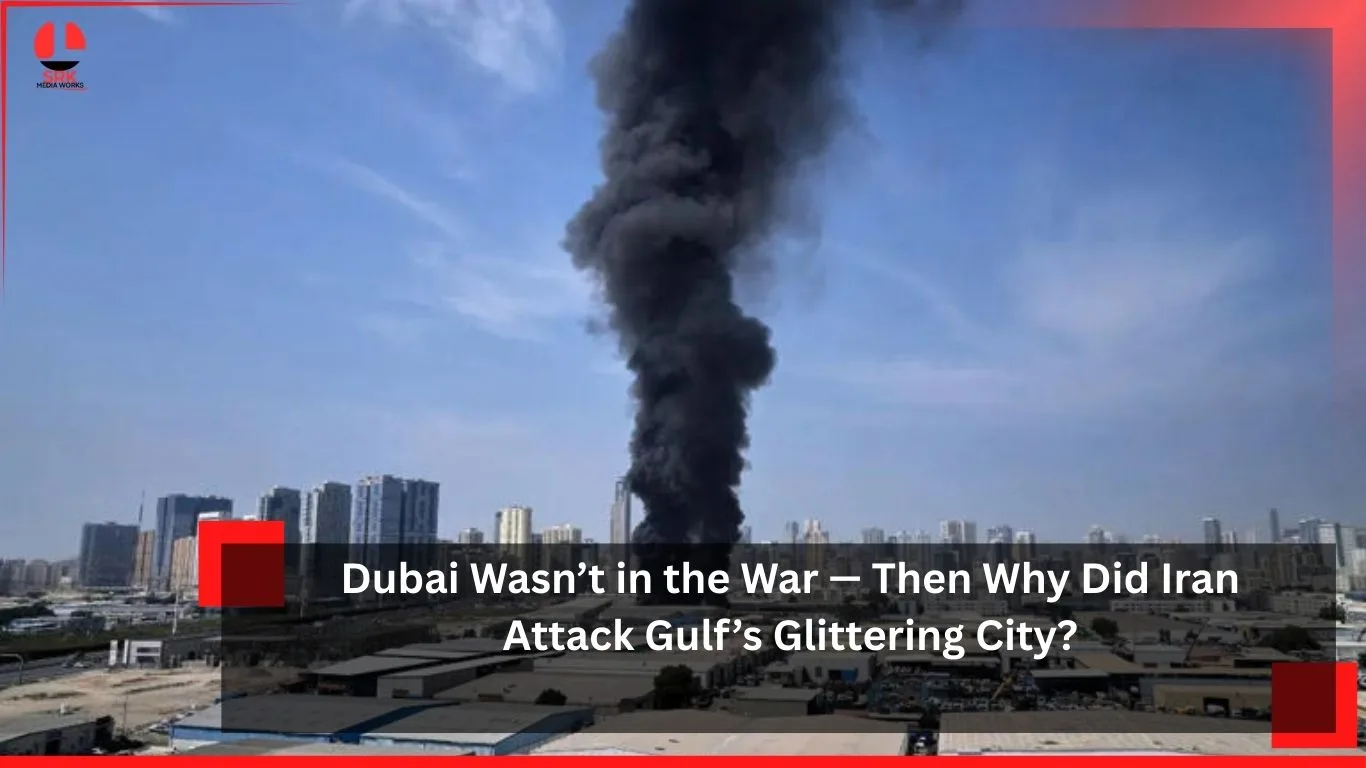
The recent Iranian strikes on Dubai, despite the city not being directly involved in the ongoing Gulf war, have shocked the region and the world. Analysts argue that the attack was not random but a calculated move by Tehran to send a powerful message about its reach, its grievances, and its ability to destabilize even neutral hubs of global commerce.
Why Dubai Was Targeted
- Symbolic Value – Dubai is the Gulf’s most visible symbol of prosperity, globalization, and Western-linked economic power. Striking it undermines confidence in the region’s stability.
- Indirect Retaliation – Iran views the UAE as indirectly aligned with US and Israeli interests, given its military cooperation and hosting of Western bases.
- Psychological Warfare – Targeting Dubai rattles investors, tourists, and expatriates, creating fear that no safe haven exists in the Gulf.
- Regional Pressure – By striking Dubai, Iran pressures Gulf states to reconsider their tacit support for Western military operations.
Comparative Analysis of Iran’s Target Choices
| Target Location | Strategic Importance | Iran’s Objective | Impact |
|---|---|---|---|
| Dubai (UAE) | Global trade hub, tourism, finance | Symbolic strike to rattle global confidence | Civilian panic, economic disruption |
| Abu Dhabi (UAE) | Political capital, oil facilities | Pressure UAE leadership | Industrial fires, diplomatic tension |
| Saudi Arabia | Regional rival, oil exporter | Undermine energy security | Heightened military alert |
| Israel | Direct adversary | Retaliation for strikes | Escalation of conflict |
| Kuwait, Oman, Bahrain | Smaller Gulf states | Spread instability | Regional insecurity |
Analytical Perspective
Iran’s attack on Dubai reflects a shift from military targets to economic and symbolic ones. By striking the Gulf’s glittering city, Tehran sought to demonstrate that Western allies and neutral states alike cannot escape the consequences of war. This strategy amplifies the psychological impact of the conflict, shaking investor confidence and raising questions about the future of Dubai as a global hub.
Public and Political Reactions
- UAE Government: Condemned the attack, calling it unjustified and destabilizing.
- Global Investors: Expressed concern about Dubai’s safety as a financial hub.
- Citizens: Panic spread after drone interceptions and visible smoke near Dubai International Airport.
- International Analysts: Warned that targeting Dubai could escalate the conflict into a wider regional war.
Broader Implications
- Economic Fallout: Tourism, aviation, and trade in Dubai face disruptions.
- Regional Security: Gulf states may increase defense cooperation with the US and Israel.
- Global Confidence: Investors may reconsider Dubai’s role as a safe haven.
- Diplomatic Strain: UAE’s neutrality is challenged, forcing it to reassess its position in the conflict.
Conclusion
Iran’s decision to attack Dubai, despite the city not being part of the war, was a calculated move to destabilize the Gulf’s most prominent symbol of prosperity and global integration. By striking at the heart of the region’s economic hub, Tehran sought to amplify the psychological and geopolitical impact of its retaliation, signaling that no corner of the Gulf can remain untouched in the escalating conflict.
Disclaimer
This article is a journalistic analysis based on publicly available information and expert commentary. It is intended for informational purposes only and does not represent endorsement of any government or policy. Readers should interpret the content as part of ongoing geopolitical discourse rather than a definitive judgment.