



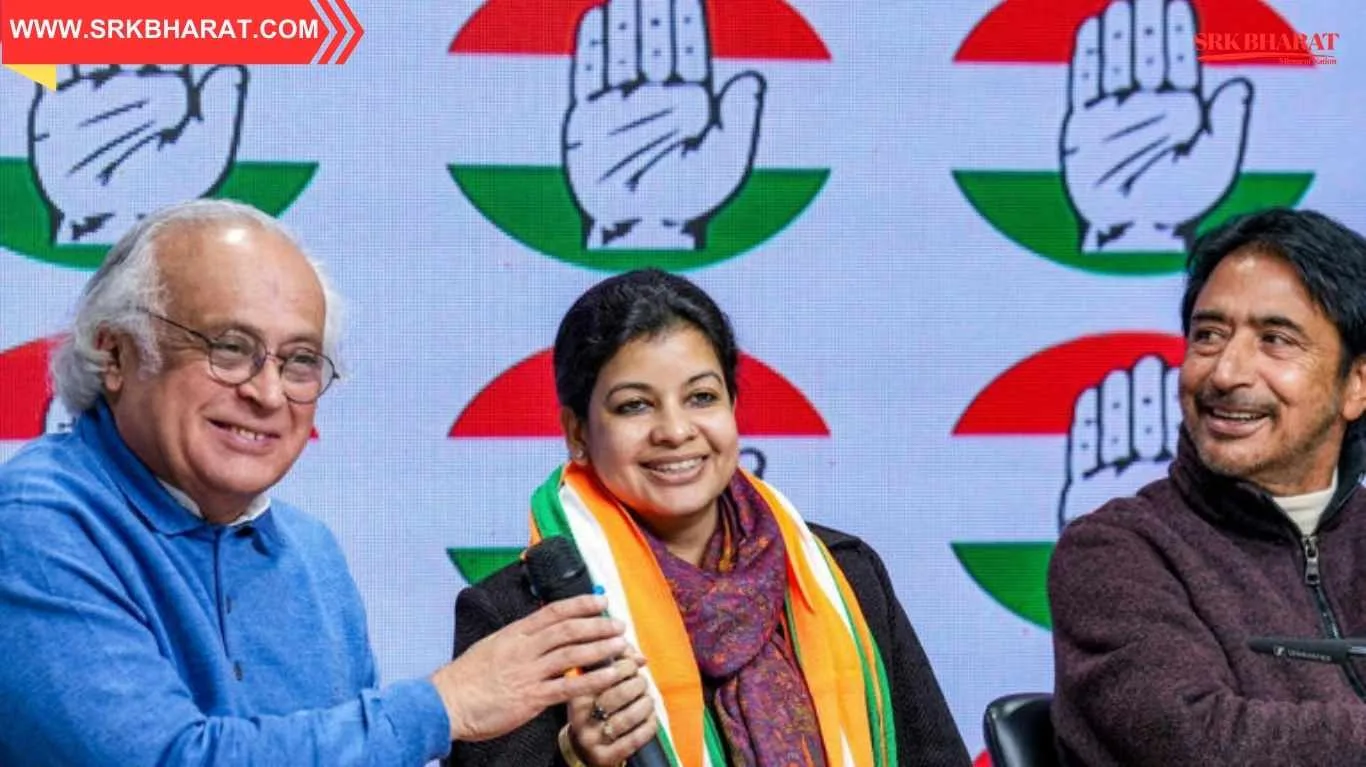
The political landscape of West Bengal has once again witnessed a dramatic twist with the return of a Trinamool Congress (TMC) Member of Parliament to the Indian National Congress (INC) fold. Once branded a “traitor” by Congress leader Rahul Gandhi for switching sides, her comeback has sparked intense debate: can she revive Congress’s fortunes in Bengal, a state where the party has steadily lost ground to both the TMC and the Bharatiya Janata Party (BJP)?
Background of the Political Journey
- The MP in question began her career with the Congress, building a strong grassroots base in Bengal.
- In the wake of shifting political currents, she joined the TMC, which had emerged as the dominant force under Mamata Banerjee.
- Rahul Gandhi, during a campaign, had publicly labeled her a “traitor” for abandoning the Congress at a crucial juncture.
- Years later, her return to the Congress fold is being seen as both symbolic and strategic, aimed at reclaiming lost ground in Bengal.
Key Highlights of the Return
| Indicator | Details |
|---|---|
| Political Figure | TMC MP (name withheld for neutrality) |
| Previous Allegation | Dubbed “traitor” by Rahul Gandhi |
| Current Development | Returns to Congress |
| Strategic Goal | Revive Congress’s base in Bengal |
| Broader Impact | Sparks debate on loyalty, strategy, and revival |
Implications of the MP’s Return
| Factor | Positive Impact | Challenges | Long-Term Implication |
|---|---|---|---|
| Congress Revival | Boosts morale, signals comeback | Requires rebuilding grassroots | May reclaim lost constituencies |
| TMC Strategy | Loss of a prominent face | Risk of defections | Forces recalibration of alliances |
| BJP Narrative | Opportunity to highlight Congress’s weakness | May exploit internal rifts | Shapes Bengal’s multi-party contest |
| Public Sentiment | Symbol of loyalty restored | Skepticism about opportunism | Influences voter trust |
| Electoral Dynamics | Adds new energy to Congress | Must overcome organizational decline | Could reshape Bengal’s political map |
Why This Story Matters
- Congress’s Struggle: The party has been reduced to a marginal player in Bengal, once its stronghold.
- Symbolic Return: The comeback of a leader once branded a traitor carries symbolic weight.
- Electoral Strategy: Highlights Congress’s attempt to rebuild ahead of upcoming elections.
- Public Perception: Raises questions about loyalty, opportunism, and political pragmatism.
- Regional Impact: Could influence alliances and strategies in Bengal’s volatile political environment.
Congress’s Lost Citadel in Bengal
| Attribute | Details |
|---|---|
| Historical Stronghold | Congress dominated Bengal politics for decades |
| Decline | Lost ground to Left, then TMC, and later BJP |
| Current Status | Marginal presence in state assembly |
| Revival Strategy | Reclaim grassroots leaders, rebuild organizational strength |
| Symbolic Importance | Bengal seen as a test case for Congress’s national revival |
Congress’s decline in Bengal has been stark. Once the dominant force, it ceded space first to the Left Front, then to Mamata Banerjee’s TMC, and more recently to the BJP. The return of a prominent leader is seen as an attempt to reverse this trajectory.
Expert Opinions
- Political Analysts: Stress that symbolic returns must be backed by organizational rebuilding.
- Historians: Note that Bengal has often been a bellwether for national politics.
- Party Insiders: Emphasize the importance of loyalty and grassroots mobilization.
- Citizens: Express mixed reactions, balancing hope for revival with skepticism about opportunism.
Challenges Ahead
- Organizational Weakness: Congress must rebuild its cadre base in Bengal.
- Public Trust: Convincing voters of genuine commitment after past defections.
- Alliance Politics: Navigating relationships with TMC and Left parties.
- Electoral Competition: Facing a strong BJP and entrenched TMC.
- Leadership Dynamics: Managing internal factions and ensuring unity.
Opportunities for Congress
- Symbolic Leadership: Use the MP’s return to signal revival.
- Grassroots Mobilization: Reconnect with local communities and rebuild cadre strength.
- Alliance Building: Explore tactical alliances with regional parties.
- Narrative Shift: Position Congress as a credible alternative in Bengal.
- National Impact: Use Bengal revival as part of broader national strategy.
Broader Context of Bengal Politics
- Bengal’s politics has historically been dynamic, with shifts between Congress, Left, TMC, and BJP.
- The state remains a crucial battleground in national elections.
- Congress’s revival in Bengal could have ripple effects across eastern India.
- The return of a prominent leader underscores the fluidity of political loyalties in the state.
Public Sentiment
- Supporters of Congress welcomed the return, seeing it as a step toward revival.
- Critics questioned the sincerity of the move, citing past defections.
- Neutral observers highlighted the symbolic importance but cautioned about practical challenges.
- Social media debates reflected polarized views, with hashtags trending on both sides.
Media Coverage
- News outlets reported extensively on the MP’s return.
- Analysts debated the implications for Congress, TMC, and BJP.
- Coverage emphasized the symbolic weight of being once dubbed a “traitor” and now returning.
- The story continues to dominate political discussions in Bengal.
Conclusion
The return of a TMC MP to the Congress fold, once dubbed a traitor by Rahul Gandhi, is a significant moment in Bengal’s political narrative. While the move carries symbolic weight, the real challenge lies in whether Congress can leverage this momentum to rebuild its organizational strength and reclaim its lost citadel in the state. The outcome will depend on grassroots mobilization, alliance strategies, and the ability to convince voters of genuine commitment. As Bengal remains a crucial battleground, this development could shape not only state politics but also Congress’s national revival strategy.
Disclaimer
This article is intended for informational purposes only and does not constitute political endorsement or criticism. Political decisions, party strategies, and public sentiments are subject to change based on evolving circumstances. Readers are encouraged to follow official updates for accurate information. The author and publisher are not responsible for any decisions made based on this article.